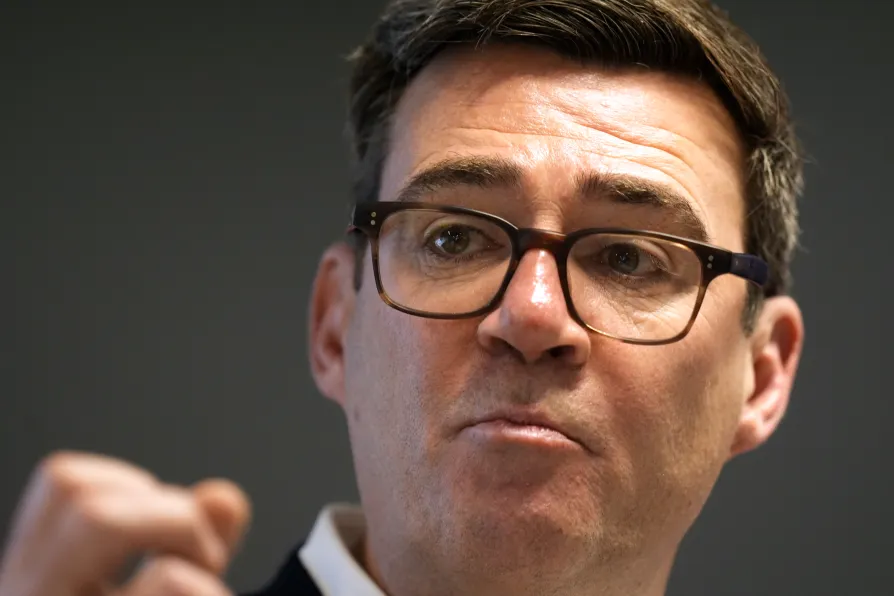
All the evidence shows voters want Labour to shift to the left — but initial signs from Andy Burnham are worrying on that front, cautions DIANE ABBOTT


 Latest editorial
Privatisation is not the answer
We need a proper strategy to revitalise our public services – expecting privateers to rush to the rescue is no answer to the problems in the NHS and elsewhere, warns DIANE ABBOTT MP
 TALLY SELF-RIGHTEOUS: Keir Starmer and shadow health secretary Wes Streeting, meet nursing staff and Labour’s candidate for the East Midlands Mayor Claire Ward (left) current chair of the Sherwood Forest Hospitals NHS Trust, during a visit to Kings Mill Hospital Sutton-in-Ashfield, in the East Midlands on April 8 2024
ANDY McDONALD MP says Labour must show it is capable of delivering real improvements in people’s lives — bold action is required
ANGUS REID and ANDREW JOHNSTONE report on an initiative that we must take this summer
ALLISON FEWTRELL on what Plaid Cymru's historic election victory means for the communities being failed by Wales’s housing crisis, and four things the new government can do right now
France Insoumise MP JEROME LEGAVRE speaks to Christophe Domec on building the Europe-wide peace movement that came together in the International Conference Against War last weekend
At last weekend’s International Conference Against War, LINDA PENTZ GUNTER talks to the Palestinian physician and politician about the struggles ahead to achieve a truly free Palestine




PUBLIC services in this country are in crisis, which is now widely acknowledged even by those in government. Fixing that crisis is imperative for the livelihoods of millions of people in this country, and the wellbeing of almost all of us. A failure to do so will have drastic social and political consequences.
The problems of public services are so profound that they are even acknowledged by the Tories. The Prime Minister Rishi Sunak recently apologised for his failure to correct the problems his party has created in the NHS.
Yet the depth of that crisis is not fully understood among those who accept the essential truth of the point. As a result, the onus is on politicians and political parties to say how they will tackle it.
Similar stories
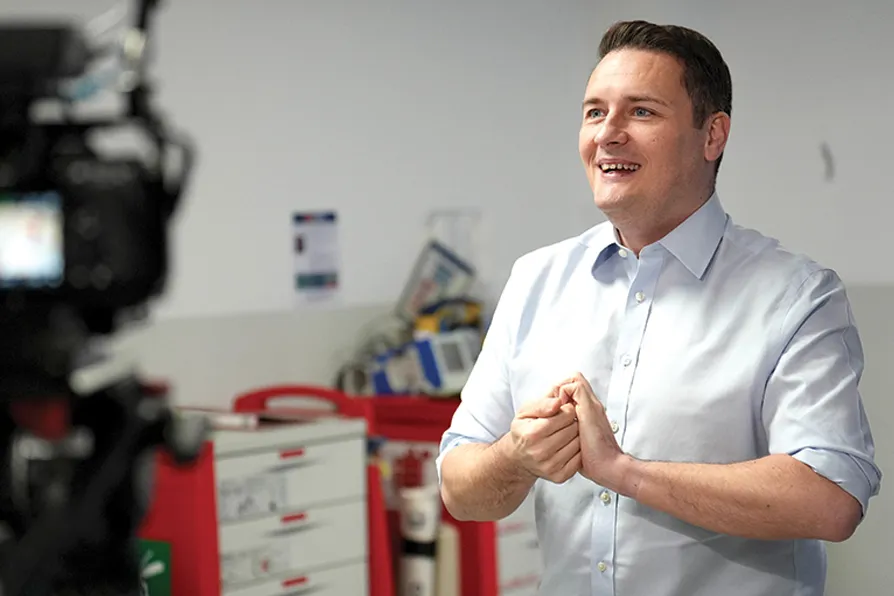
In the second part of her critique of Wes Streeting’s TenYear Plan for Health, HELEN MERCER looks at the central planks of this privatisation blueprint

If the government really wanted to address public finances, improve living standards and begin economic recovery, it would increase its borrowing for investment, argues MICHAEL BURKE

DIANE ABBOTT explodes the anti-migrant myths perpetrated by cynical politicians and an irresponsible mass media

The BBC and OBR claim that failing to cut disability benefits could ‘destabilise the economy’ while ignoring the spendthrift approach to tens of billions on military spending that really spirals out of control, argues DIANE ABBOTT MP