To rescue Kahlo from the clutches of the corporate art market, we need to acknowledge the overt and covert political dimensions of the work, demands GAVIN O’TOOLE


 Latest editorial
A night not to be forgotten in a hurry
MICHAL BONCZA reviews Cairokee gig at the London Barbican
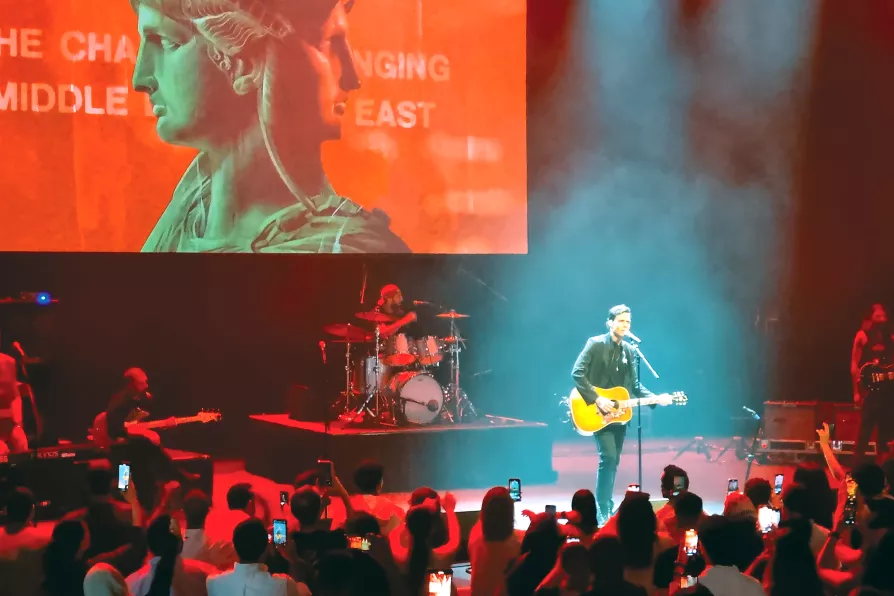 Cairokee play Telk Qadeya (That is a Cause)
[M Boncza]
Cairokee play Telk Qadeya (That is a Cause)
[M Boncza]
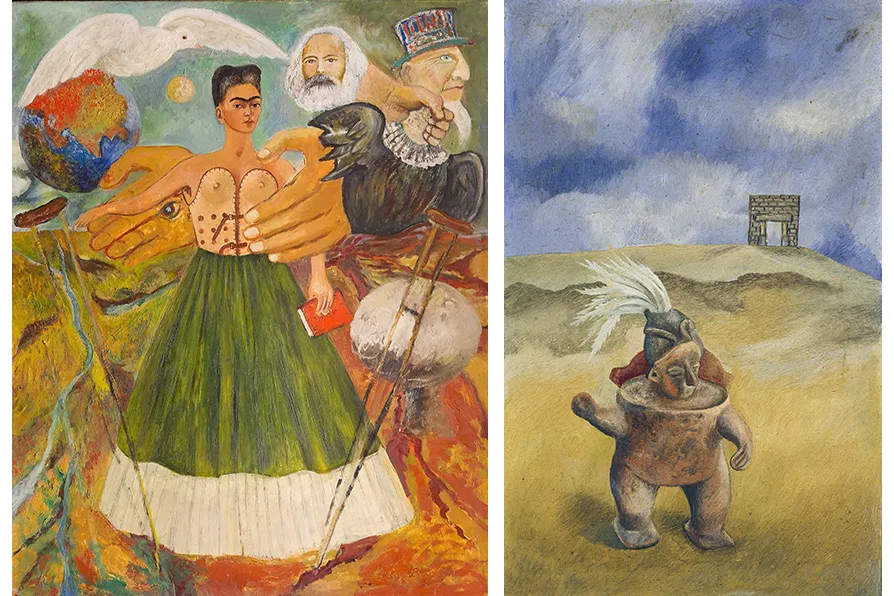
If you can see past the relentless commodification you will be rewarded by enormously powerful work, suggests JENNY MITCHELL
CHRIS SEARLE revels in the one-off collaboration between an American polymath and a British Muslim, and detects the presence of their revolutionary forebear
GORDON PARSONS revels in an ebullient production of Shakespeare’s magical comedy
BRENT CUTLER welcomes a thoughtful analysis of the Erdogan regime, viewed through the evolving history of a neighbourhood in Istanbul
GORDON PARSONS regrets the price, but is dazzled by an outstandingly ambitious study of the way art restoration in particular, and culture in general was weaponised by the Nazis





Cairokee
Barbican, London
IN the darkened hall the logo of Cairokee, a rotating head of a lion, appears on the screen accompanied by a roar of sound. Could it be Maahes the ancient Egyptian lion-headed god of war and son of the creator god Ptah? Significantly it means “he who is true beside her,” because that is exactly what Cairokee do in the Arab world and its worldwide diaspora. They are a beacon, a lighthouse in stormy seas.
Within seconds of reaching for their instruments, the audience is all standing and cheering in a roar at the top of their voices. Cairokee blast the hall and all in it with a sound that overtly is pure rock. But listen carefully and the idiom is intricately embroidered with Levantine patterns permeating the melodies, the singing and the rhythm. In one instance a keyboard-generated accordion echoes chanson.
The vocal harmonies between Amir Eid, Tamer Hashem and Sherif Mostafa transmit the songs directly to the audience’s souls.

Similar stories
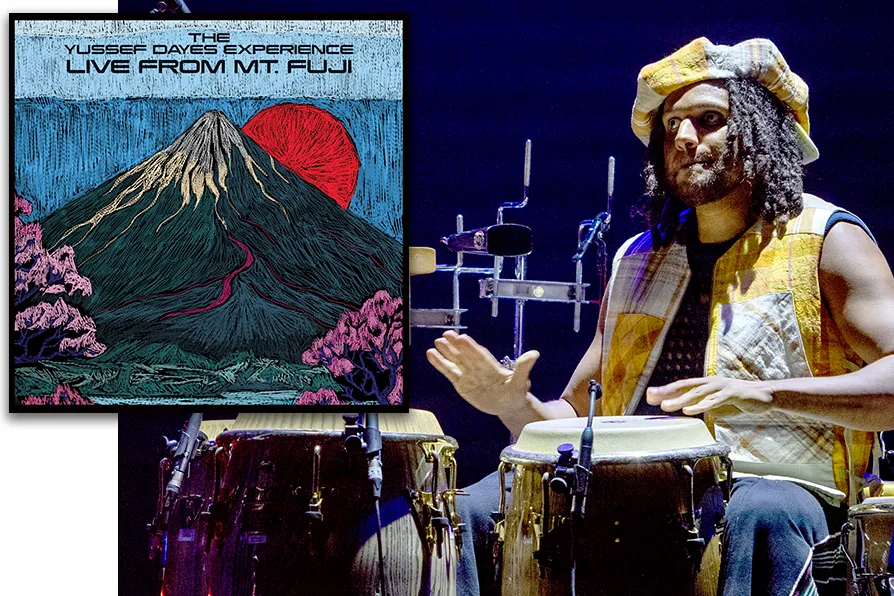
PETER MASON thrills to the sound of south London-born Yussef Dayes, and the galaxy of musicians drawn into his orbit
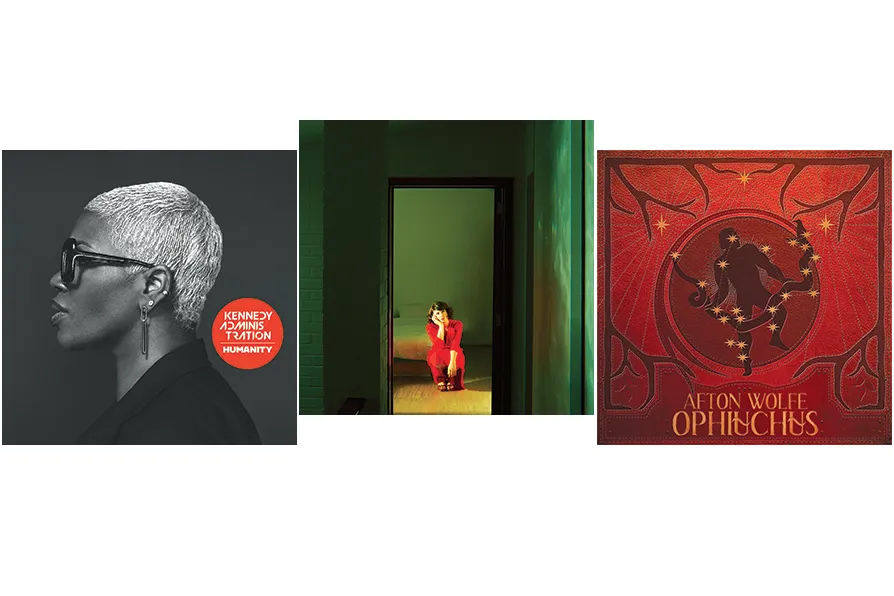
New releases from Kennedy Administration, Melanie Pain, and Afton Wolfe
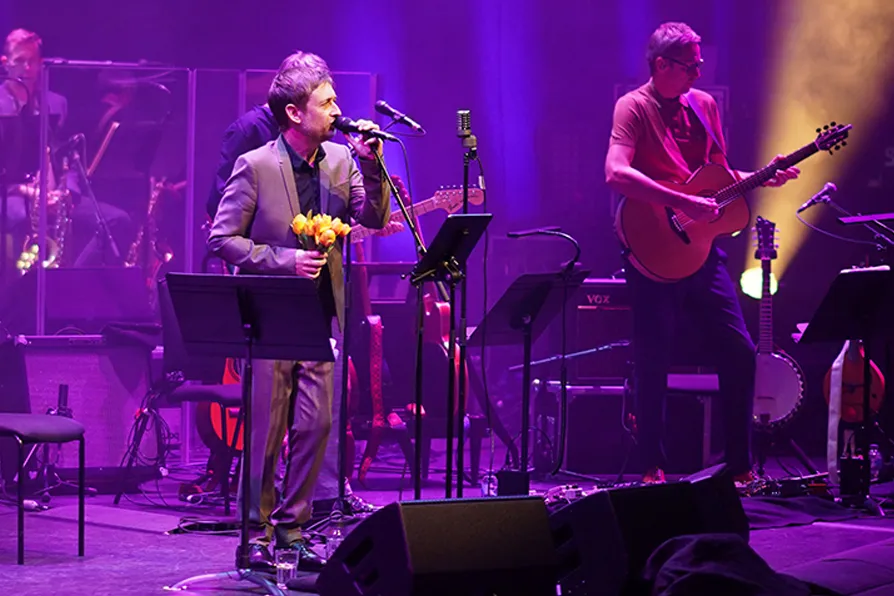
WILL STONE is impressed by a tour de force rendition of three decades’ worth of orchestral chamber pop
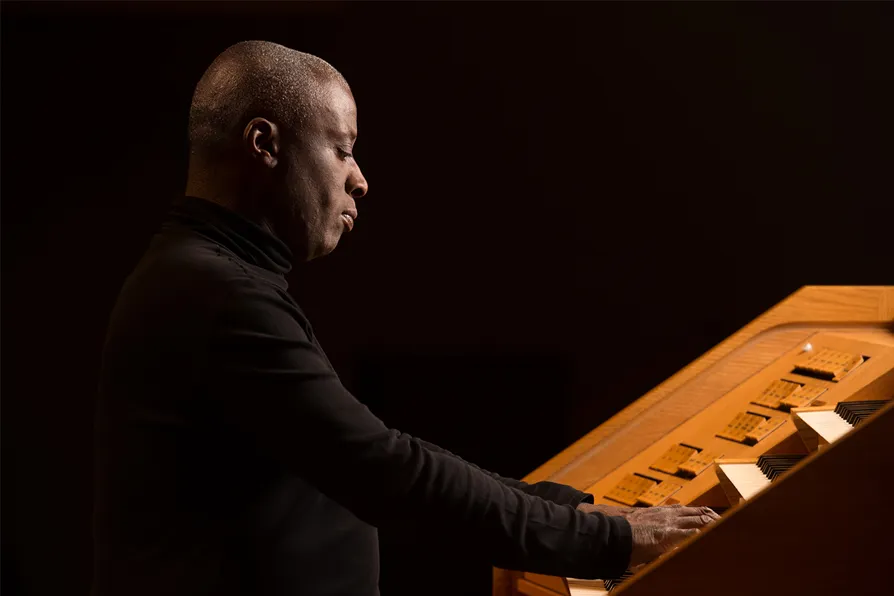
This is a concert of ambition and courage by organist and improviser Wayne Marshall, says SIMON DUFF