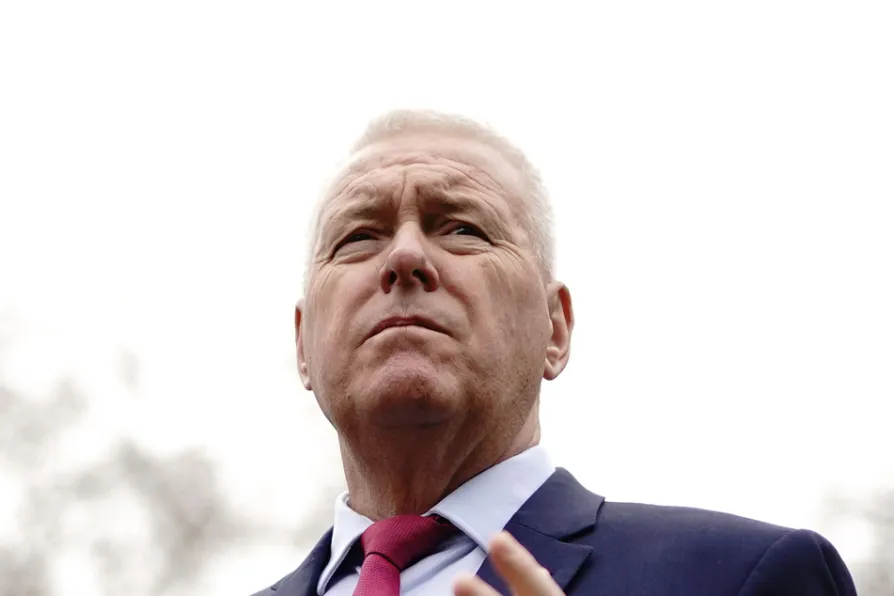
IAN LAVERY MP says an immediate focus on raising wages and reducing costs must be part of a strategy to show Labour can deliver for workers again


On the march for Orgreave justice
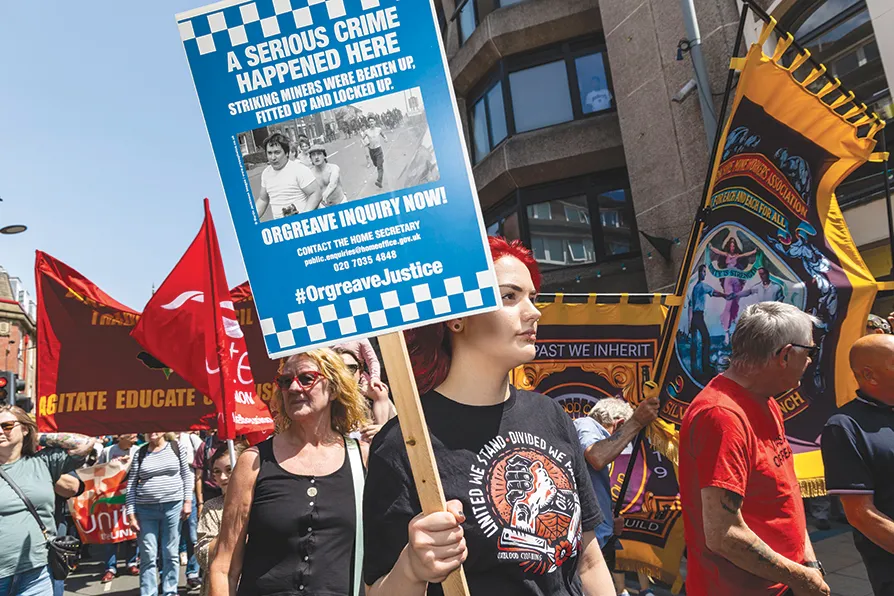
The police attack on striking miners at will be once again marked as a day of infamy at the annual march and rally of the Orgreave Truth and Justice Campaign in Sheffield next Saturday, writes Morning Star northern reporter PETER LAZENBY
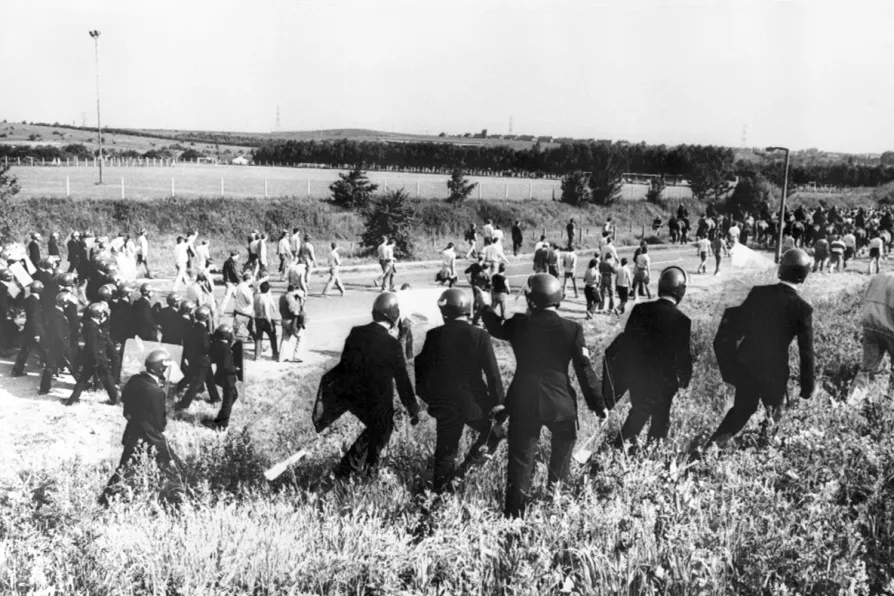
 Police in anti-riot gear escorting picketers away from their position near the Orgreave Coking Plant near Rotherham, June 18, 1984
Friedrich Merz’s call for a new Plaza Accord ignores how Washington’s 1985 currency ambush destroyed Japan without fixing US deficits — China, a sovereign socialist state with 1.4 billion consumers, cannot be bullied the same way, writes CARLOS MARTINEZ
World Peace Council president PALLAB SENGUPTA assesses the challenges facing the international peace movement and sends greetings to the Liberation AGM
KIERA MARSHALL says there is a gulf between the privileged circles in which most politicians move and the lives of working-class youth in left-behind estates – and as a newly elected Senedd member she’s determined to do something about it
ANGUS REID and ANDREW JOHNSTONE report on an initiative that we must take this summer
At last weekend’s International Conference Against War, LINDA PENTZ GUNTER talks to the Palestinian physician and politician about the struggles ahead to achieve a truly free Palestine





THE facts of what happened at Orgreave on June 18 1984 are well known.
Armoured police launched a pre-planned attack on lightly clad striking coalminers at the Orgreave coking plant in South Yorkshire.
The police violence was probably the most brutal in the history of industrial struggle in Britain.
Ninety-five miners were arrested and dozens were subsequently dragged before the courts to face charges based on falsified police evidence. The trials collapsed.

Similar stories
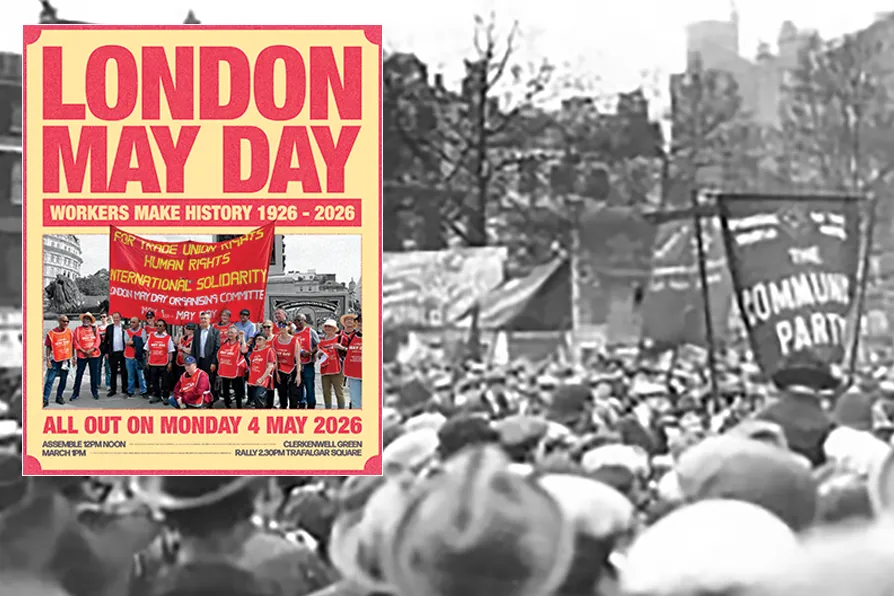
One hundred years after 1.7m workers shut the country down in defence of the miners, the struggles that sparked the 1926 General Strike are still with us – and will be honoured on London’s May Day march this year, writes MARY ADOSSIDES
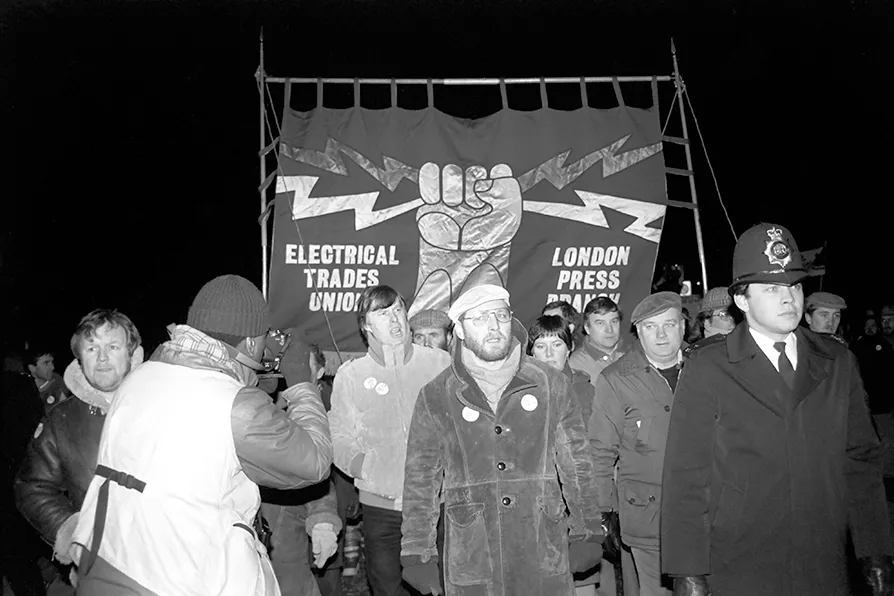
A past confrontation permanently shaped the methods the state will use to protect employers against any claims by their employees, writes MATT WRACK, but unions are readying to face the challenge
KIM JOHNSON MP places the campaign in the context of the history of the working-class battles of the 1980s, and explains why, just like Orgreave and the Shrewsbury Pickets before it, justice today is so important for the struggles of tomorrow
The Home Secretary’s recent letter suggests the Labour government may finally deliver on its nine-year manifesto commitment, writes KATE FLANNERY, but we must move quickly: as recently as 2024 Northumbria police destroyed miners’ strike documents