Charles Windsor challenged to declare full income as he becomes first monarch to release tax payments


 Latest editorial
Hospices ‘in their worst state for 20 years’ as bed numbers for the terminally ill are cut and staff sacked
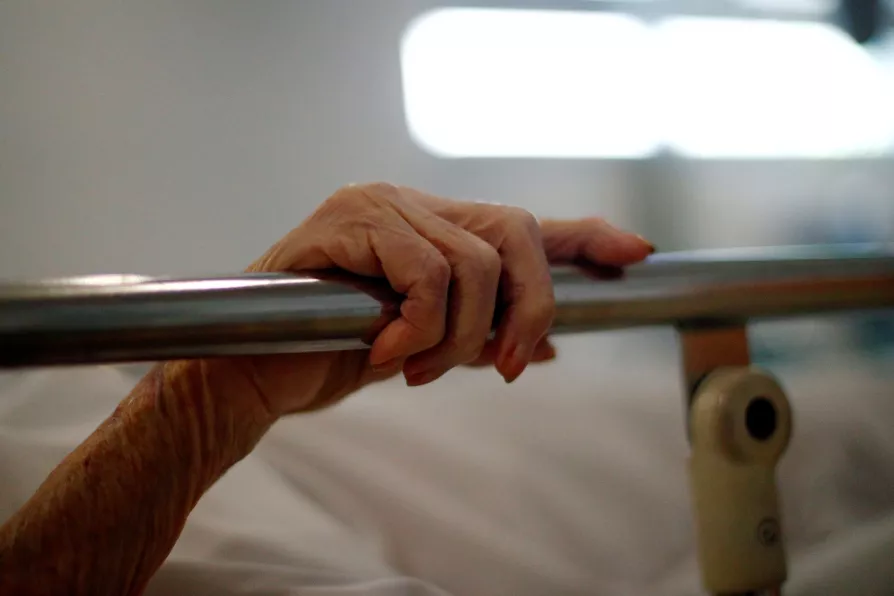 The hand of a patient grips the rail of a hospital bed in the X-ray department at The Royal Blackburn Teaching Hospital in East Lancashire





TERMINALLY ill people have become the latest victims of Tory austerity as hospices for the dying cut bed numbers, sack staff and reduce home services to patients.
Labour has pledged to create a new National Care Service which it says will include hospices.
But the national charity Hospice UK, representing 200 hospices across Britain, says many are now in crisis, that their finances “are in their worst state for 20 years” and are at a “critical point.”

Similar stories
In the second part of her critique of Wes Streeting’s TenYear Plan for Health, HELEN MERCER looks at the central planks of this privatisation blueprint
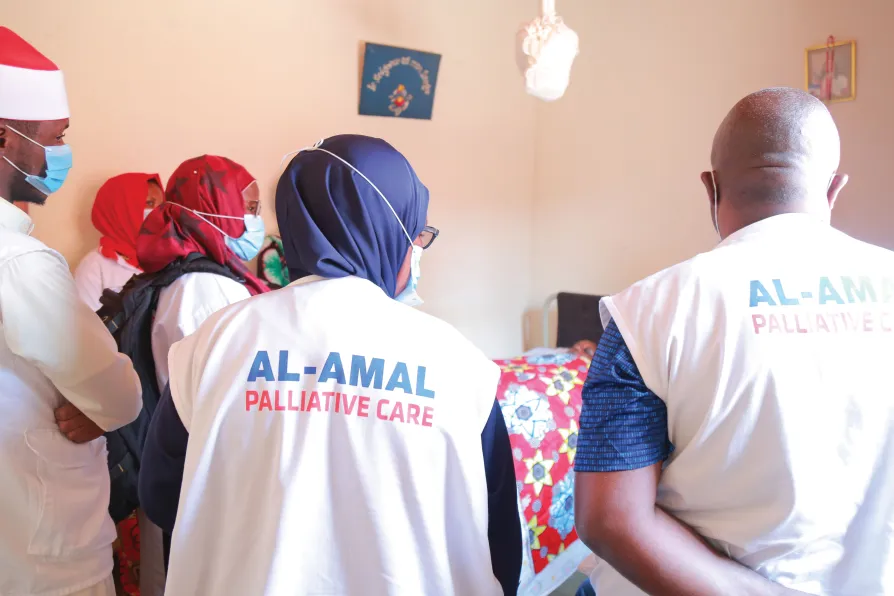
With more people dying each year and many spending their final days in institutions, researchers argue that wider access to palliative care could offer a more humane and cost-effective alternative, write ROX MIDDLETON, LIAM SHAW and MIRIAM GAUNTLETT
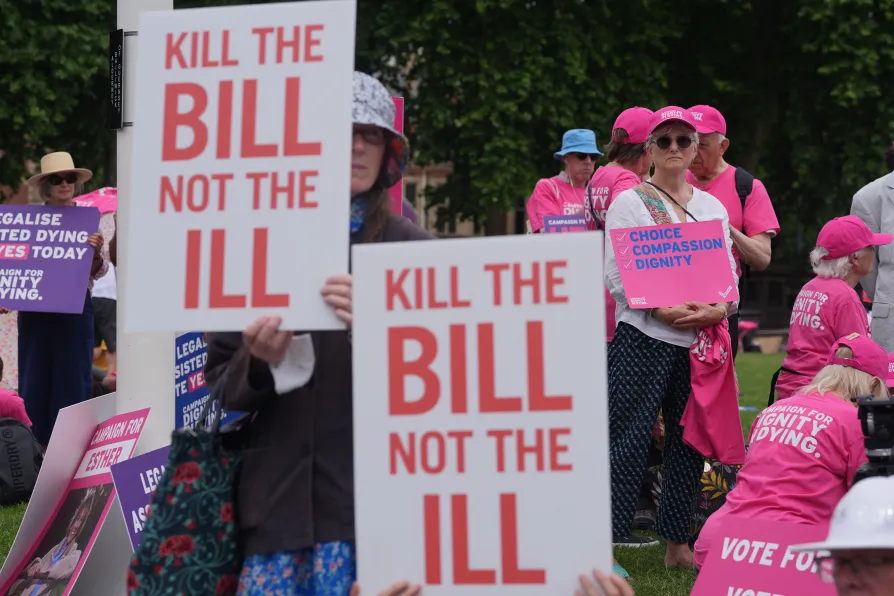
GEOFF BOTTOMS, who has worked in a palliative care hospice for 11 years, argues the postcode lottery for proper end-of-life care must be ended to give the terminally ill choice and agency