All the evidence shows voters want Labour to shift to the left — but initial signs from Andy Burnham are worrying on that front, cautions DIANE ABBOTT


 Latest editorial
Compassion or cost-cutting? The slippery slope of assisted dying
Labour must fight to ensure any new laws do not become tools for social cleansing of the poor and disabled, argues JOHN McINALLY, as some begin considering NHS savings that could come at the cost of working-class lives
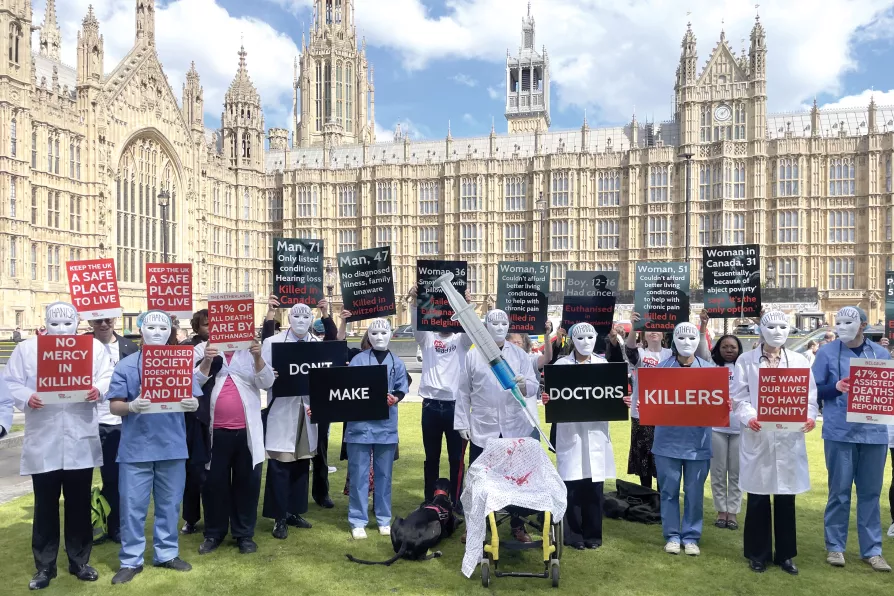 CONSCIENTIOUS OBJECTION: Campaigners against voluntary euthanasia make their point outside Parliament on April 29 2024
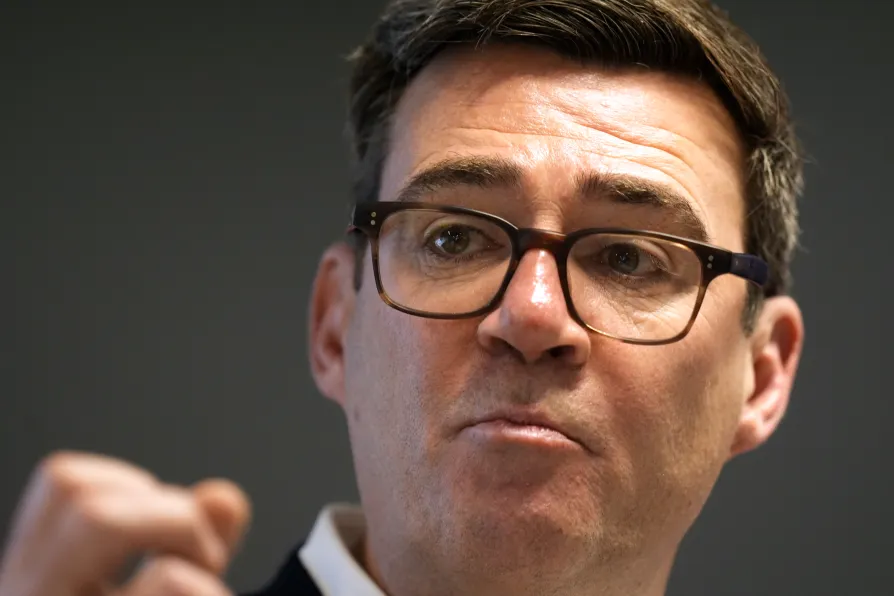
ANDY McDONALD MP says Labour must show it is capable of delivering real improvements in people’s lives — bold action is required
ANGUS REID and ANDREW JOHNSTONE report on an initiative that we must take this summer
ALLISON FEWTRELL on what Plaid Cymru's historic election victory means for the communities being failed by Wales’s housing crisis, and four things the new government can do right now
France Insoumise MP JEROME LEGAVRE speaks to Christophe Domec on building the Europe-wide peace movement that came together in the International Conference Against War last weekend
At last weekend’s International Conference Against War, LINDA PENTZ GUNTER talks to the Palestinian physician and politician about the struggles ahead to achieve a truly free Palestine





AS THE government considers the issue of assisted dying with a view to legislation, the question of who frames the debate, and how, should be of real concern for working-class people and the labour and trade union movement, which cannot afford to be a bystander in the discussion.
The case for legalising assisted dying will be championed by the liberal political class and personalities as a “human right,” a matter of personal autonomy and “choice,” even a social justice issue and a progressive moral principle, elevated above and distinct from other factors, including class interest.
When liberals demand a “human right” it invariably means the moral right of the individual abstracted above that of the collective, with scant regard or consideration of the potential consequences for wider society, and certainly not of the working class.

Similar stories

With more people dying each year and many spending their final days in institutions, researchers argue that wider access to palliative care could offer a more humane and cost-effective alternative, write ROX MIDDLETON, LIAM SHAW and MIRIAM GAUNTLETT
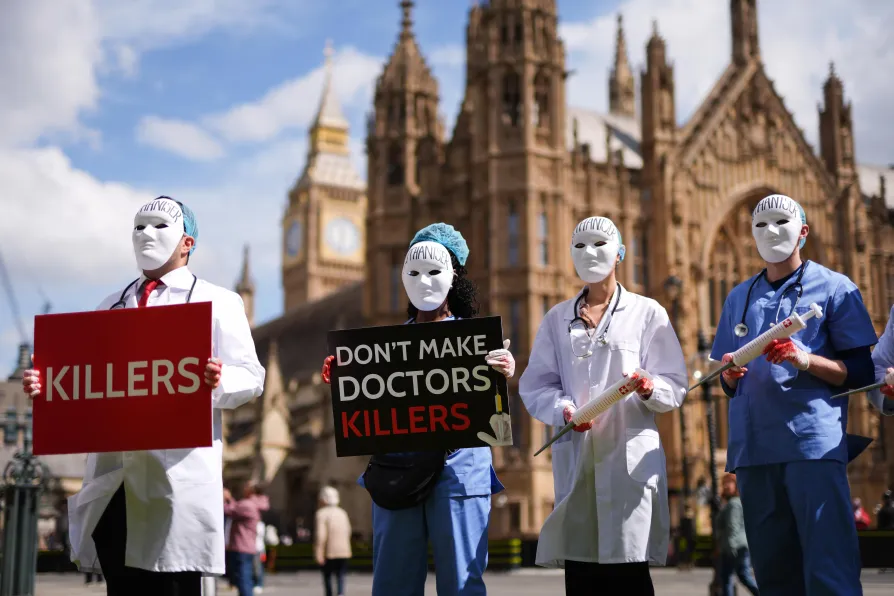
Evidence to peers from medical leaders, patient safety officials and the children’s commissioner has intensified fears that the Bill’s safeguards are inadequate, writes ADAM JAMES POLLOCK

DYLAN MURPHY reports that far from helping people back into work, the sanctions regime is inflicting unnecessary trauma on working-class families
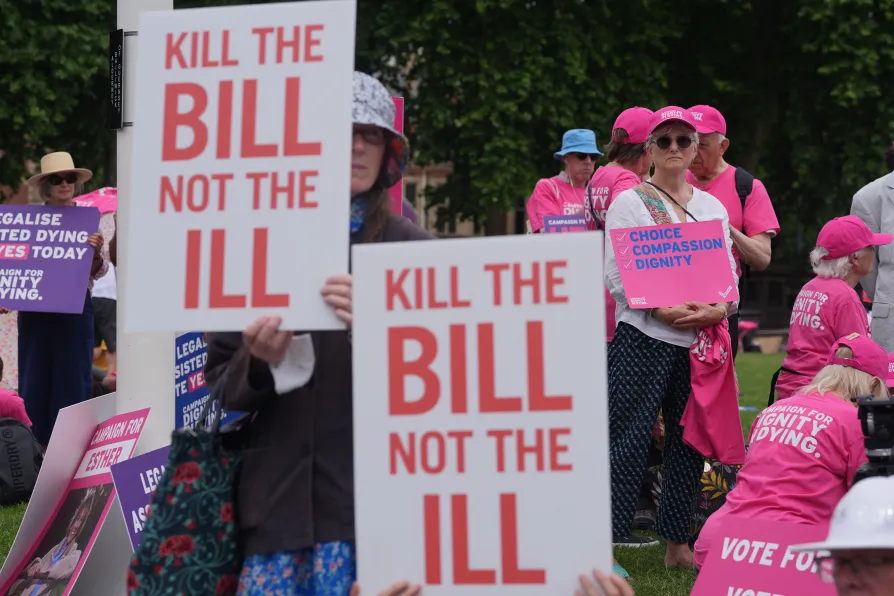
GEOFF BOTTOMS, who has worked in a palliative care hospice for 11 years, argues the postcode lottery for proper end-of-life care must be ended to give the terminally ill choice and agency