All the evidence shows voters want Labour to shift to the left — but initial signs from Andy Burnham are worrying on that front, cautions DIANE ABBOTT


 Latest editorial
Elon Musk v the Swedish working class one year on
From the ports to the postal service, Swedish unions are outmanoeuvring Tesla in solidarity with striking mechanics — speaking to Tony Burke, IF Metall’s MARIE NEILSON explains that collective bargaining remains non-negotiable in Sweden
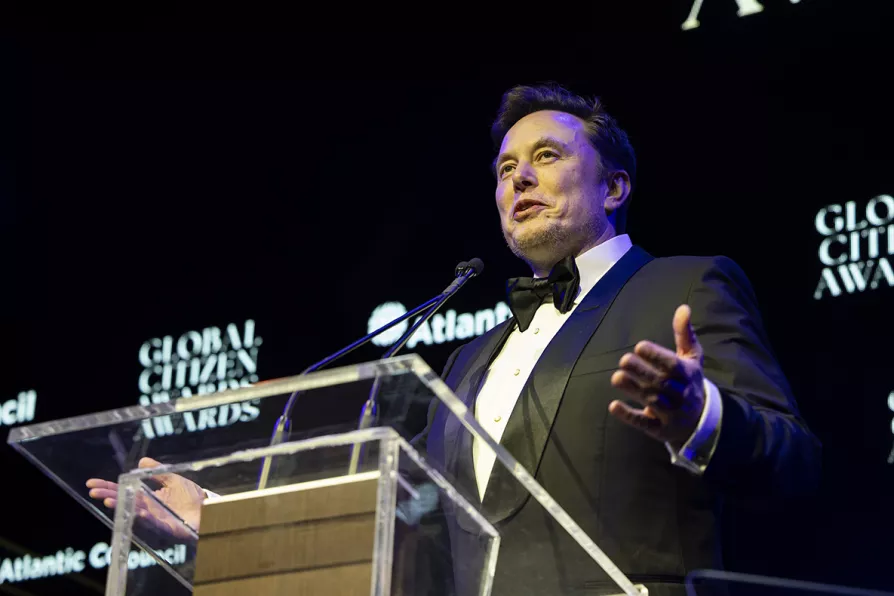 Elon Musk, CEO of Tesla, speaks during the Global Citizen Awards dinner, September 23, 2024, in New York
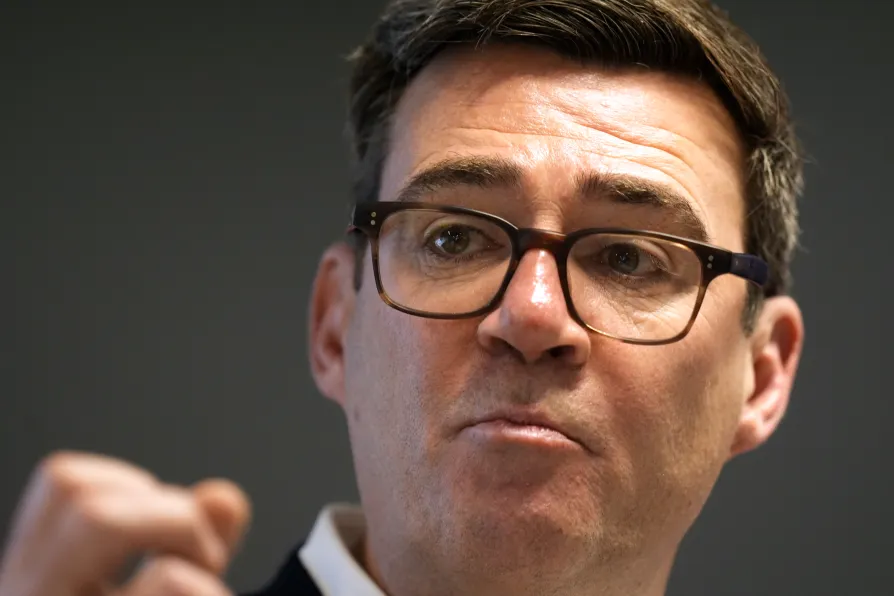
ANDY McDONALD MP says Labour must show it is capable of delivering real improvements in people’s lives — bold action is required
ANGUS REID and ANDREW JOHNSTONE report on an initiative that we must take this summer
ALLISON FEWTRELL on what Plaid Cymru's historic election victory means for the communities being failed by Wales’s housing crisis, and four things the new government can do right now
France Insoumise MP JEROME LEGAVRE speaks to Christophe Domec on building the Europe-wide peace movement that came together in the International Conference Against War last weekend
At last weekend’s International Conference Against War, LINDA PENTZ GUNTER talks to the Palestinian physician and politician about the struggles ahead to achieve a truly free Palestine




ON October 27 last year, mechanics working for Tesla in Sweden walked out on strike after the company refused to agree to a collective bargaining agreement. Sectoral collective bargaining is standard practice in Sweden, but Elon Musk and the company refuse to sit down and reach an agreement.
Marie Neilson is the president of the workers’ union IF Metall and president of the powerful global manufacturing and energy union IndustriALL. Tony Burke interviewed her exclusively for the Morning Star.
Why is it important for IF Metall to have a collective agreement with Tesla?
Our members at Tesla deserve long-term, fair and safe working conditions, just like everyone else in the Swedish labour market. We have been trying to negotiate a collective agreement with Tesla for many years, but they have continued to refuse to negotiate an agreement.
Tesla is a major player in the auto industry, and they should, of course, compete on the same terms as all other companies in Sweden and respect the basic principles of the Swedish labour market. At its core, this is about wages, pensions, and conditions for our members working at Tesla.
Local management will be well aware of the way things work in Sweden. How much influence do you think they have with Musk?
Similar stories
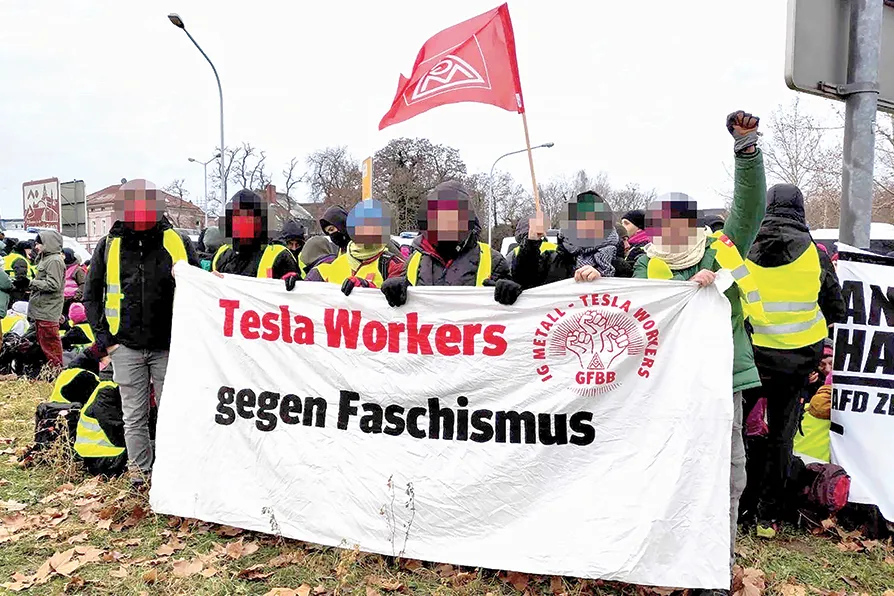
A setback for IG Metall at Tesla’s Berlin plant has ignited claims of intimidation and raised fears for the future of collective bargaining and workplace democracy, says TONY BURKE
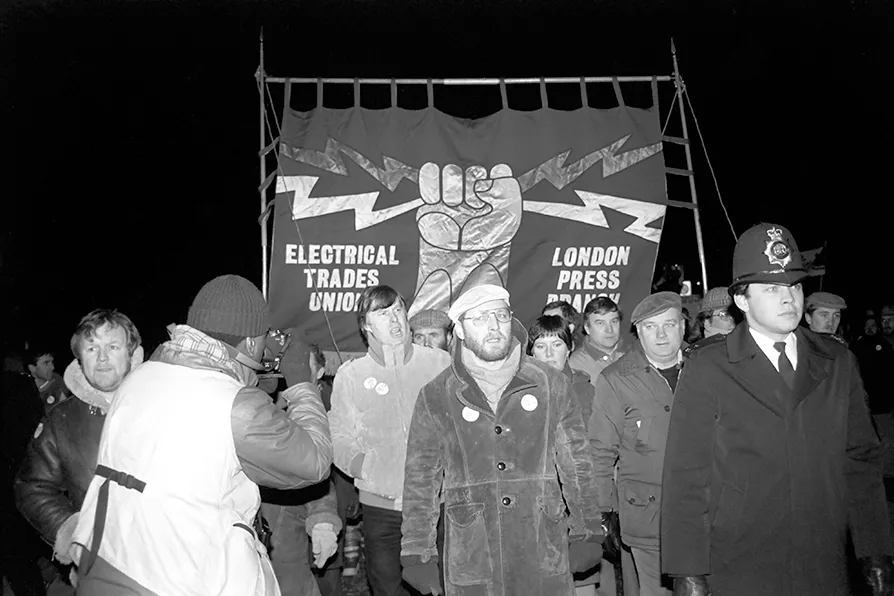
A past confrontation permanently shaped the methods the state will use to protect employers against any claims by their employees, writes MATT WRACK, but unions are readying to face the challenge
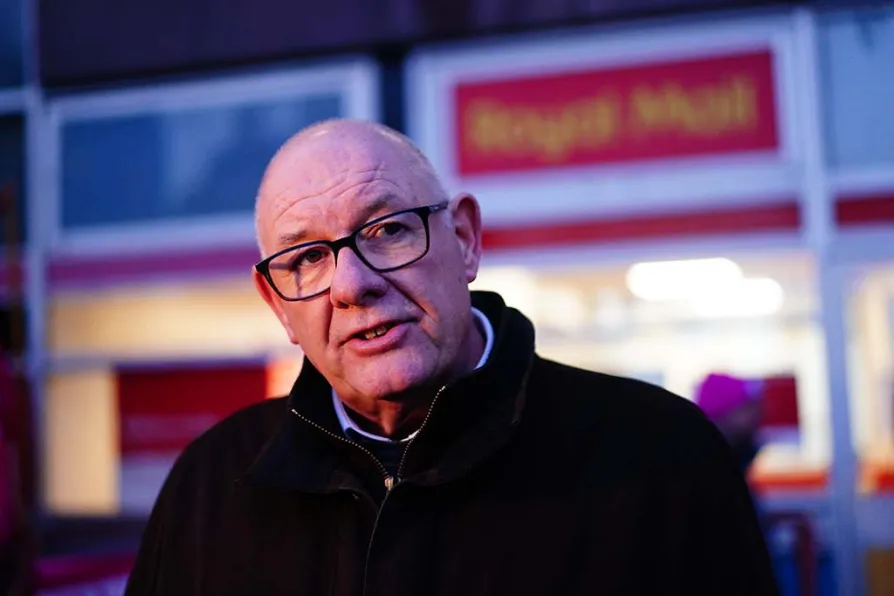
CWU leader DAVE WARD tells Ben Chacko a strategy to unite workers on class lines is needed – and sectoral collective bargaining must be at its heart
Ben Chacko talks to RMT leader EDDIE DEMPSEY about how the key to fixing broken Britain lies in collective sectoral bargaining, restoring unions’ ability to take solidarity strike action and bringing about the much-vaunted ‘wave of insourcing’