All the evidence shows voters want Labour to shift to the left — but initial signs from Andy Burnham are worrying on that front, cautions DIANE ABBOTT


 Latest editorial
Netanyahu’s ‘Greater Israel’ ambitions and Western imperialism
Israel’s tactics – with Western connivance – of incursion and expansion in Lebanon are not new, with invasions in 1978, 1982 and 2006 even prior to the current assault, says CLAUDIA WEBBE
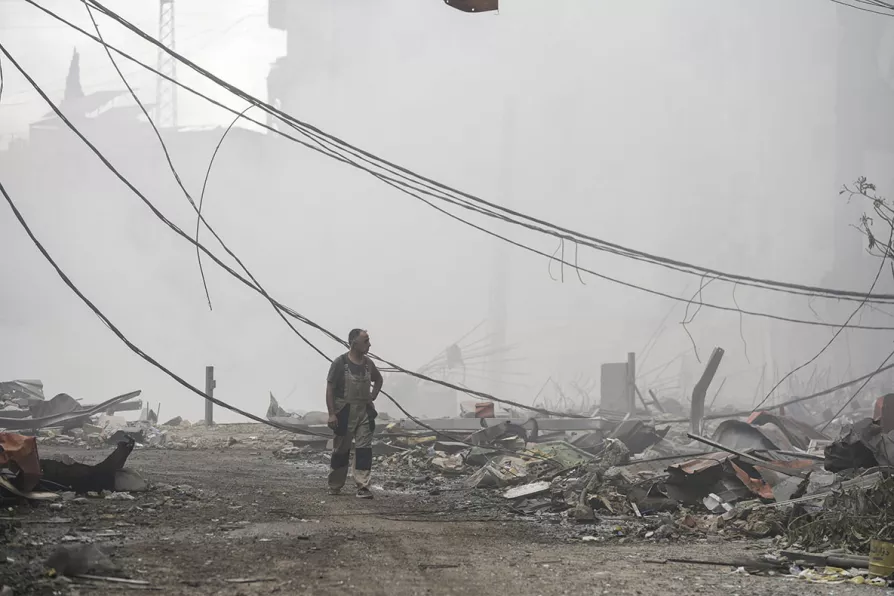 WASTELAND: A man walks as smoke rises from destroyed buildings at the site of an Israeli air strike in Choueifat, south-east of Beirut, Lebanon, October 7 2024

ANDY McDONALD MP says Labour must show it is capable of delivering real improvements in people’s lives — bold action is required
ANGUS REID and ANDREW JOHNSTONE report on an initiative that we must take this summer
ALLISON FEWTRELL on what Plaid Cymru's historic election victory means for the communities being failed by Wales’s housing crisis, and four things the new government can do right now
France Insoumise MP JEROME LEGAVRE speaks to Christophe Domec on building the Europe-wide peace movement that came together in the International Conference Against War last weekend
At last weekend’s International Conference Against War, LINDA PENTZ GUNTER talks to the Palestinian physician and politician about the struggles ahead to achieve a truly free Palestine





ISRAEL’S invasion of Lebanon, a sovereign state, following a series of terror attacks and intensive bombing of civilian areas, is part of a long history of colonial aggression that dates back not just to the invasions of the later 20th century, but more than 100 years ago to the very establishment of the territorial “mandates” by the imperial powers of Britain and France.
At that time, so-called “zionist ideologues,” envisioning a time when the mandate of Palestine would become their new Israel, lobbied the British and French governments to include the water resources of the Litani river, in what had been part of a greater Syrian province, in the mandate of Palestine. Their application was rejected, but the aim to incorporate the Litani as Israeli territory has never gone away, as evidenced by the naming of its first invasion “Operation Litani” (1978).
Israel has invaded Lebanon three times before the current assault: in 1978, 1982 and 2006. Israel’s tactics now are not new and have been homed in on Lebanon as well as Gaza — each time, Israel has targeted civilian populations and infrastructure, killing thousands, driving hundreds of thousands from their homes, and using starvation as a weapon. Between the invasions, there have been constant Israeli air raids and incursions, along with the funding by Israel of far-right sectarian groups. Even prior to the first invasion in 1978, the aggression was constant, with more than 6,000 attacks just between 1968 and 1975.

Similar stories

The Met Police's refusal to act against British nationals accused of war crimes in Gaza is a green light for Israel's genocide, writes CLAUDIA WEBBE

RAMZY BAROUD looks at how entire West Bank communities have been shattered, their social and physical fabric deliberately dismantled by Israel to enable its formal annexation
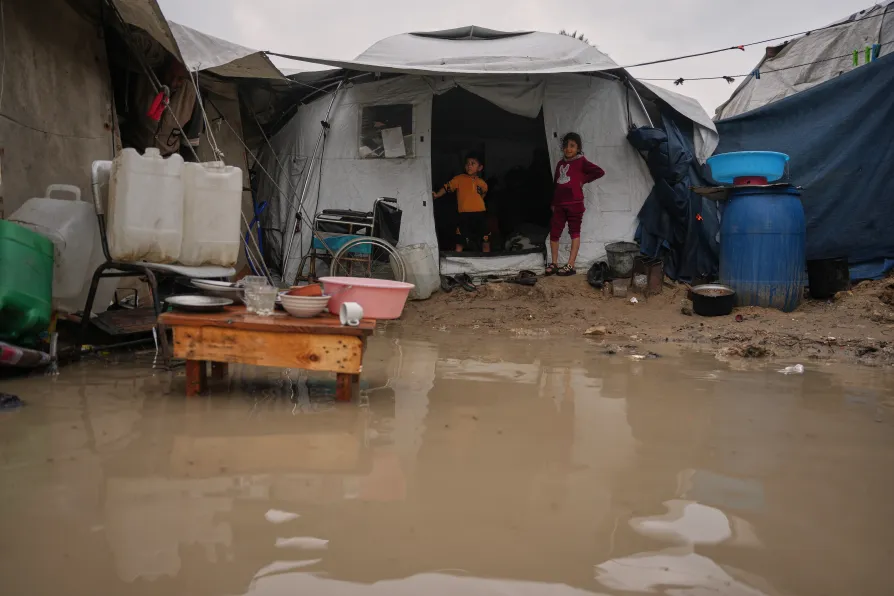
The catastrophe unfolding in Gaza – where Palestinians are freezing to death in tents – is not a natural disaster but a calculated outcome of Israel’s ongoing blockade, aid restrictions and continued violence, argues CLAUDIA WEBBE
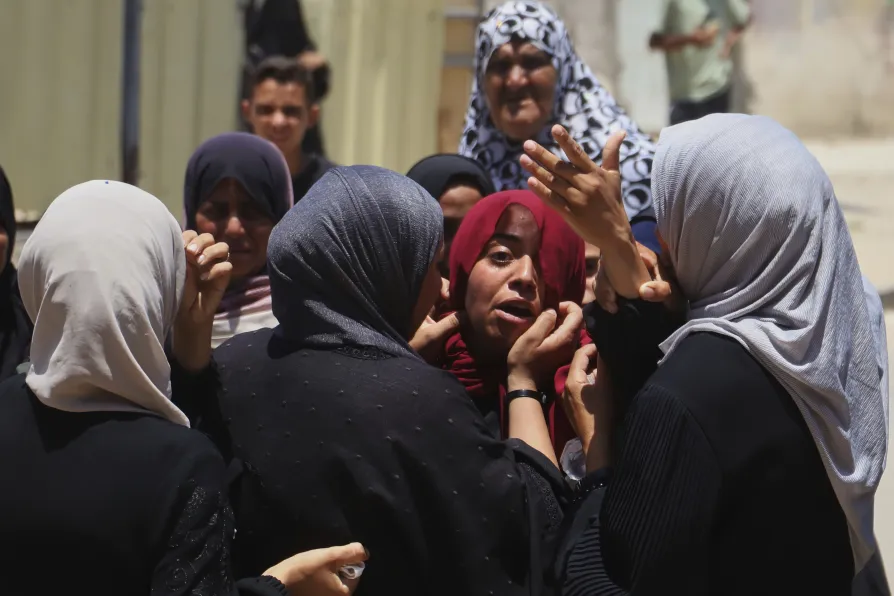
Israel’s monopolisation of ‘aid’ to slaughter Palestinians means there is no other option: direct international intervention now, says CLAUDIA WEBBE