All the evidence shows voters want Labour to shift to the left — but initial signs from Andy Burnham are worrying on that front, cautions DIANE ABBOTT


 Latest editorial
Labour’s strategic defence review: nothing to do with defence or security
RMT president ALEX GORDON exposes the government's bellicose foreign policy
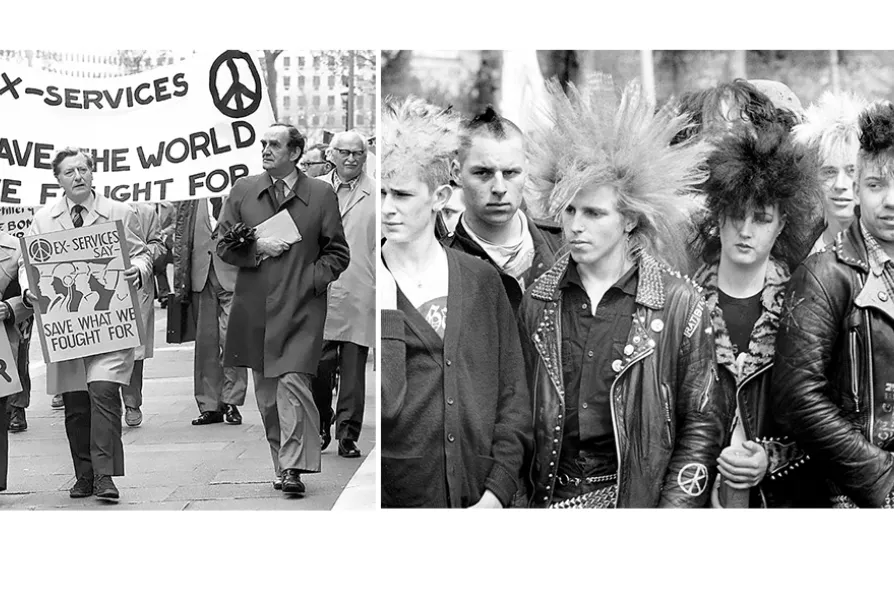 ALL WALKS OF LIFE: (Left) Ex-servicemen members of CND march in London in 1983; (right) Punks for Peace join campaign for nuclear disarmament march in London for the Rock the Bomb Festival of Peace in Brixton
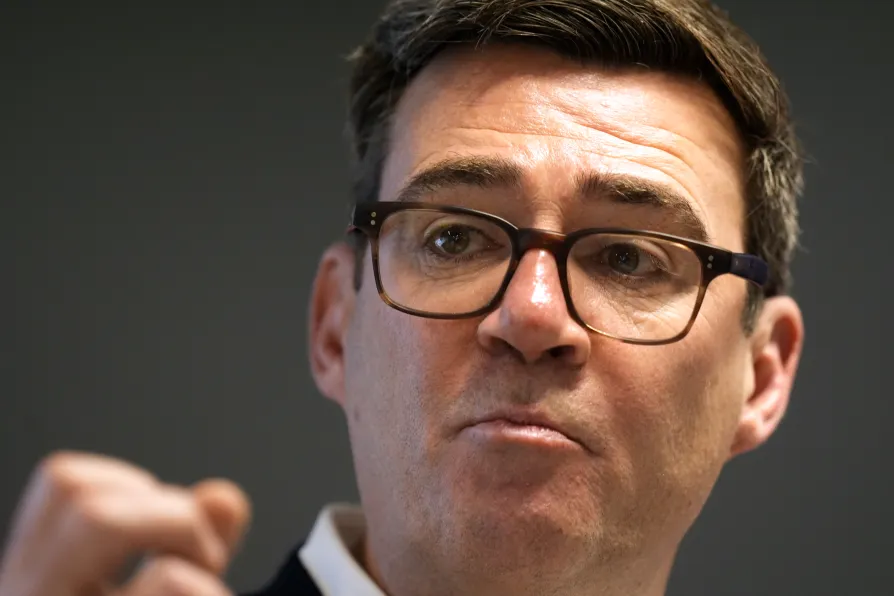
ANDY McDONALD MP says Labour must show it is capable of delivering real improvements in people’s lives — bold action is required
ANGUS REID and ANDREW JOHNSTONE report on an initiative that we must take this summer
ALLISON FEWTRELL on what Plaid Cymru's historic election victory means for the communities being failed by Wales’s housing crisis, and four things the new government can do right now
France Insoumise MP JEROME LEGAVRE speaks to Christophe Domec on building the Europe-wide peace movement that came together in the International Conference Against War last weekend
At last weekend’s International Conference Against War, LINDA PENTZ GUNTER talks to the Palestinian physician and politician about the struggles ahead to achieve a truly free Palestine





BEFORE I was a member of a trade union, I was a member of Youth CND. My teenage years were heavily influenced by the peace and anti-nuclear movements in Britain and internationally.
We joined Ban the Bomb demos in London. We visited peace camps at Alconbury, Lakenheath and Greenham Common. We headed to Brockwell Park to hear the Style Council, The Damned and Madness at the CND Youth Festival for Peace in 1983.
The popular culture of resistance to cold war warriors gave my generation its music, politics and attitude. Growing up in 1970s and 1980s under the shadow of a tactical nuclear arms race and the doctrine of mutually assured destruction affected my generation in a way comparable to the effect of social media today on young people in coverage of Israel’s genocide in Gaza. It gave us a sense of urgency that called on us to become activists.

Similar stories
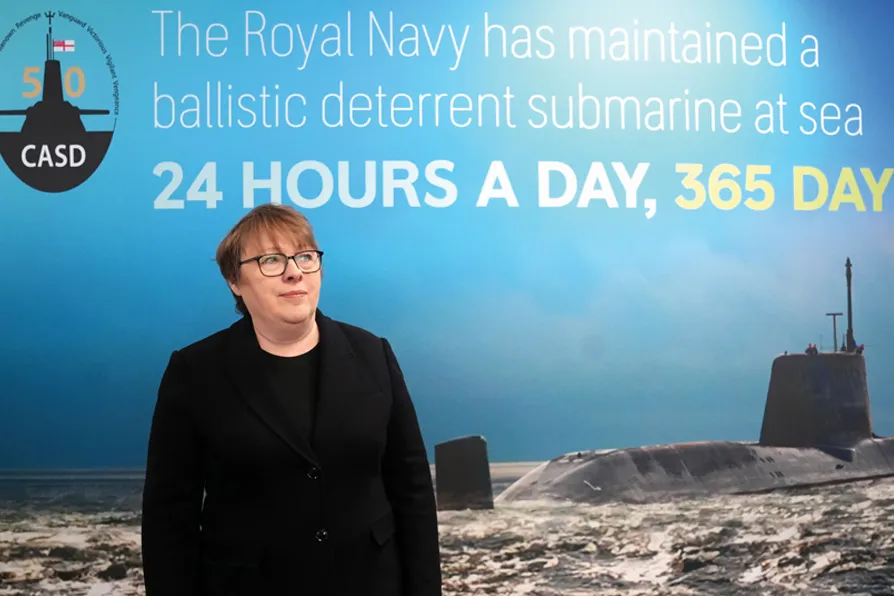
Expanding Britain’s nuclear capability increases the risk of nuclear confrontation. It does not keep us safe – it makes us a target, argues CAROL TURNER
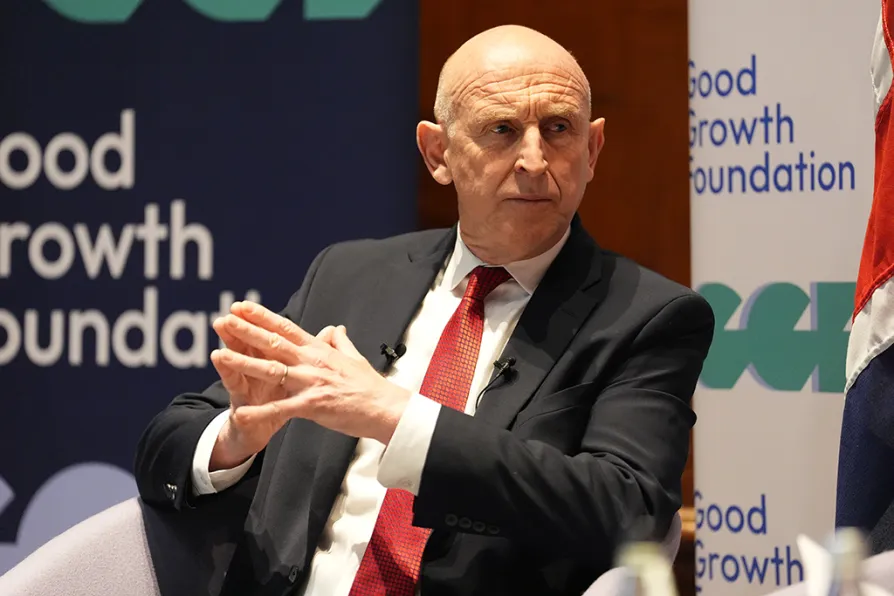
The defence secretary’s resignation reveals not a split over principle but a dispute over pace of military spending, as Britain’s political Establishment unites behind deeper Nato commitments, argues NICK WRIGHT

While politicians fixate on defence budgets, the real answers lie in peace-building and economic justice, says ALAN SIMPSON
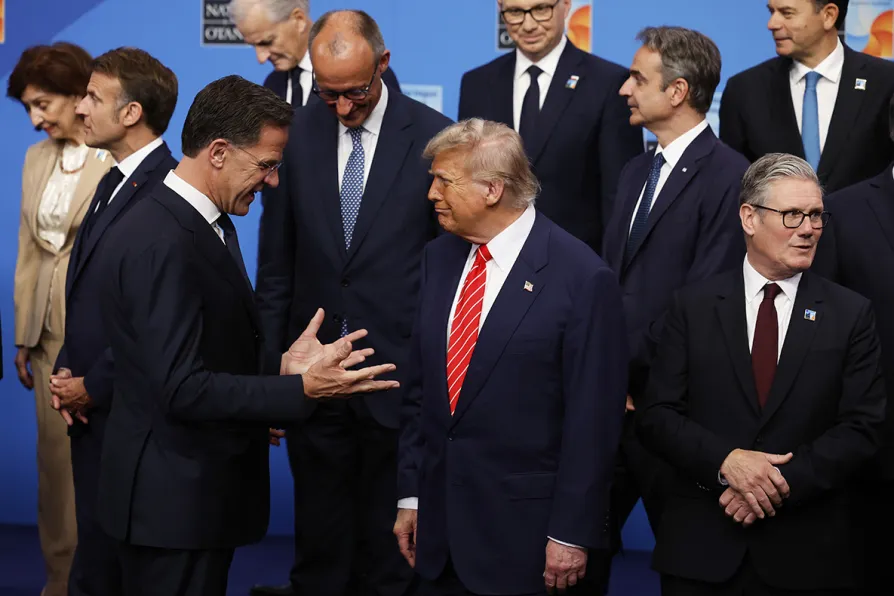
In an address to the Communist Party’s executive at the weekend international secretary KEVAN NELSON explained why the communists’ watchwords must be Jobs not Bombs and Welfare not Warfare