All the evidence shows voters want Labour to shift to the left — but initial signs from Andy Burnham are worrying on that front, cautions DIANE ABBOTT


 Latest editorial
Sugar rush: the sweet science of human genetic adaptation
ROX MIDDLETON, LIAM SHAW and MIRIAM GAUNTLETT examine how new genetic research reveals the rapid pace of human evolution in response to agricultural development, offering insights Marx would have found fascinating
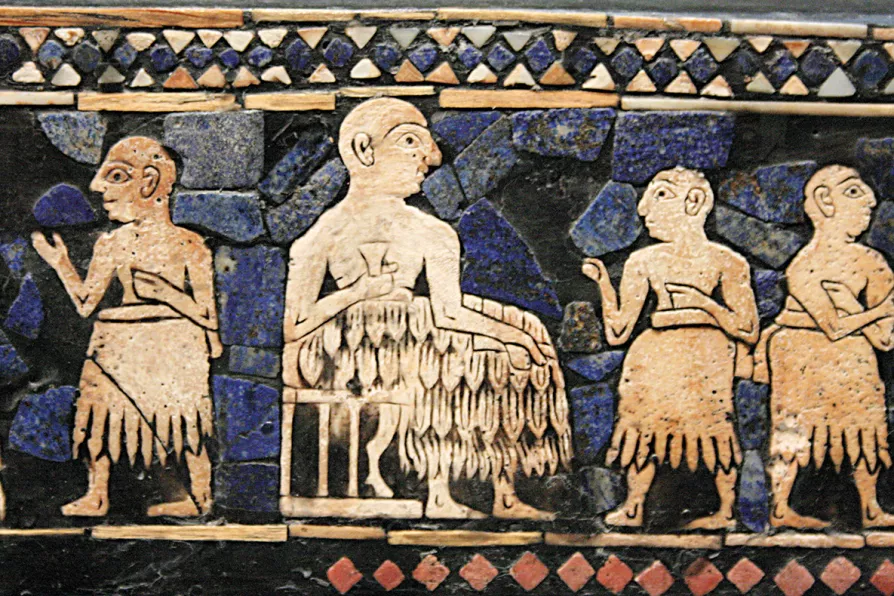 A 2600BC depiction of a king in Sumer, an early human civilisation in the fertile crescent where humans had adapted to eat starchy foods through farming
[Michel Wal/Creative Commons]
A 2600BC depiction of a king in Sumer, an early human civilisation in the fertile crescent where humans had adapted to eat starchy foods through farming
[Michel Wal/Creative Commons]

ANDY McDONALD MP says Labour must show it is capable of delivering real improvements in people’s lives — bold action is required
ANGUS REID and ANDREW JOHNSTONE report on an initiative that we must take this summer
ALLISON FEWTRELL on what Plaid Cymru's historic election victory means for the communities being failed by Wales’s housing crisis, and four things the new government can do right now
France Insoumise MP JEROME LEGAVRE speaks to Christophe Domec on building the Europe-wide peace movement that came together in the International Conference Against War last weekend
At last weekend’s International Conference Against War, LINDA PENTZ GUNTER talks to the Palestinian physician and politician about the struggles ahead to achieve a truly free Palestine





THE taste of food is something that seems fundamental. In Marx’s view, expressed in A Contribution to the Critique of Political Economy (1859), a physical property like taste provides a measure of the use-value of a commodity as distinct from its exchange-value: “From the taste of wheat, it is not possible to tell who produced it, a Russian serf, a French peasant or an English capitalist.”
Today, humanity consumes nearly 800 million metric tons of wheat a year. Other foods such as potatoes, rice, and different cereal crops are essential to diets around the world.
All of these contain large amounts of carbohydrates in the form of starch molecules. These molecules were made by the plants as an energy store. When plants photosynthesise, they use sunlight to convert water and carbon dioxide into glucose molecules.

Similar stories

RICHARD SHILLCOCK examines an enjoyable, but philosophically conventional book, and urges Marxists to employ their capacity to embrace the totality in any explanation
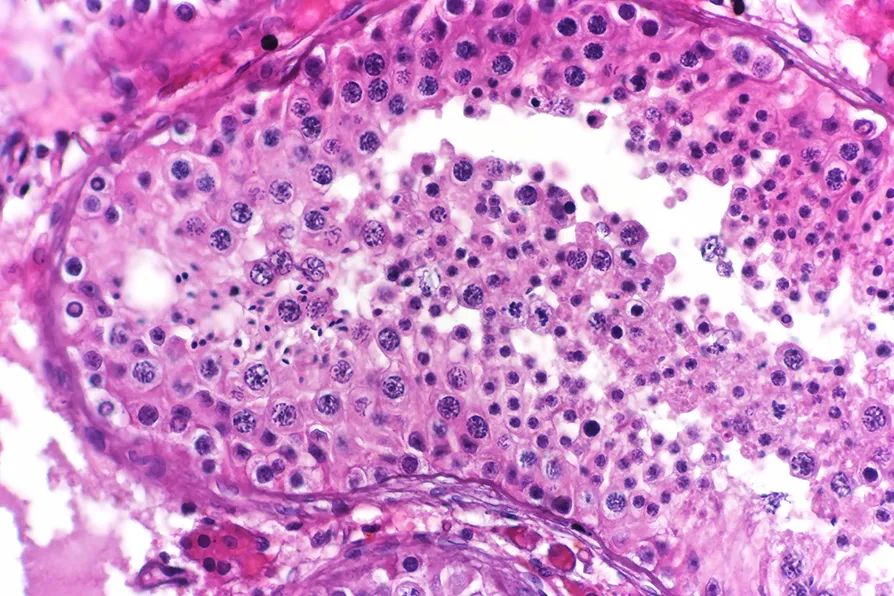
New research into mutations in sperm helps us better understand why they occur, while debunking a few myths in the process, write ROX MIDDLETON, LIAM SHAW and MIRIAM GAUNTLETT
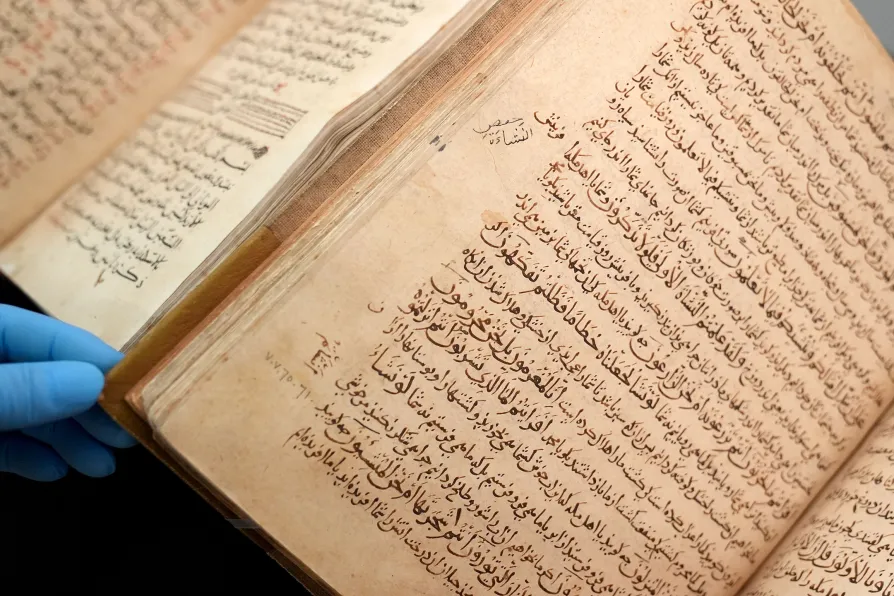
GORDON PARSONS is enthralled by an erudite and entertaining account of where the language we speak came from
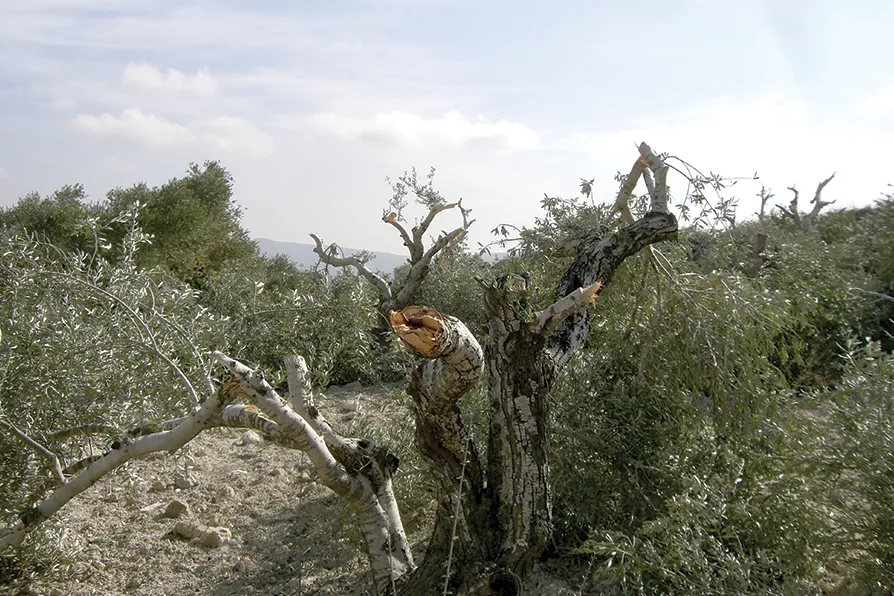
Olive oil remains a vital foundation of food, agriculture and society, storing power in the bonds of solidarity. Though Palestinians are under attack, they continue to press forward write ROX MIDDLETON, LIAM SHAW and MIRIAM GAUNTLETT