All the evidence shows voters want Labour to shift to the left — but initial signs from Andy Burnham are worrying on that front, cautions DIANE ABBOTT


 Latest editorial
Assisted dying: we must fight for care, not killing
JOHN McINALLY argues trade unions and socialists must demand properly funded healthcare instead of a change that, combined with neoliberal capitalism, will see working-class people pushed towards suicide
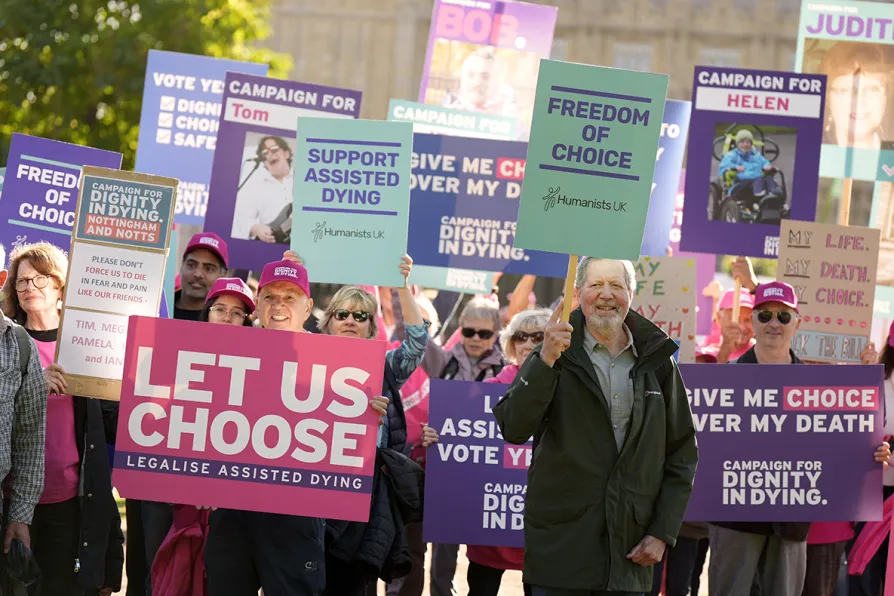
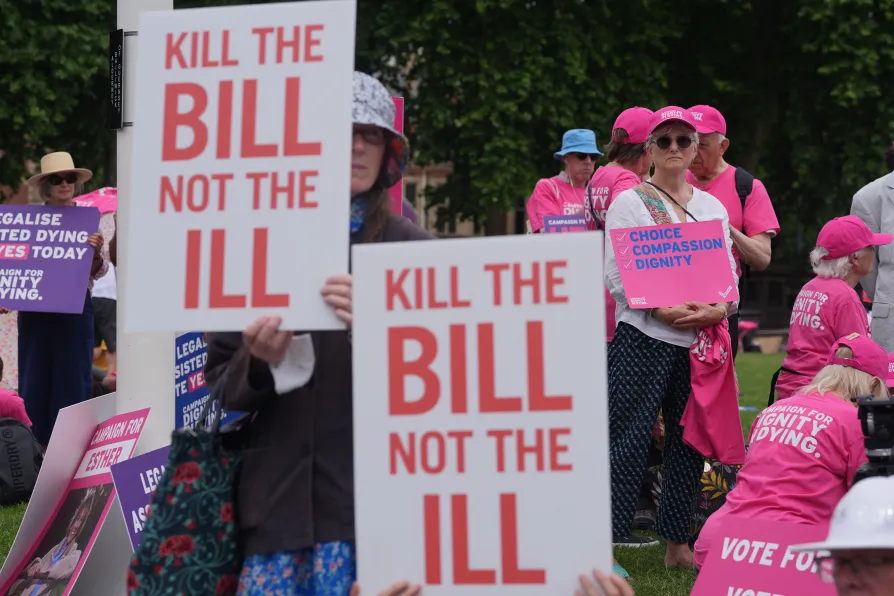
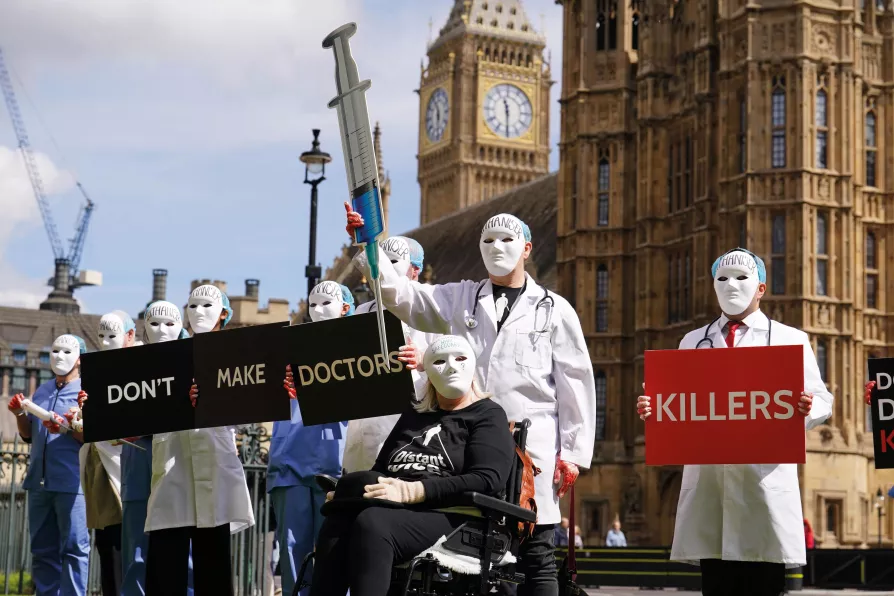 MAJOR CONCERNS: Campaigners protest in Westminster ahead of a Commons debate on assisted dying, April 2024
ANDY McDONALD MP says Labour must show it is capable of delivering real improvements in people’s lives — bold action is required
ANGUS REID and ANDREW JOHNSTONE report on an initiative that we must take this summer
ALLISON FEWTRELL on what Plaid Cymru's historic election victory means for the communities being failed by Wales’s housing crisis, and four things the new government can do right now
France Insoumise MP JEROME LEGAVRE speaks to Christophe Domec on building the Europe-wide peace movement that came together in the International Conference Against War last weekend
At last weekend’s International Conference Against War, LINDA PENTZ GUNTER talks to the Palestinian physician and politician about the struggles ahead to achieve a truly free Palestine





AS PREDICTED, the debate around the Assisted Dying Bill is framed by liberal politicians, the media and celebrities as one of “human rights” and “choice and autonomy.”
Where such legislation has been enacted, irrefutable evidence shows the original criteria that restricted “choice” to the terminally ill was quickly extended to those with non-terminal conditions, the disabled and mentally ill, those who consider themselves a “burden,” and those the neoliberal elite consider a burden on society — the poor and homeless.
Such concerns are airily dismissed by slick politicians who dishonestly claim the debate is about providing a “choice” between palliative care and assisted dying that all should be entitled to. Such lies. These people are perfectly aware the provision of palliative care, like all medical care, is in crisis due to lack of funding, research and development.

Similar stories
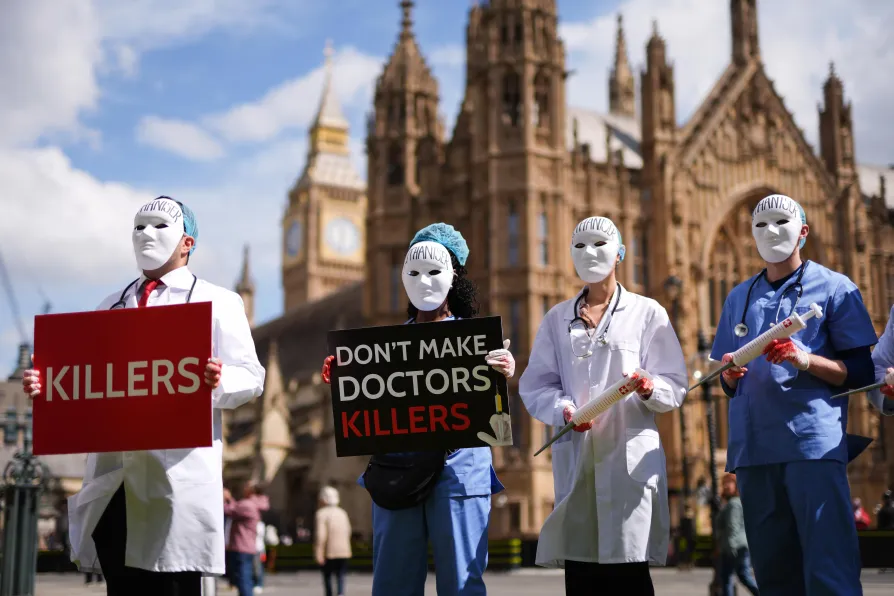
Evidence to peers from medical leaders, patient safety officials and the children’s commissioner has intensified fears that the Bill’s safeguards are inadequate, writes ADAM JAMES POLLOCK
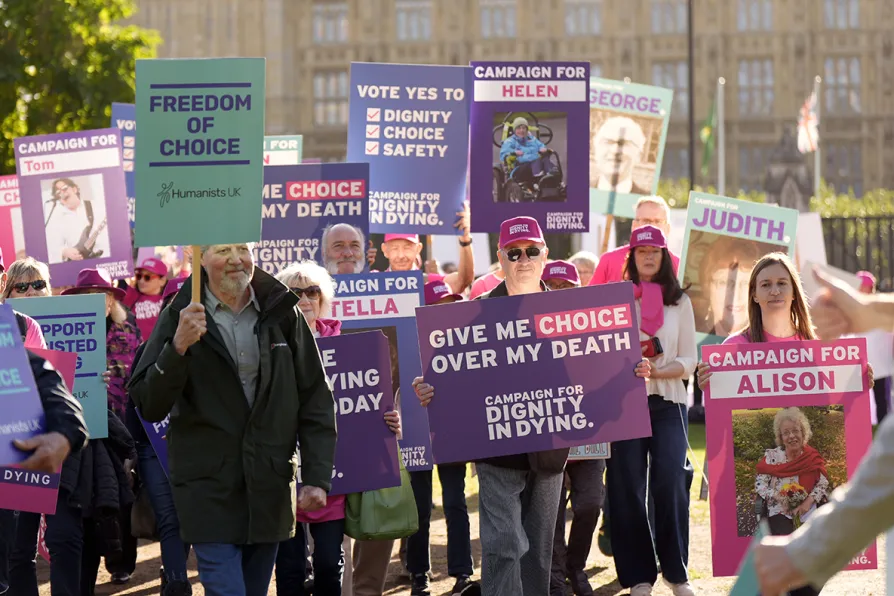
GEOFF BOTTOMS, who has worked in a palliative care hospice for 11 years, argues the postcode lottery for proper end-of-life care must be ended to give the terminally ill choice and agency