All the evidence shows voters want Labour to shift to the left — but initial signs from Andy Burnham are worrying on that front, cautions DIANE ABBOTT


 Latest editorial
Peace: the people’s priority in Iran
After the Gaza genocide and unleashing chaos in Syria, the US and Israel prepare to target Tehran next, leaving the Iranian people caught between foreign intervention and continued theocratic oppression, writes GAWAIN LITTLE
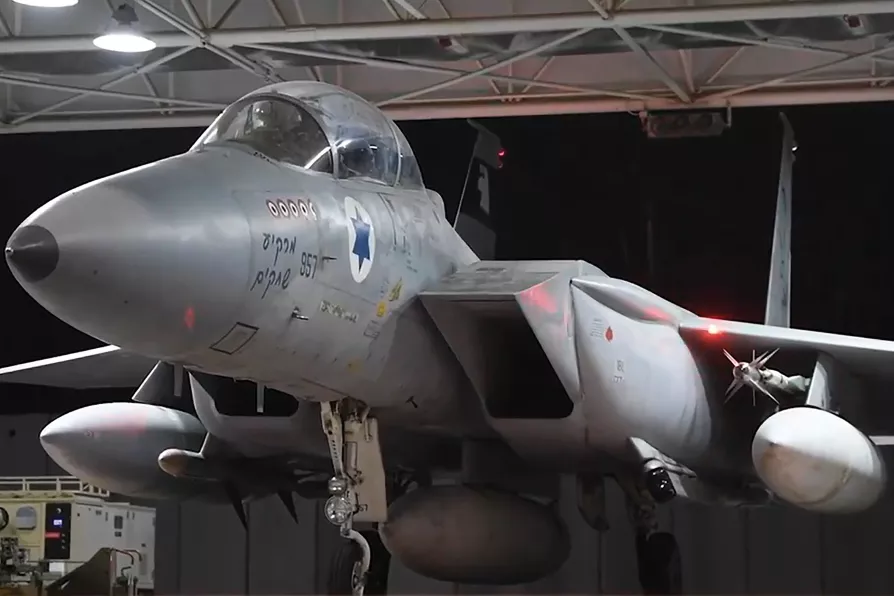 BRUTE FORCE: An Israeli war plane at Tel Nof air base prepares for strikes on Iran
[idf.il/CC]
BRUTE FORCE: An Israeli war plane at Tel Nof air base prepares for strikes on Iran
[idf.il/CC]
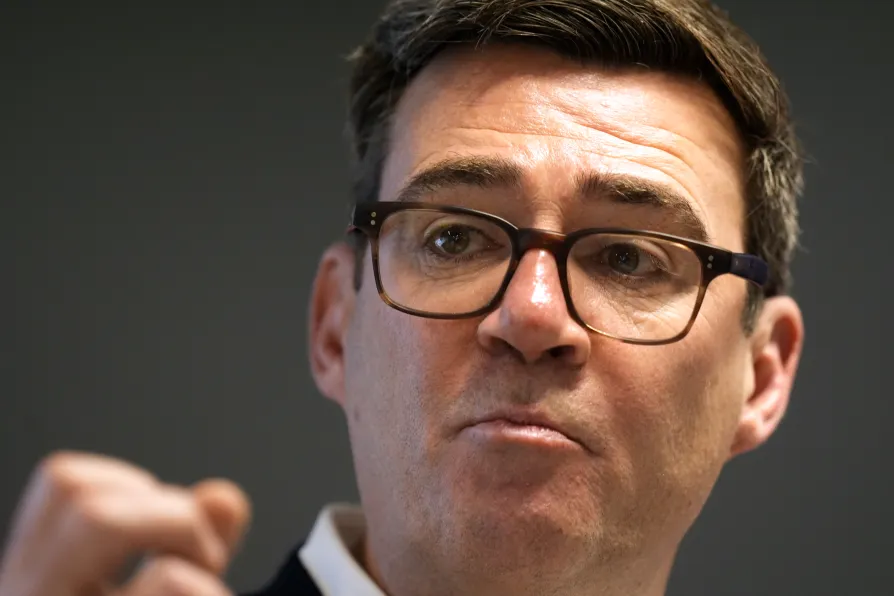
ANDY McDONALD MP says Labour must show it is capable of delivering real improvements in people’s lives — bold action is required
ANGUS REID and ANDREW JOHNSTONE report on an initiative that we must take this summer
ALLISON FEWTRELL on what Plaid Cymru's historic election victory means for the communities being failed by Wales’s housing crisis, and four things the new government can do right now
France Insoumise MP JEROME LEGAVRE speaks to Christophe Domec on building the Europe-wide peace movement that came together in the International Conference Against War last weekend
At last weekend’s International Conference Against War, LINDA PENTZ GUNTER talks to the Palestinian physician and politician about the struggles ahead to achieve a truly free Palestine





THE Middle East has long been a battleground in which imperial powers have played out their power games by creating, enhancing and exploiting regional tensions. However, the most recent plans of the US to “reshape” the region go back some 18 years to the speech made by then US secretary of state, Condoleezza Rice, in July 2006 when she stated that the US was seeking major change in the Middle East.
Under successive US presidents since then, the concept of a Greater Middle East has evolved. President Obama developed the US’s New Middle East Plan to reassert influence and bolster resource control in the region. Obama’s version of the plan resulted in the Joint Comprehensive Plan of Action (JCPOA) with Iran in 2015 and a more nuanced approach to containing the perceived threat of Iran to the regional power balance.
Donald Trump took a more belligerent approach, tearing up the JCPOA in 2018, taking a clear position of supporting the objectives of Israel to be the region’s dominant military power and protector of US interests.
Similar stories
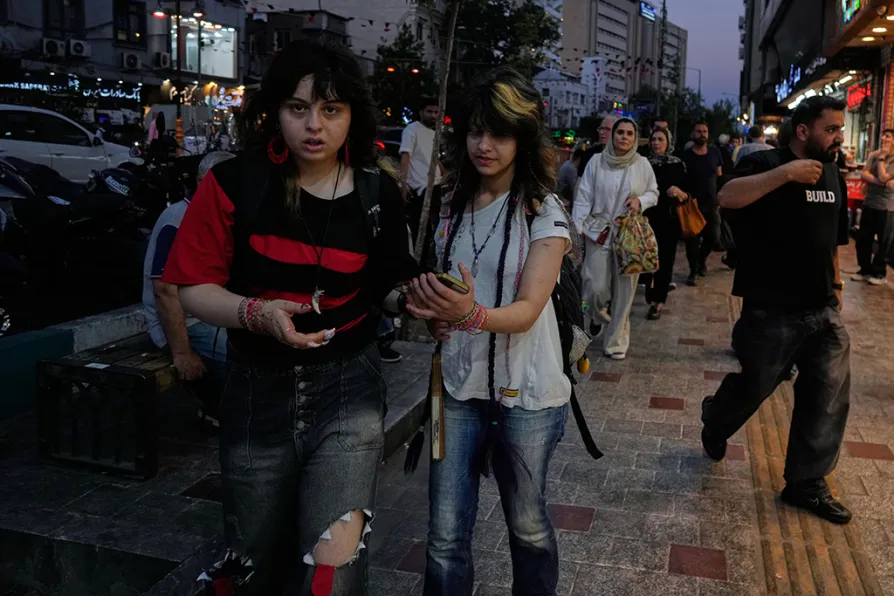
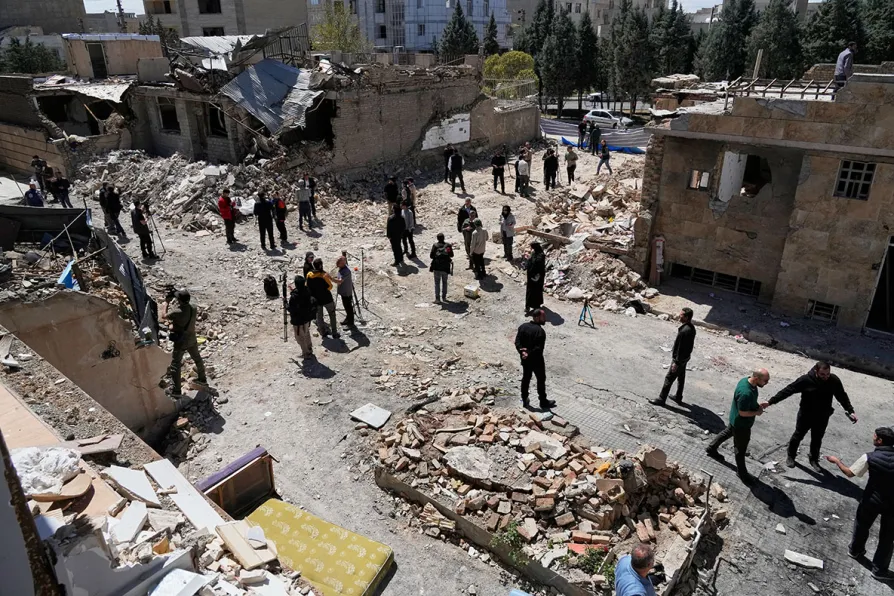
The ceasefire may have halted the fighting for now, but years of economic warfare and recent military attacks have left millions of Iranians facing hardship and uncertainty, says Codir’s RUBEN BRETT
A packed fringe meeting at the National Education Union conference heard from Iranian teachers, campaigners and journalists
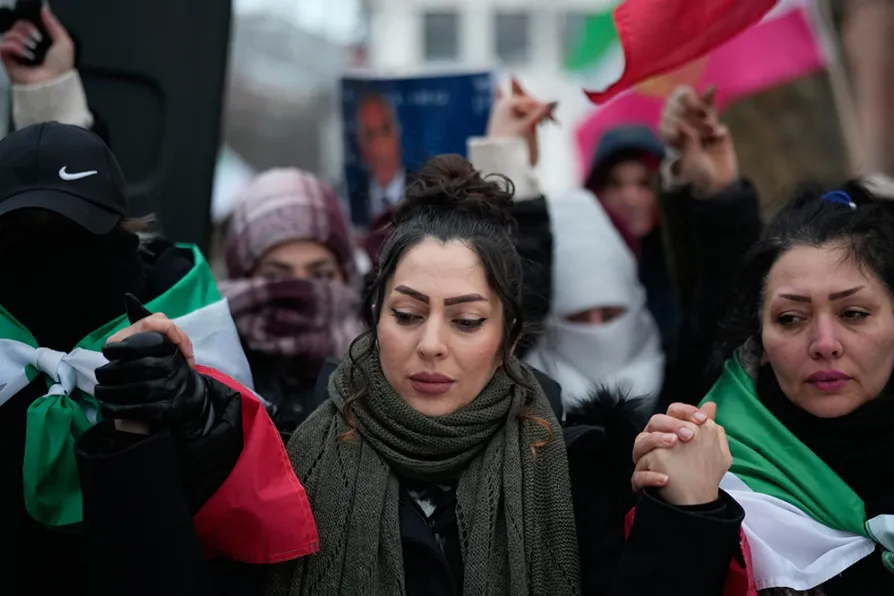
The Committee for the Defence of Iranian People’s Rights (Codir) welcomes demonstrations across Iran, which have put pressure upon the theocratic dictatorship, but warns against intervention by the United States to force Iran in a particular direction
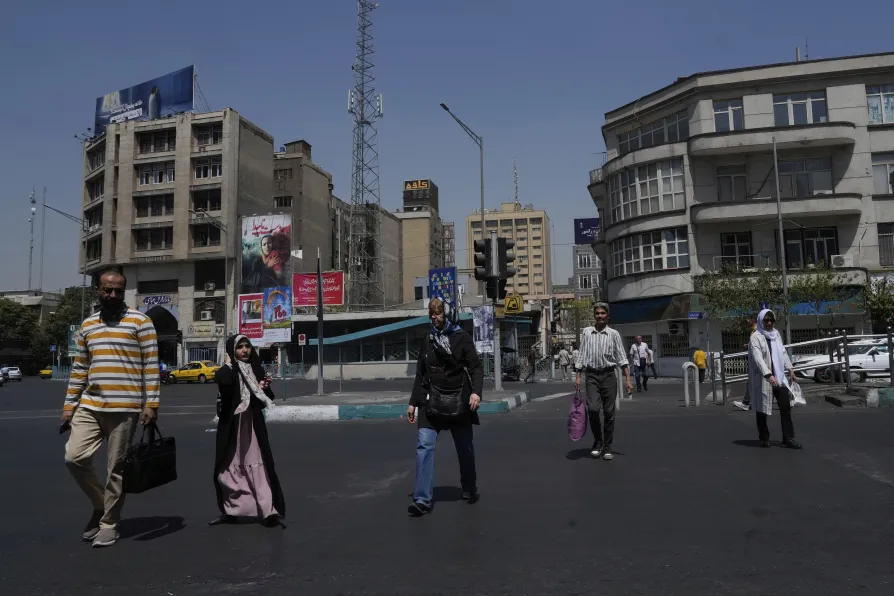
Payam Solhtalab talks to GAWAIN LITTLE, general secretary of Codir, about the connection between the struggle for peace, against banking and economic sanctions, and the threat of a further military attack by the US/Israel axis on Iran