All the evidence shows voters want Labour to shift to the left — but initial signs from Andy Burnham are worrying on that front, cautions DIANE ABBOTT


 Latest editorial
The war criminal ‘victim’: Netanyahu’s inevitable fate
The Israeli PM has won political favour by repeatedly playing the victim card – but when the war on Gaza ends this kind of manoeuvring will no longer suffice in order to maintain his coalition, says RAMZY BAROUD
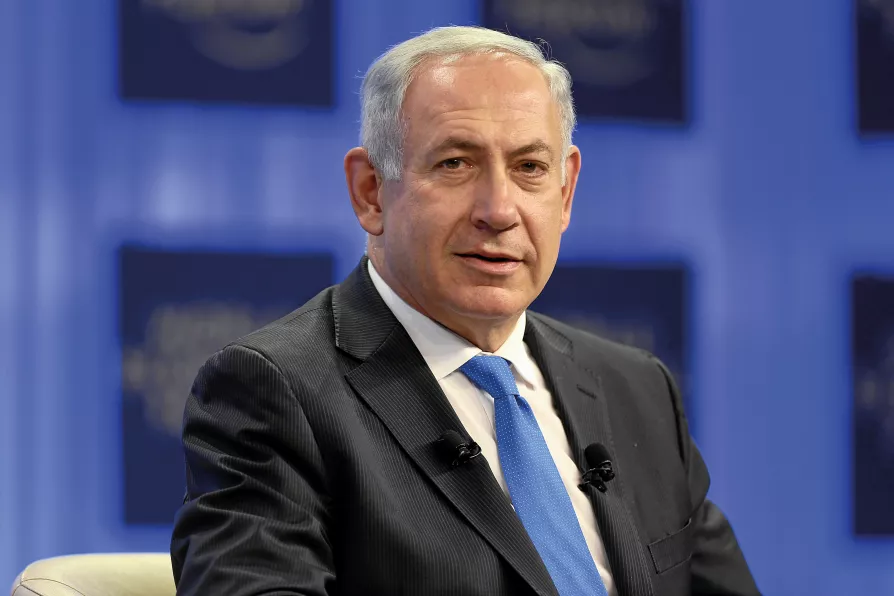 [World Economic Forum/Jolanda Flubacher/Creative Commons]
ANDY McDONALD MP says Labour must show it is capable of delivering real improvements in people’s lives — bold action is required
ANGUS REID and ANDREW JOHNSTONE report on an initiative that we must take this summer
ALLISON FEWTRELL on what Plaid Cymru's historic election victory means for the communities being failed by Wales’s housing crisis, and four things the new government can do right now
France Insoumise MP JEROME LEGAVRE speaks to Christophe Domec on building the Europe-wide peace movement that came together in the International Conference Against War last weekend
At last weekend’s International Conference Against War, LINDA PENTZ GUNTER talks to the Palestinian physician and politician about the struggles ahead to achieve a truly free Palestine





SUDDENLY, Yoav Gallant, Israel’s notorious minister of defence, disappeared into obscurity. The man who served in his country’s military for about 35 years, in politics for nearly 10, and oversaw major wars, including the ongoing genocide in Gaza, quickly retreated from headlines and political significance.
In his resignation letter, Gallant accused Israeli Prime Minister Benjamin Netanyahu, who fired him on November 5, along with his replacement, Israel Katz, of endangering the country’s security. However, he kept his criticism largely focused on the issue of military conscription for Israel’s ultra-Orthodox community.
Gallant’s refusal to offer an exemption to Israel’s Haredim had always been a source of tension between him and his domineering boss. Yet, the political weight of that issue seems to have been greatly inflated by all parties, each with a political purpose in mind.

Similar stories

While international attention focuses on ceasefire frameworks, Israel is openly advancing plans for a permanent expansion of its control over Gaza, writes RAMZY BAROUD
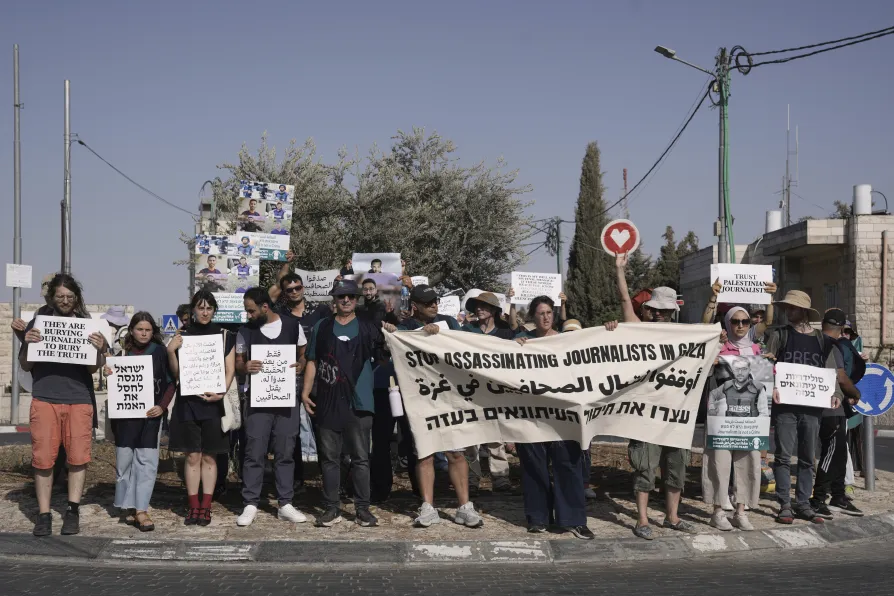
With foreign media banned from Gaza, Palestinians themselves have reversed most of zionism’s century-long propaganda gains in just two years — this is why Israel has killed 270 journalists since October 2023, explains RAMZY BAROUD

Gaza’s collective sumud has proven more powerful than one of the world’s best-equipped militaries, but the change in international attitudes isn’t happening fast enough to save a starving population from Western-backed genocide, argues RAMZY BAROUD

Israel’s genocide in Palestine and wars against its neighbours would be impossible without constant Western support — so we must amplify the brave voices demanding a halt, argues DR RAMZY BAROUD