


 SHINING EXAMPLE: John Foster
[Vaughan Melzer]
SHINING EXAMPLE: John Foster
[Vaughan Melzer]

HENRY BELL is fascinated by the underlying curiosities and contradictions of one of the great poets of the Mediterranean
DAVID RENTON recommends a books that explores the ways in which disabled people are made to feel both of and not part of this world
JONATHAN TAYLOR is fascinated by the philosophical problems that permeate the art of life-writing
GORDON PARSONS steps warily in between the lines of Britain’s most famous diarist
SIMON DUFF recommends a recording of Arvo Part that takes the listener on a pilgrimage through seemingly distant times and events of the Bible





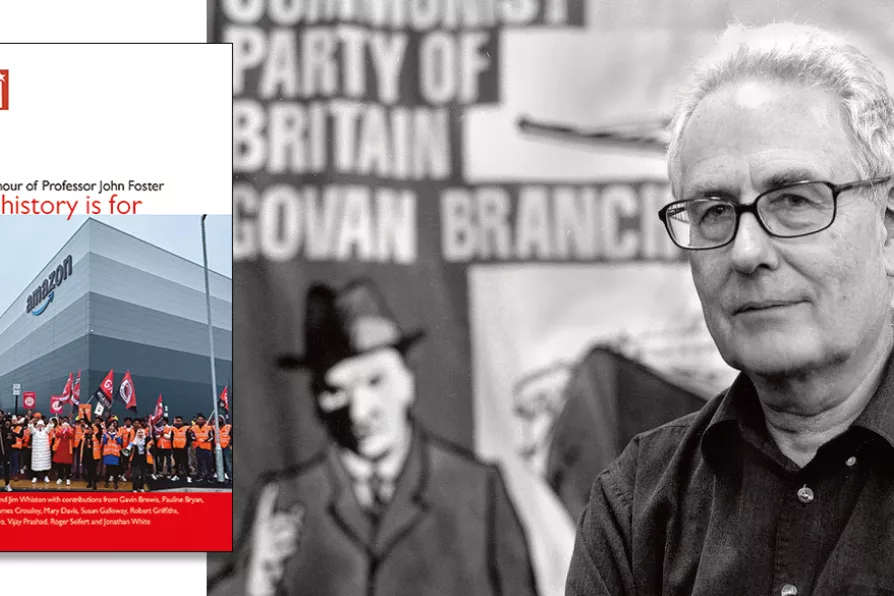
What history is for: Essays in Honour of Professor John Foster
Ed Elaine McFarland and Jim Whiston, Manifesto, £12.50
JOHN FOSTER’s response to the title of this slim volume of a dozen essays which focus on his lifetime’s work over the last six decades might well be “praxis,” the Marxist term denoting that neither theory nor practice are intelligible in isolation from each other, but need to be tested by material reality.
Unlike Hegel’s Idealism and rhetorical abstraction against which Marx & Engels unleashed “historical materialism” as a guide for the class conscious working-class struggle to replace the ruling class by the proletariat using its collective power and agency, dialectically, to create itself as a unified class for, and against, all others.
Unlike his older fellow Marxist historians, Eric Hobsbawm and EP Thompson, Foster has kept these insights alive by nailing himself since the 1960s to the Communist Party and the organised broad left movement based in Scotland as political activist, leader, strategist, intellectual, spokesperson, organiser, archivist and defender of the Morning Star and its readership. Indeed, the Morning Star only survived the 1980s through people like Foster, Mary Davis and Robert Griffiths.


ANDY CROFT welcomes the publication of an anthology of recent poems published by the Morning Star, and hopes it becomes an annual event
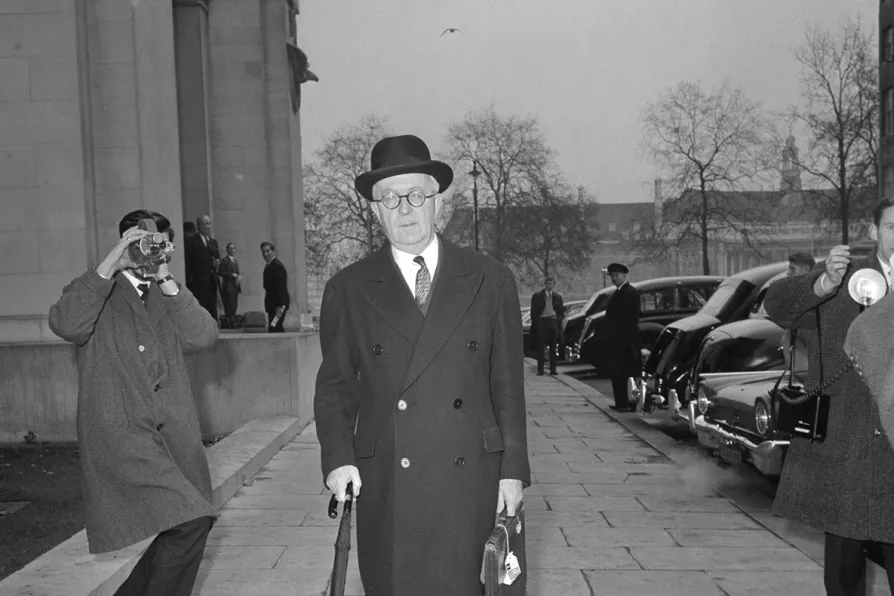
In part II of a serialisation of his new book, JOHN McINALLY explores how witch-hunting drives took hold in the Civil Service as the cold war emerged in the wake of WWII

HENRY BELL notes the curious confluence of belief, rebuilding and cheap materials that gave rise to an extraordinary number of modernist churches in post-war Scotland