To rescue Kahlo from the clutches of the corporate art market, we need to acknowledge the overt and covert political dimensions of the work, demands GAVIN O’TOOLE


 Latest editorial
Extended trot
STEVEN ANDREW recommends an informed and personable work that contains as many ommisions as it does analyses
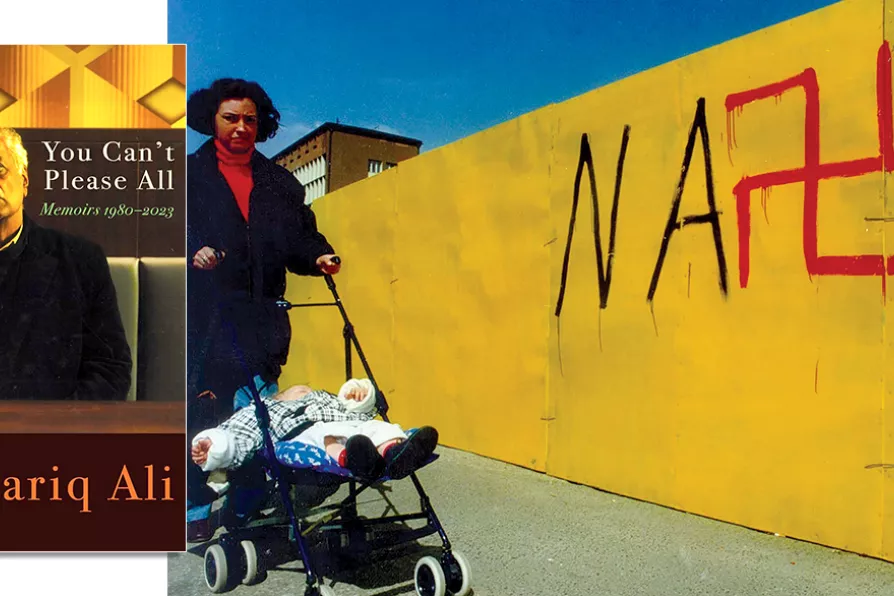 NO MINCING WORDS: Anti-Nato graffiti on a wall during the bombing of Novi Sad in 1999. Total civilian casualties of Nato bombings of Yugoslavia are estimated at probably 2,000 killed and about 6,000 wounded
[Darko Dozet/CC]
NO MINCING WORDS: Anti-Nato graffiti on a wall during the bombing of Novi Sad in 1999. Total civilian casualties of Nato bombings of Yugoslavia are estimated at probably 2,000 killed and about 6,000 wounded
[Darko Dozet/CC]
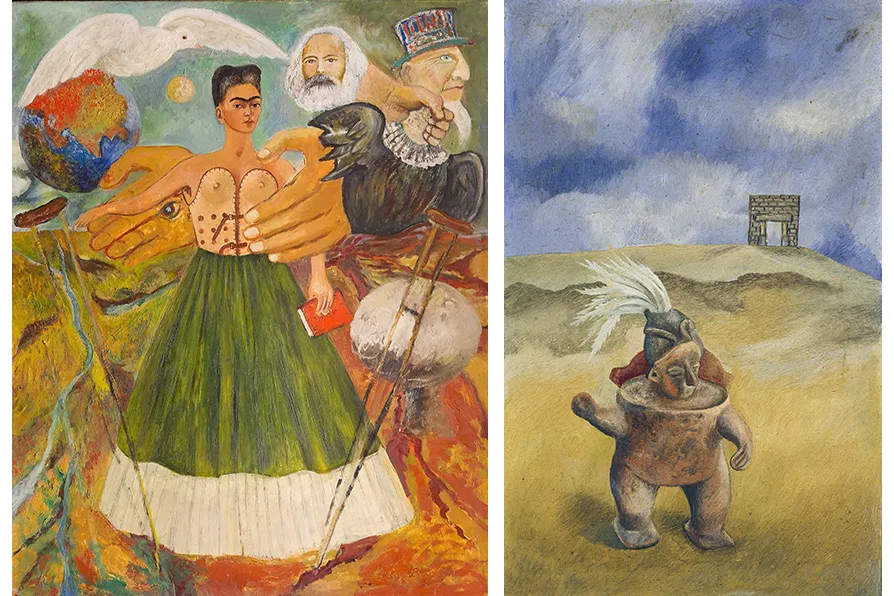
If you can see past the relentless commodification you will be rewarded by enormously powerful work, suggests JENNY MITCHELL
CHRIS SEARLE revels in the one-off collaboration between an American polymath and a British Muslim, and detects the presence of their revolutionary forebear
GORDON PARSONS revels in an ebullient production of Shakespeare’s magical comedy
BRENT CUTLER welcomes a thoughtful analysis of the Erdogan regime, viewed through the evolving history of a neighbourhood in Istanbul
GORDON PARSONS regrets the price, but is dazzled by an outstandingly ambitious study of the way art restoration in particular, and culture in general was weaponised by the Nazis





You Can’t Please All: Memoirs 1980-2024
Tariq Ali, Verso, £35
HAVING thoroughly enjoyed Tariq Ali’s earlier autobiographical book, Street Fighting Years, and having more than appreciated many other works such as his widely read and timely The Clash Of Fundamentalisms, it’s nice to report that this latest momentous tome was in no way a disappointment.
That said, it’s very different from Ali’s earlier life story in that it is a huge, unwieldy and somewhat chaotic collection. It is fair to say that Ali is not without a shortage of interests — or a shortage of words for that matter — and I won’t even attempt to list the number of subjects covered in an account by no means chronological and seamless in treatment.
Ali’s movement away from more overtly ideological forms of Trotskyism is documented by notes on internal struggles within the International Marxist Group which he left to join a leftwards-shifting Bennite Labour Party, and by his relationship with key international figures such as Ernest Mandel.

Similar stories
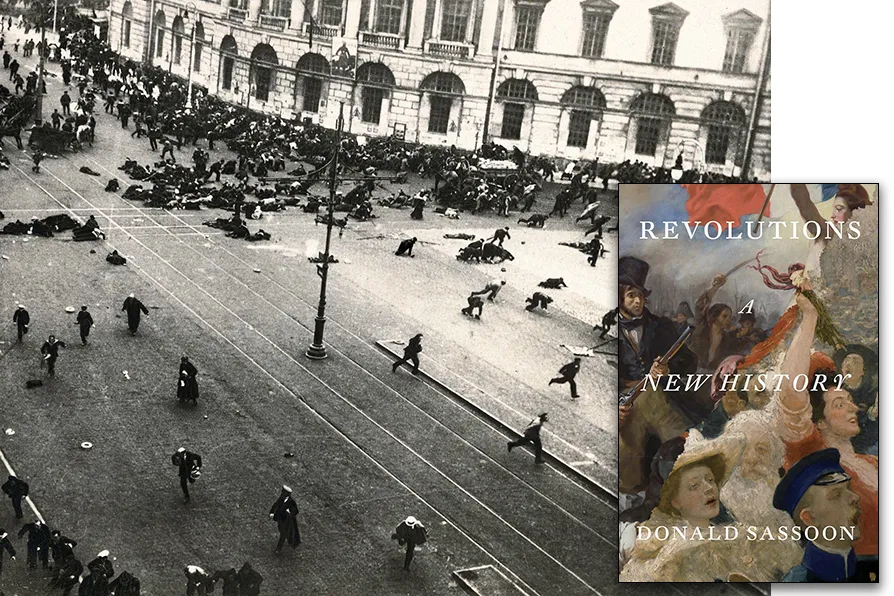
HENRY BELL follows the lineage of revolutions, from the English to the Chinese, and asks where revolutionary politics exists today

Peter Murrell’s weakness for the allure of prestige goods is symptomatic of modern consumer culture, says MATT KERR
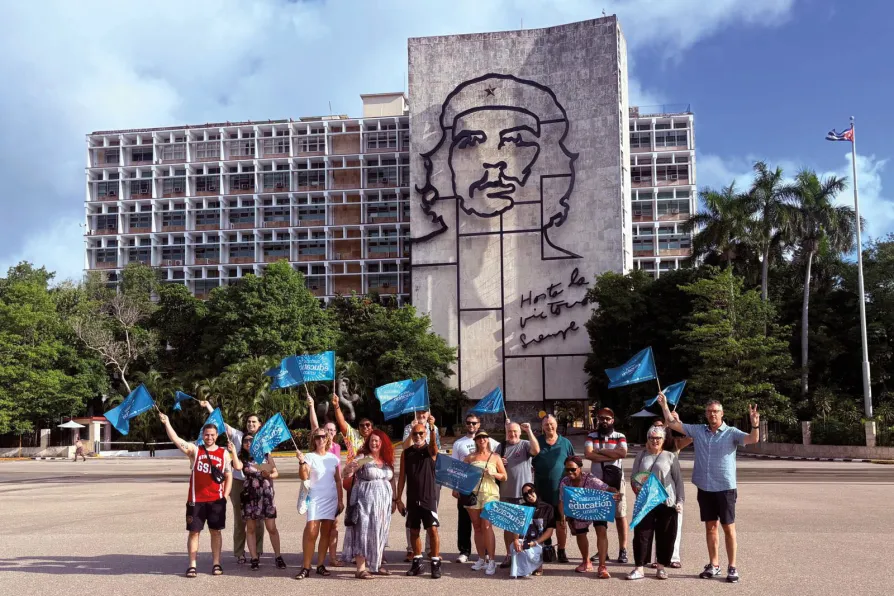
A teaching delegation to Cuba offered IAN DUCKETT a powerful glimpse into a schooling system defined by care, creativity and the legacy of the island’s remarkable 1961 literacy campaign
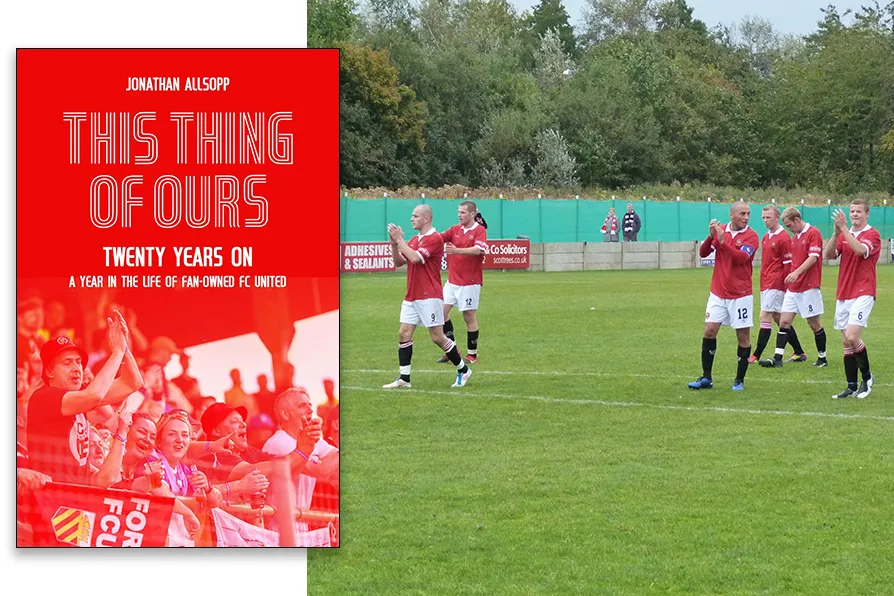
STEVEN ANDREW welcomes a fine introduction to FC United of Manchester, the team set up in opposition to Manchester United