To rescue Kahlo from the clutches of the corporate art market, we need to acknowledge the overt and covert political dimensions of the work, demands GAVIN O’TOOLE


 Latest editorial
Frantz Fanon and the mestizo novel
ANGUS REID deconstructs a popular contemporary novel aimed at a ‘queer’ young adult readership
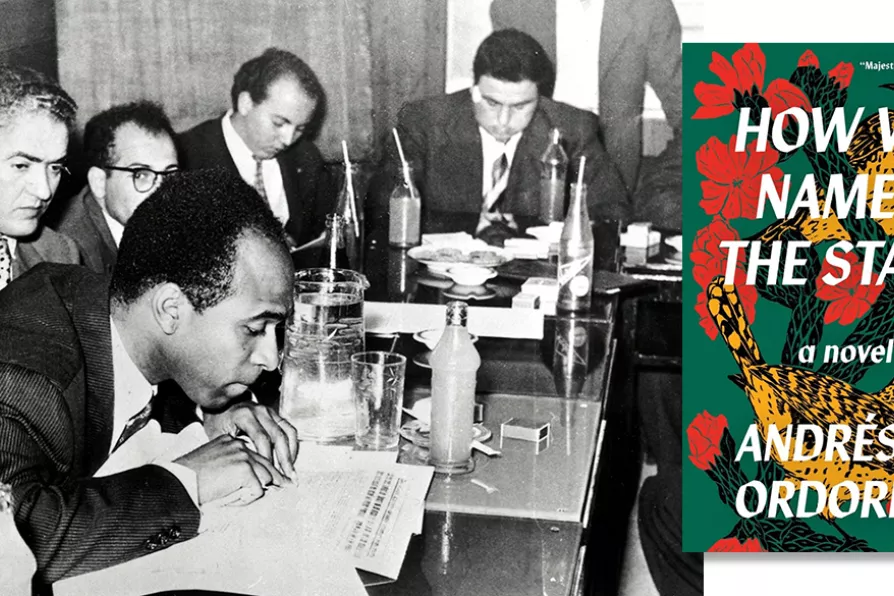 Frantz Fanon at a press conference during a writers' conference in Tunis, 1959
[Public Domain]
Frantz Fanon at a press conference during a writers' conference in Tunis, 1959
[Public Domain]
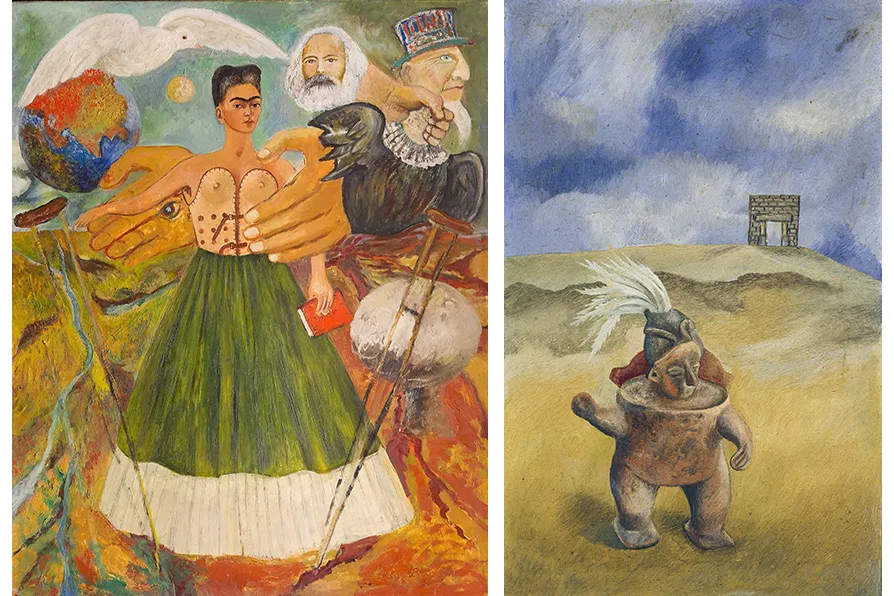
If you can see past the relentless commodification you will be rewarded by enormously powerful work, suggests JENNY MITCHELL
CHRIS SEARLE revels in the one-off collaboration between an American polymath and a British Muslim, and detects the presence of their revolutionary forebear
GORDON PARSONS revels in an ebullient production of Shakespeare’s magical comedy
BRENT CUTLER welcomes a thoughtful analysis of the Erdogan regime, viewed through the evolving history of a neighbourhood in Istanbul
GORDON PARSONS regrets the price, but is dazzled by an outstandingly ambitious study of the way art restoration in particular, and culture in general was weaponised by the Nazis





EVEN if Andres Ordorica’s Young Adult coming-out novel How We Named The Stars (Saraband, £10.99) didn’t mention Frantz Fanon, his shadow would fall across it.
It is a subjective account — like that template for YA fiction, Salinger’s The Catcher in the Rye — that describes a 19-year-old Mexican American’s tragic crush on a white room-mate in his first year at university. His parents are first generation Mexican immigrants, but his culture and language is entirely that of the contemporary US.
He is “brown,” but his crush is an amalgam of gay white stereotypes: “washboard” abs, square chin, blond hair, blue eyes, a “gazelle” in Nike sweatpants and Timberland trainers — less a person, in other words, than a poster and a clothes rack. This “white” object of desire is both idealised and commodified, a blank cipher into which, it is presumed, the adolescent gay reader, white or otherwise, can project their own desires and fantasies.

Similar stories
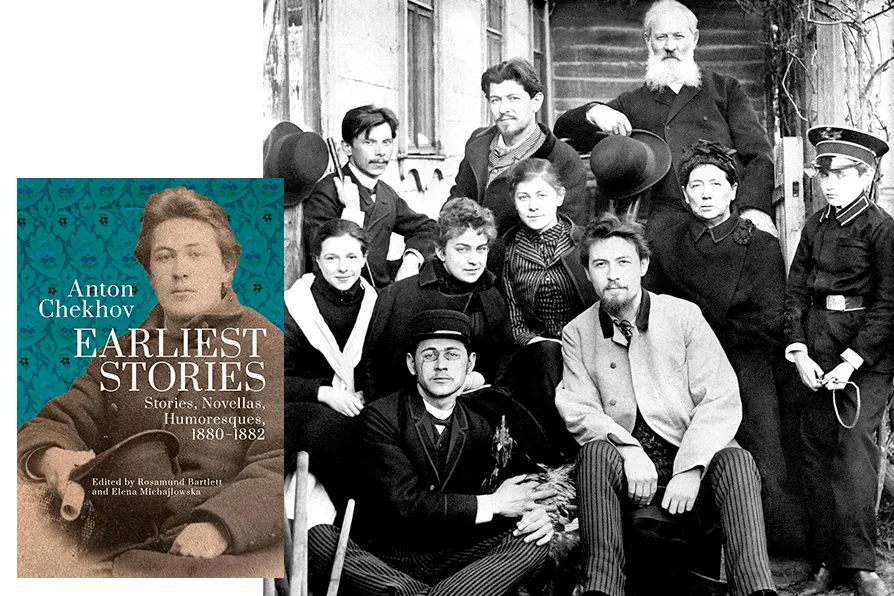
KEN COCKBURN guides us through a survey of Chekov’s early short fiction, and the groundwork it laid for his later masterpieces
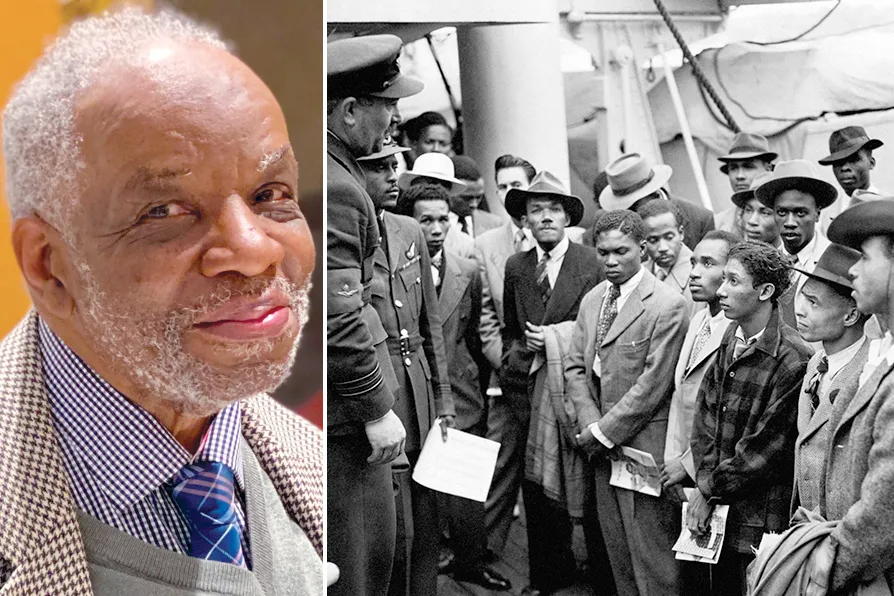
1943-2025: How one man’s unfinished work reveals the lethal lie of ‘colour-blind’ medicine
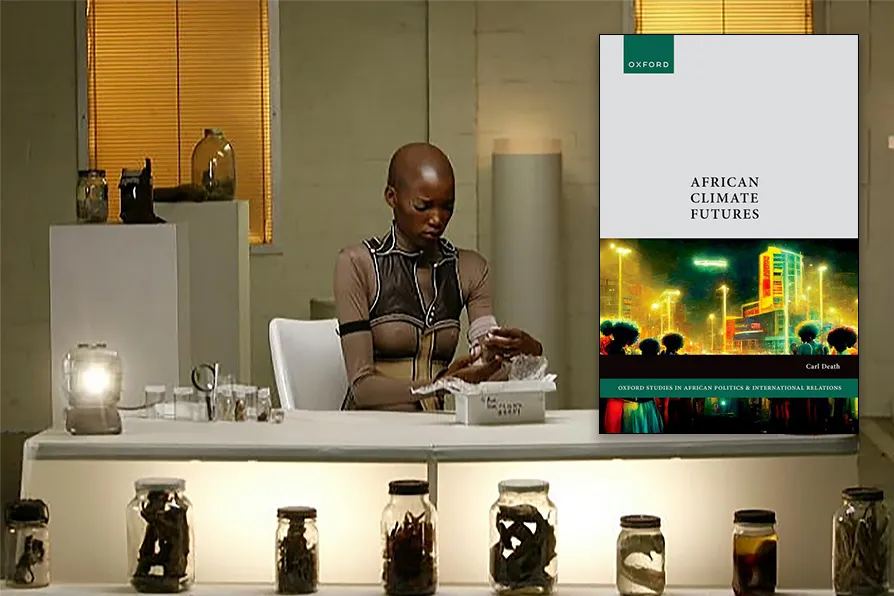
CARL DEATH introduces a new book which explores how African science fiction is addressing climate change
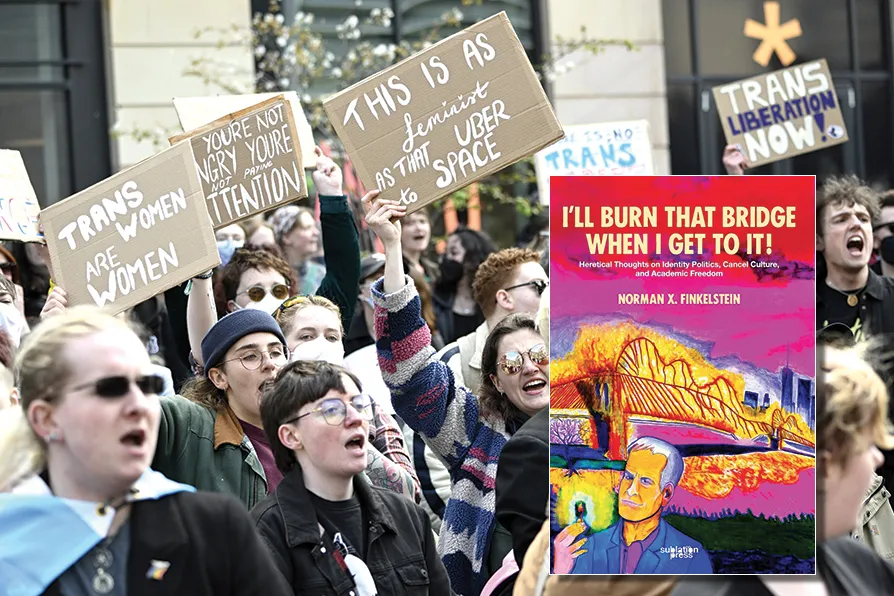
MARJORIE MAYO welcomes challenging insights and thought-provoking criticisms of a number of widely accepted assumptions on the left