As tens of thousands return to the streets for the first national Palestine march of 2026, this movement refuses to be sidelined or silenced, says PETER LEARY


 Latest editorial

The world wildlife trade regulator at 50
What has worked well – and what needs to change – for the convention that controls trade in endangered species? DAN CHALLENDER and MICHAEL ’T SAS-ROLFES explain
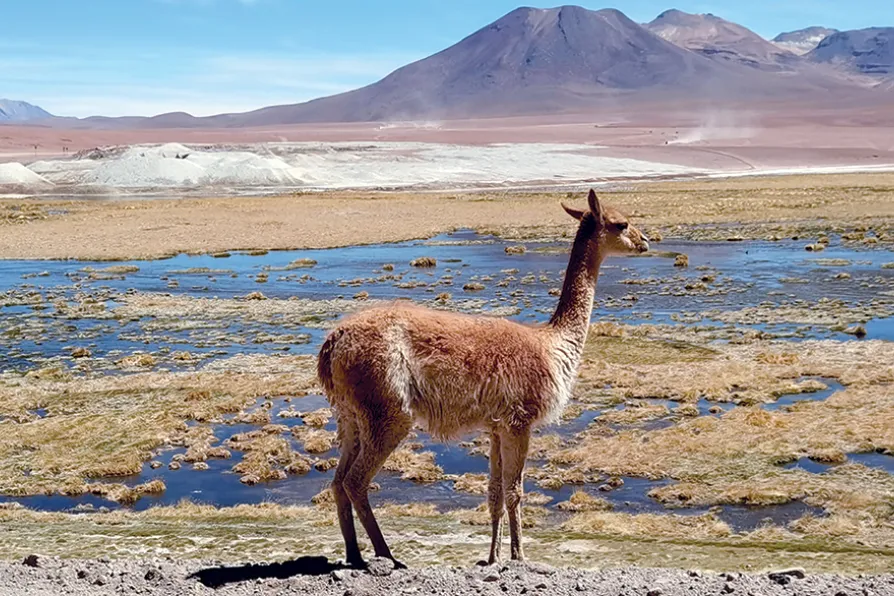 HABITAT SPECIFIC: A vicuna in the Chilean Altiplano
[PapiPijuan/CC]
HABITAT SPECIFIC: A vicuna in the Chilean Altiplano
[PapiPijuan/CC]

If the government really wanted to address public finances, improve living standards and begin economic recovery, it would increase its borrowing for investment, argues MICHAEL BURKE
MATT KERR takes a winter journey through poetry, labour and memory, from Glasgow to Newcastle, arguing that our radical past isn’t something to revere from a distance, but a tool still meant to be used
One of Canada’s most revered politicians is a native of Falkirk but is relatively unknown in his original homeland. KENNY MacASKILL tells his story
Labour prospects in May elections may be irrevocably damaged by Birmingham Council’s costly refusal to settle the year-long dispute, warns STEVE WRIGHT
HENRY FOWLER and ROB POOLE explain the significance of today’s Megapicket





HAVE you ever bought a souvenir from a local market on holiday? Or tried to travel overseas with a guitar? If so, you may have been stopped at the airport if your item contains animal or plant parts. This is because most countries, and also the EU, implement Cites, the Convention on International Trade in Endangered Species of Wild Fauna and Flora.
Cites is the main global agreement regulating international wildlife trade to ensure the protection of the 41,000 species covered by the convention. Under Cites, trade measures are established for species to ensure that international trade is legal and ecologically sustainable. For most species (96 per cent), this comprises close regulation of trade. For more threatened species (3 per cent), commercial international trade in wild animals and plants is banned (the remaining 1 per cent refers to a third category of species protected in at least one country).

Similar stories
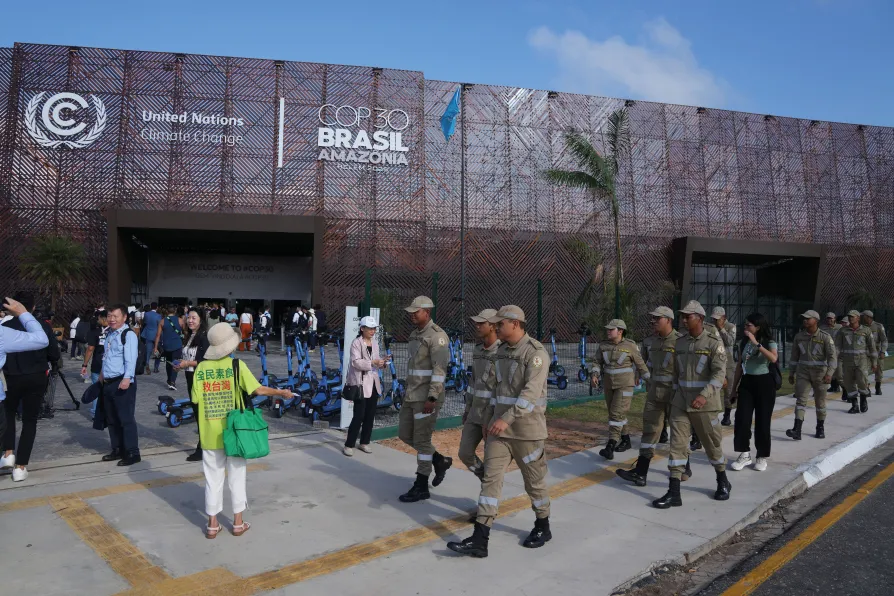
Reaching co-operation is supposed to be the beginning, not the end, of global climate governance, argues LISA VANHALA

ALASTAIR BONNETT reports on the paradoxes of populist attitudes towards protection of the natural world
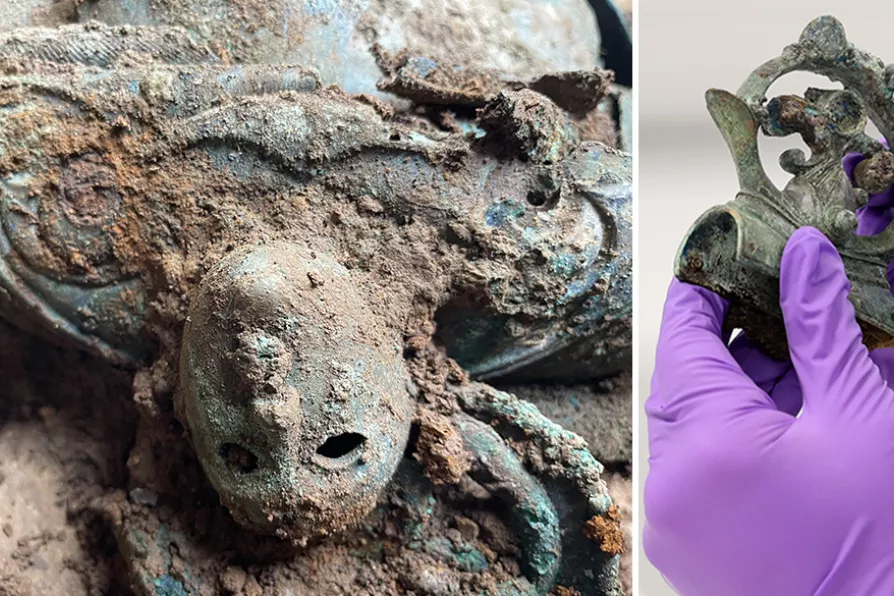
DUNCAN GARROW introduces a remarkable Iron Age discovery in Yorkshire that reveals ancient Britons’ connections with Europe
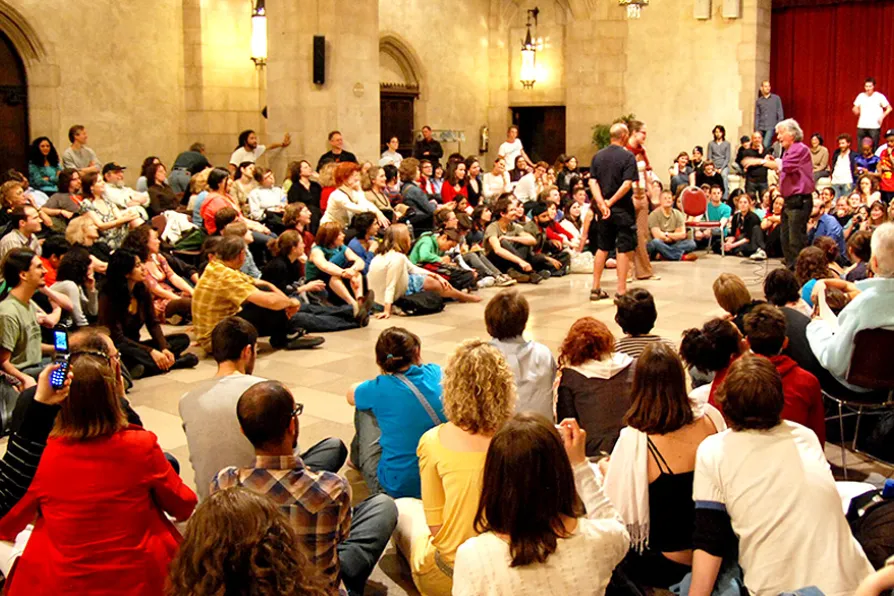
ANA ISABEL NUNES points to the empowering legacy of Augusto Boal’s Theatre Of The Oppressed