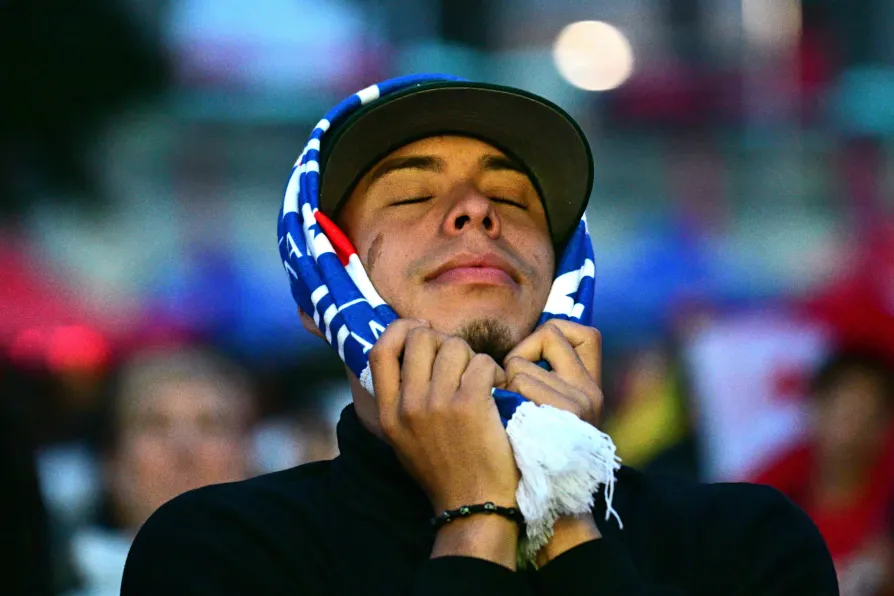
JAMES NALTON celebrates Ruben Blades’s song Patria – played before Panama’s game against Ghana — a song inspiring hope instead of hate


 Latest editorial
Error message
An error occurred while searching, try again later.World Cup hosts and the politics of power
As the 2026 tournament approaches, Fifa’s World Cup hosting controversies reach new extremes, writes JAMES NALTON
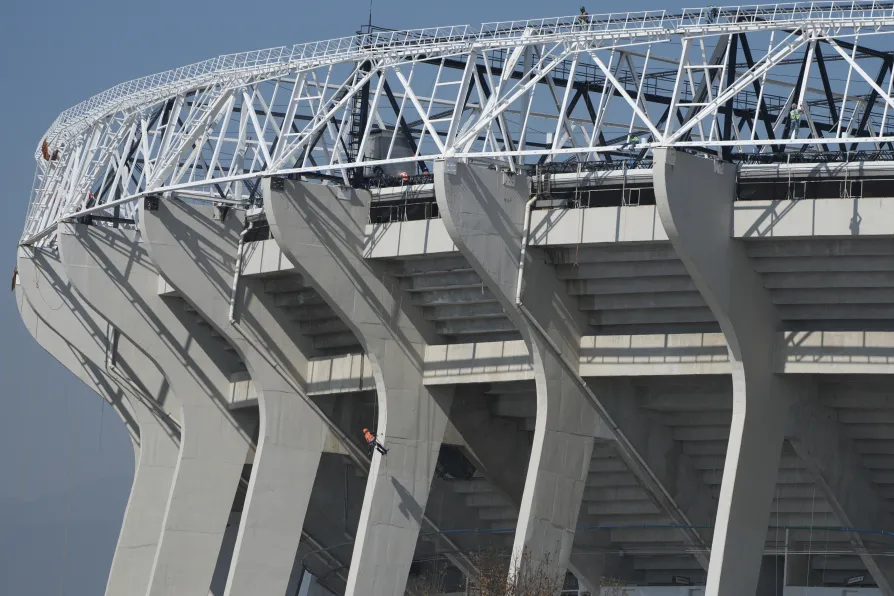 A worker paints a column of the Azteca Stadium 100 days before the opening ceremony of the 2026 FIFA soccer World Cup in Mexico City, March 3, 2026
Fifty years ago this month, Britain faced its hottest summer on record, as welterweight champion Stracey met his match in Mexico’s Palomino, writes JOHN WIGHT.
Including races at Newcastle, York and Chester





NOWADAYS, World Cup hosts always seem to come with forewarnings and concern, initially hushed and limited to the fringes of the sports media, before reaching various levels of being highlighted in the mainstream as the event approaches. One host country of the 2026 edition has been an extreme example of this.
We’re already seeing them as far ahead as 2034 and a Saudi regime that Fifa has long courted through its other tournaments and sponsorships. We’ve certainly seen it with the previous two editions.
Apparently, the only countries with the capacity and resources to host these big things in the present global system must have something unsavoury going on to have reached that level of this game in the first place. And this is how many of the world leaders’ egos will view it. A game to be played and won by them, regardless of the cost.
These things are so consequential that they affect other areas of life, especially sport, with its global involvement and tournaments involving participants from across the world.
An expanded World Cup, involving 48 teams in the final tournament for the first time, was always going to bring with it expanded geopolitical concerns, but this particular edition has taken these to the extreme, to the point where one qualified nation may now be unable to take part. You might think withdrawals and bans are a thing of the past, of early or mid-20th century tournaments when nations faced numerous issues, sporting, political, and travel-related, but issues remain in a world reflected in World Cups.
There are levels to the extremity of the actions of the nations that have bid to host the World Cup in recent years, but it can feel like Fifa has sought out and courted the worst characters in the most fawning fashion.
If it has done so in order to make its tournaments run smoothly, then surely the better approach would have been to not put itself in this situation in the first place, by not hosting its showcase events in these nations. The reality is that Fifa and its own would-be world leader, Gianni Infantino, have chosen these places with purpose.
The thinking behind the choices is, predictably, their wealth, or in the case of the United States, Fifa’s desire to participate at the top end of sports entertainment capitalism. It comes with the acceptance of extortionate ticket pricing, uses the country’s reliance on car transport to hike parking prices and facilitates the introduction of ad-breaks in the middle of each half, splitting football matches into quarters for dollars.
The United States might at first have appeared more palatable to the Western media than Russia and Qatar and in some quarters this is a line still pushed, mainly because those who partake in this system that favours billionaires now own the majority of the media, but in truth the 2026 co-host has emerged as one of the worst hosts for a sporting event involving nations from around the world.
Some versions of the human rights issues seen at previous tournaments also exist in the United States, especially as laws differ between states. This remains an issue regardless of what came next, as seen with the actions of police and ICE in recent years, but the US brought new political baggage with its stringent travel bans and, most recently, along with its ally Israel, with the kind of international aggression for which Fifa eventually banned Russia.
We have previously covered the issues around Iran’s qualification, and the problems and potential problems when it came to the team, its staff, and fans travelling to the US. Their status as one of the first teams to confirm their qualification for the World Cup immediately raised the problem of hosting a global tournament in the US, with its travel bans and visa restrictions, but things have escalated further.
The attack on Iran by the US and Israel would appear to make it impossible for Iran to travel to the US for the World Cup. We find ourselves in a situation where a host of Fifa’s World Cup is bombing one of the nations taking part. This is the same Fifa that made up a “peace prize” to award to Donald Trump, which now looks even more ridiculous than it did at the time.
Not only is sport affected by global military aggression and geopolitical maneuvering, but it is also intertwined in the politics of the countries behind it.
The use and involvement of sport is becoming less and less “sportswashing” and more and more blatant endorsement of the actions of some nations that are themselves doing nothing to hide their motives.
Inter Miami, 2025 MLS Cup winners, were recently invited to the White House, where they stood behind Trump. In some moments, they joined in with applause for him, as he spoke about bombing Iran and planning to invade Cuba. Whether they knew what they were applauding or not, it was still a notable image, especially with one of the biggest global sports stars of all time, Lionel Messi, among them.
It was reminiscent of a similar moment involving the American players from the Italian team Juventus last year.
Russia hosted the Fifa World Cup in 2018, and four years later, it was banned from competing in Fifa tournaments altogether. There is a strong argument to say that similar action should now apply to the US, but if the example of Israel is anything to go by, Fifa does not apply these sanctions consistently.
The nation led by the inaugural Fifa Peace Prize winner is unlikely to be banned anytime soon, regardless of its aggressive actions and threats across the world. It, along with its Middle Eastern ally, acts with apparent immunity in sport and in the wider world.