Newly revealed documents reveal that MI5 taught Brazilian secret police the techniques deployed by the 1964-85 military dictatorship in horrific prisons like Rio de Janeiro’s House of Death. SARA VIVACQUA reports


 Latest editorial

Women to the Front: The Unsung Heroes of Britain’s War Effort
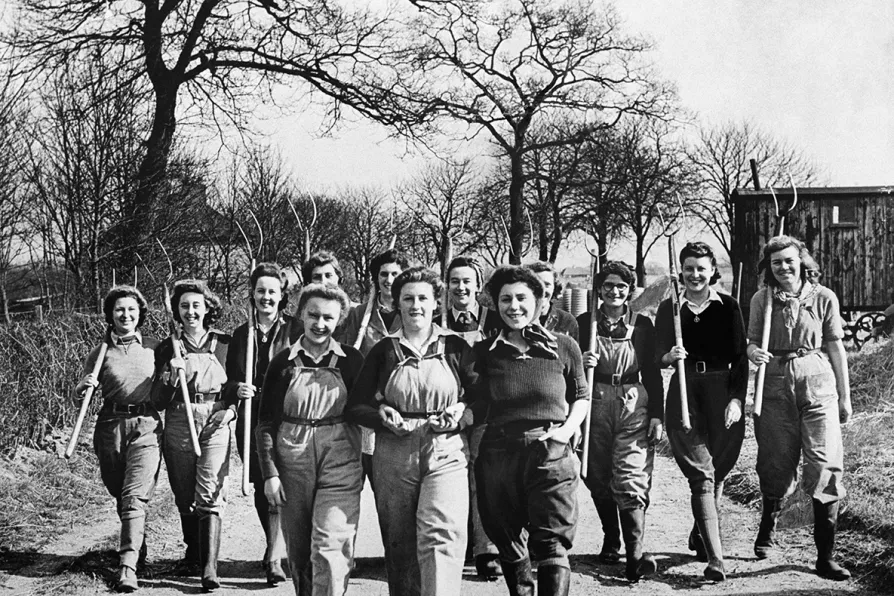 Members of the Women's Land Army from various parts of the country, November 1, 1943
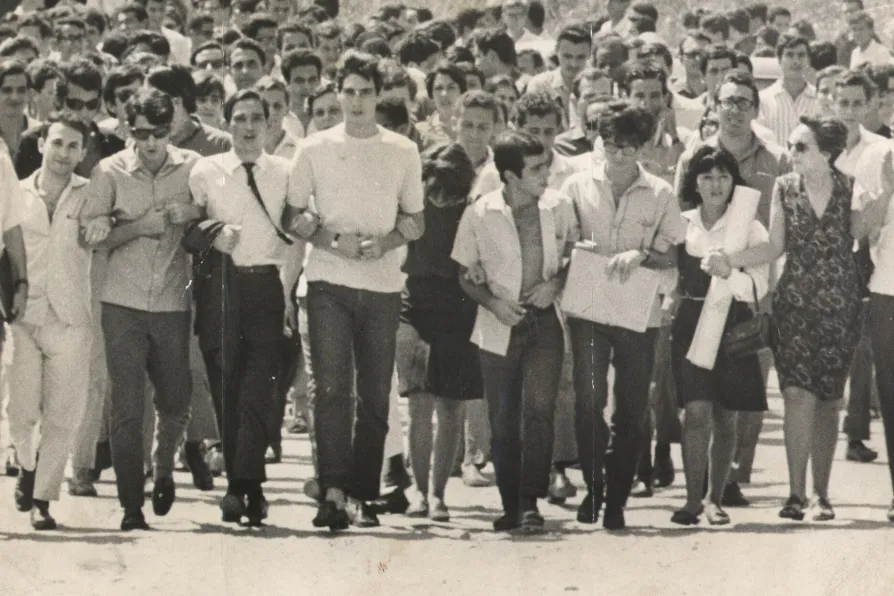
CHRISTOPHE DOMEC speaks to the France Insoumise politician facing constant persecution from French authorities
It can be hard to discern conspiracy theory from reality and under the Trump regime the two might just be the same thing, writes Linda Pentz Gunter
ALAN SIMPSON says responses to the Golders Green attacks risk deepening divides across our country
Capturing the general strikes history is a vital part of our struggles today, posits HENRY FOWLER
On a tumultuous day in Welsh politics DAVID NICHOLSON looks at the key issues for progressives in Wales to grapple with the rise of the far right





Nowhere was the transformation of wartime Britain more dramatic than in the role of women. From factory floors to front lines, they shattered barriers and rewrote the rules of society.
Hundreds of thousands stepped into roles unthinkable a decade earlier — civil defence volunteers, air raid precautions officers, Auxiliary Fire Service firefighters, and local defence recruits.
The 80,000-strong Women’s Land Army became the lifeline of a nation under siege, working the fields to stave off starvation as U-boats choked food imports. Without them, Britain would have faltered.
While British women were not permitted to serve as front-line combat gunners during WWII, they played a vital anti-aircraft (AA) function that blurred traditional battle lines. Auxiliary Territorial Service (ATS) assigned women to mixed-gender AA batteries from 1941 onward. Though barred from firing guns (a rule relaxed later), they operated range-finders, spotlights, and radar systems to target Luftwaffe bombers.
By 1943, nearly 90 per cent of single women and 80 per cent of married women were employed in factories, farms, or the armed forces. They operated signals networks, managed logistics, and even infiltrated enemy lines as spies.
The BBC later hailed Nancy Wake, the fearless SOE agent known to the Gestapo as “the White Mouse,” who led 7,000 French Resistance fighters in 1944. Decorated with the George Medal, the Croix de Guerre (three times), and the Legion of Honour, she embodied the audacity of women who took the fight behind the lines.
Factories, Feminism, and Fighting Back
In workshops and shipyards, women proved they could master any trade. By 1944, 85 per cent of female engineering workers were classed as skilled or semi-skilled — a seismic shift.
Communists pushed unions to admit women with big breakthroughs in the TGWU and engineering ASE, while a new generation of working-class female activists revitalised the labour movement.
They drove trams, operated lathes, and built tanks, demanding equal pay and safer conditions.
Workplace nurseries and canteens flourished, as unions finally addressed women’s needs.
Muriel Coult and Dora Russell were experienced and dedicated communist nurses. Russell was instrumental in organising nurses and fighting for better working conditions in the 1930s and 1940s.
She went on to form the Association of Nurses. She wrote, ”Nurses weren’t ‘angels’ — they were workers, exploited and exhausted. We unionised to demand dignity.”
Thora Silverthorne, another leading communist nurse, formed the National Nurses Association in 1937 and as a strong public advocate of state-funded healthcare, is credited as a founding influence on the NHS.
The Women’s Voluntary Service (WVS) exemplified this spirit. Unpaid but unstoppable, they ran hostels, fed the bombed-out homeless, and even orchestrated D-Day logistics.
Others took charge of government ministries, proving that leadership had no male monopoly or boundaries.
This was no temporary change. The war forced society to confront its prejudices — and women never looked back. Their fight didn’t end in 1945; it laid the groundwork for the feminist battles to come.
Joan Quennell, WLA veteran (quoted in BBC’s People’s War, 2005), said: “The Land Army didn’t just grow crops — it grew a new kind of woman.”
Similar stories
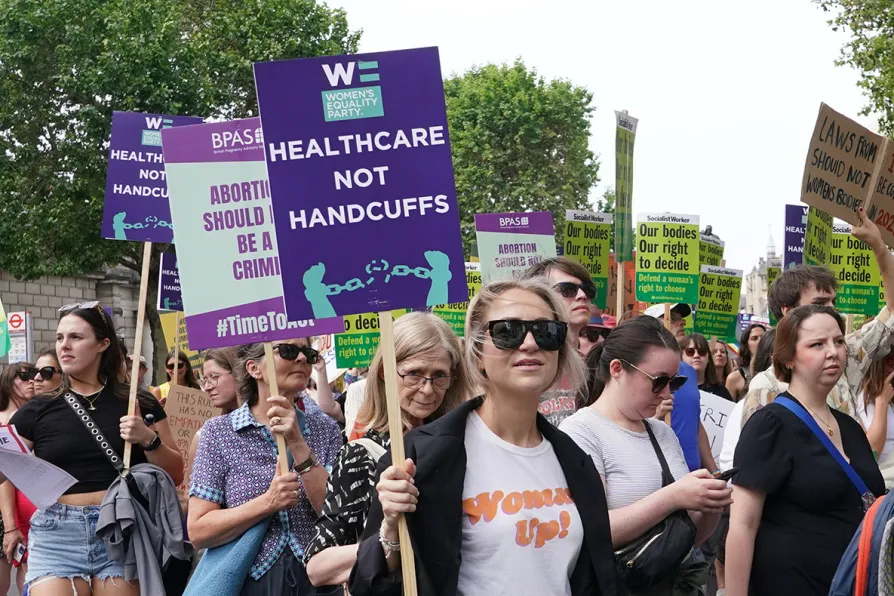
Professor MARY DAVIS argues that feminism has been hollowed out by liberal co-option – and only a revival of socialist, class-based politics can restore International Working Women’s Day’s original, radical purpose
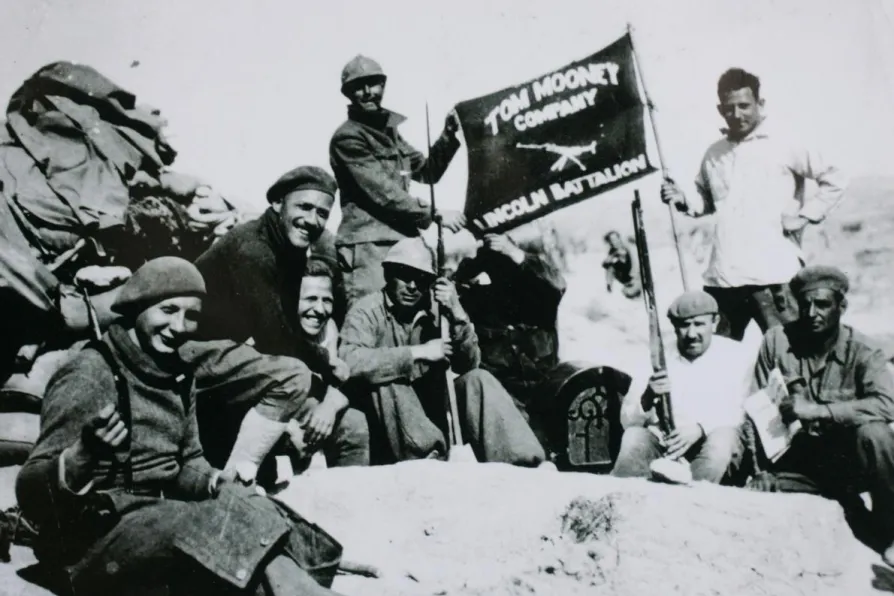
CJ ATKINS commemorates one of the most dramatic moments in working-class history
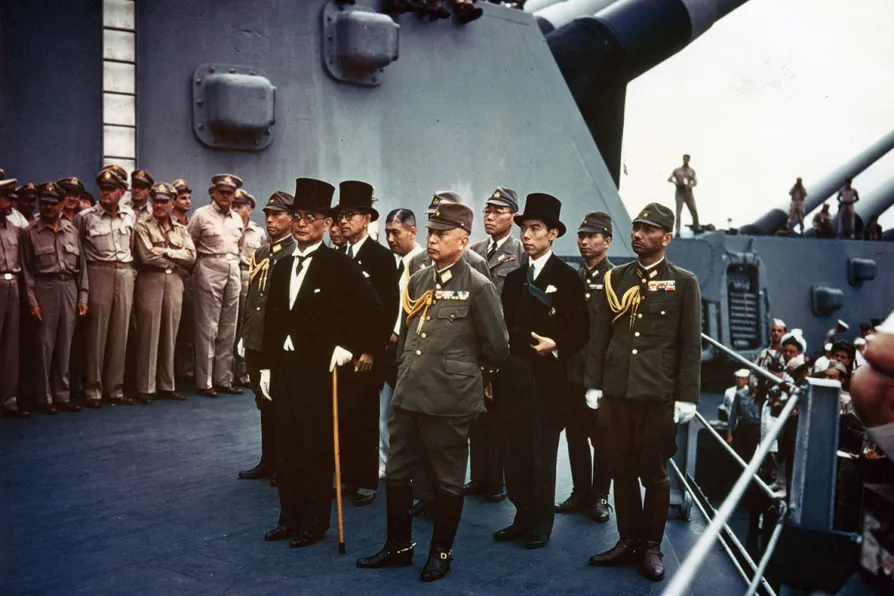
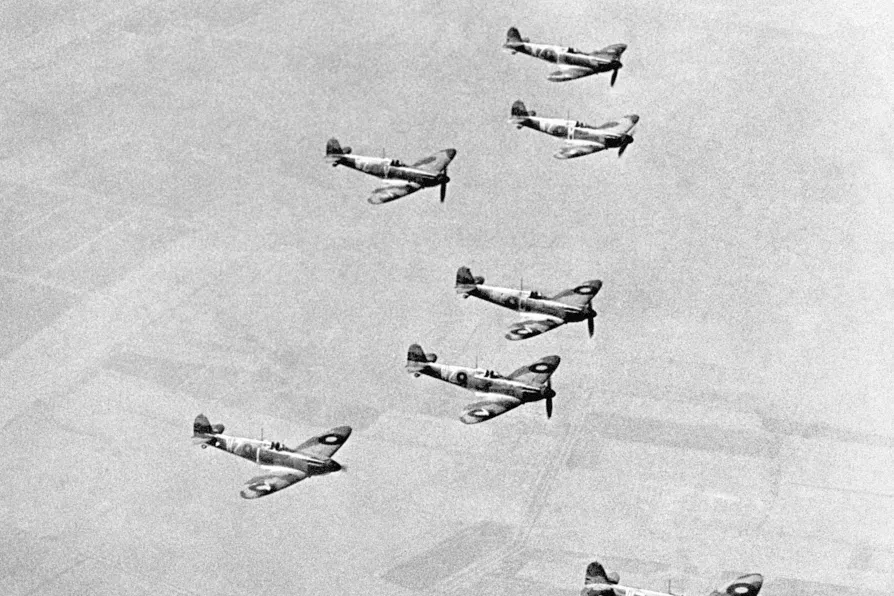
MAT COWARD tells the extraordinary story of the second world war Spitfire pilot who became Britain’s most famous Stalag escaper, was awarded an MBE, mentored a generation of radio writers and co-founded a hardline Marxist-Leninist party