All the evidence shows voters want Labour to shift to the left — but initial signs from Andy Burnham are worrying on that front, cautions DIANE ABBOTT


 Latest editorial
Where is the US economy headed?
Trump's populist promises for national economic recovery ‘by us, for us’ is about to crash onto the rocks of reality, writes ZOLTAN ZIGGEDY
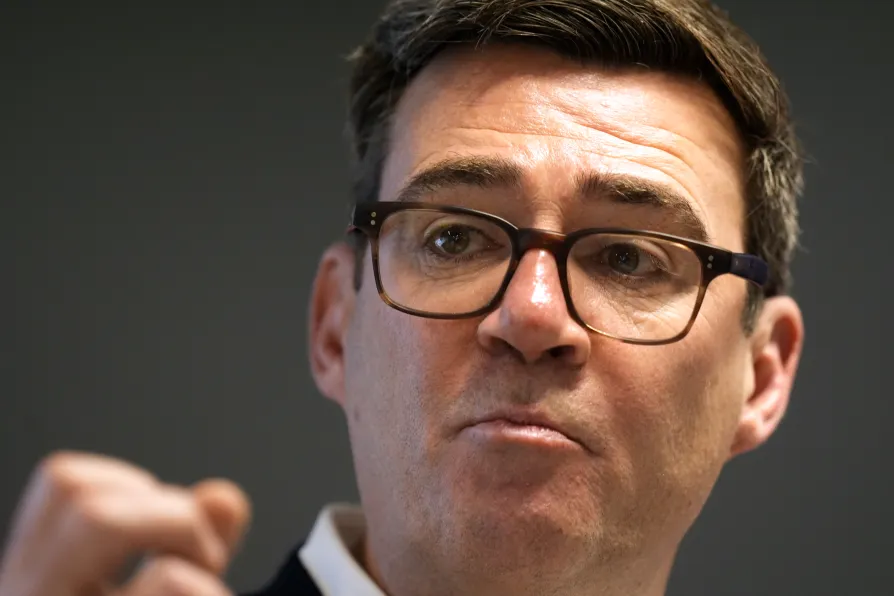
ANDY McDONALD MP says Labour must show it is capable of delivering real improvements in people’s lives — bold action is required
ANGUS REID and ANDREW JOHNSTONE report on an initiative that we must take this summer
ALLISON FEWTRELL on what Plaid Cymru's historic election victory means for the communities being failed by Wales’s housing crisis, and four things the new government can do right now
France Insoumise MP JEROME LEGAVRE speaks to Christophe Domec on building the Europe-wide peace movement that came together in the International Conference Against War last weekend
At last weekend’s International Conference Against War, LINDA PENTZ GUNTER talks to the Palestinian physician and politician about the struggles ahead to achieve a truly free Palestine




HEADLINES such as “World stocks fall to two-year low” that appeared in the Wall Street Journal recently have many wondering if the tepid recovery from the 2007-8 crash is finished.
Since midsummer, the Shenzhen Composite, FTSE 100, Stoxx Europe 600 and other benchmark exchanges have steadily declined, with the US Standard and Poor’s joining them over the last few weeks.
As author Akane Otani notes, “After a punishing October, major indices in Europe, Japan, Shanghai, Hong Kong, Argentina and Canada are languishing in correction territory — a drop of at least 10 per cent from a recent high. The US is teetering on the edge of joining its peers …”
Like gross domestic product (GDP) and the unemployment rate, composite equity performance is a limited measuring stick of the economy’s health, though it is favoured by popular mainstream pundits and celebrity economists. As such, all three become the grist for the bourgeois political mill. Invariably, they soon obscure more than they enlighten.
So what do the markets tell us?
Similar stories
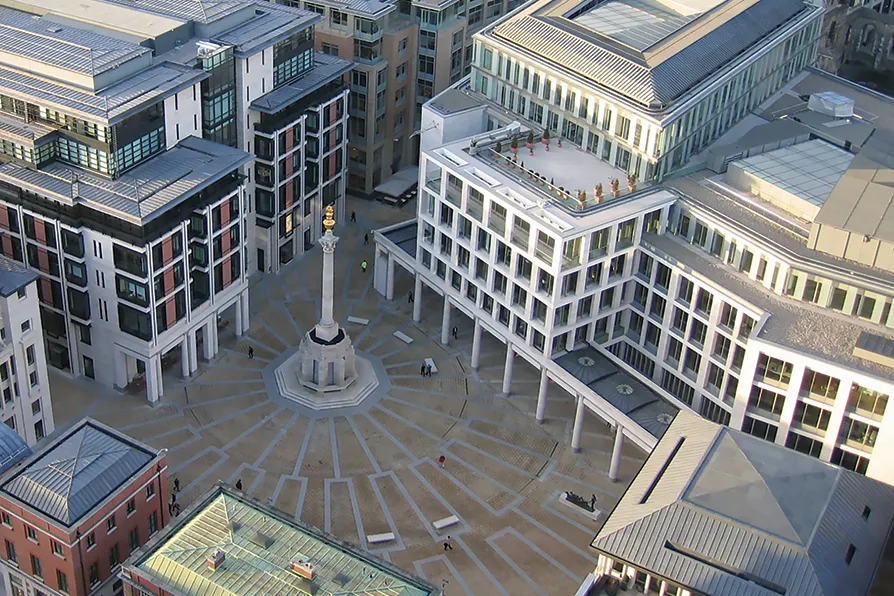
If the government really wanted to address public finances, improve living standards and begin economic recovery, it would increase its borrowing for investment, argues MICHAEL BURKE

Western nations’ increasingly aggressive stance is not prompted by any increase in security threats against these countries — rather, it is caused by a desire to bring about regime changes against governments that pose a threat to the hegemony of imperialism, writes PRABHAT PATNAIK

It’s the dramatic rise of China with its burgeoning economy that has put the Trump administration into a frenzy – with major implications both at home and abroad, argues MICHAEL BURKE