All the evidence shows voters want Labour to shift to the left — but initial signs from Andy Burnham are worrying on that front, cautions DIANE ABBOTT


 Latest editorial
Tomorrow’s food crises will need new solutions
The key is to put safety, sustainability and accountability at the centre of the conversation, says ALAN SIMPSON


ANDY McDONALD MP says Labour must show it is capable of delivering real improvements in people’s lives — bold action is required
ANGUS REID and ANDREW JOHNSTONE report on an initiative that we must take this summer
ALLISON FEWTRELL on what Plaid Cymru's historic election victory means for the communities being failed by Wales’s housing crisis, and four things the new government can do right now
France Insoumise MP JEROME LEGAVRE speaks to Christophe Domec on building the Europe-wide peace movement that came together in the International Conference Against War last weekend
At last weekend’s International Conference Against War, LINDA PENTZ GUNTER talks to the Palestinian physician and politician about the struggles ahead to achieve a truly free Palestine





LEAKED papers from the EU-Latin America (Mercosur) trade negotiations have set alarm bells ringing.
The EU offer to allow an extra 70,000 tons of beef imports a year is worrying because of the absence of any environmental standards or (enforceable) “precautionary principles” (about food safety) attached to it. We’ve been here before.
Earlier this year the scandal about Brazilian “rotten food” triggered an international ban on their beef and chicken exports. China, Japan and Hong Kong led the way, with the EU being not far behind.

Similar stories

While politicians fixate on defence budgets, the real answers lie in peace-building and economic justice, says ALAN SIMPSON

As the dollar falters and US power turns predatory, Britain and Europe must abandon transatlantic illusions and build a collectivist alternative before the system implodes, writes ALAN SIMPSON
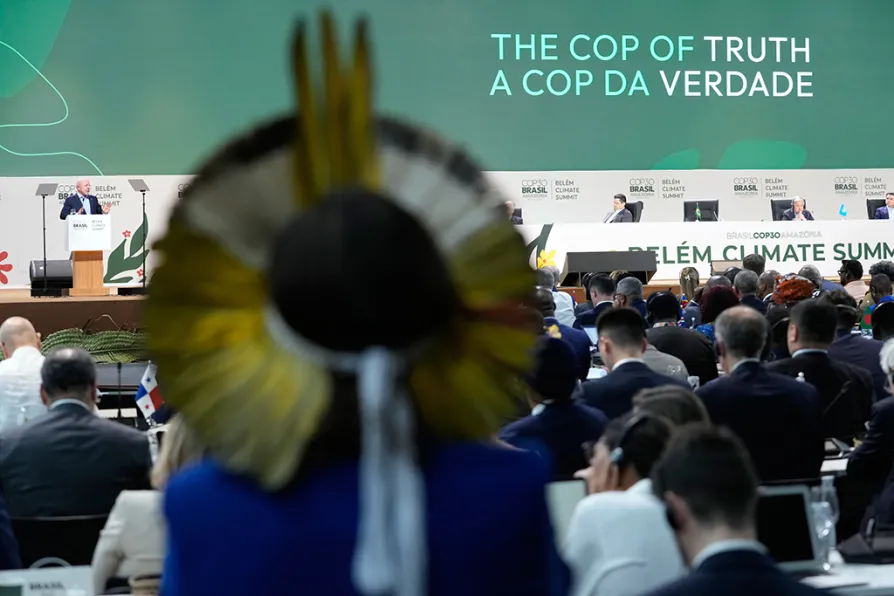
From summit to summit, imperialist companies and governments cut, delay or water down their commitments, warn the Communist Parties of Britain, France, Portugal and Spain and the Workers Party of Belgium in a joint statement on Cop30
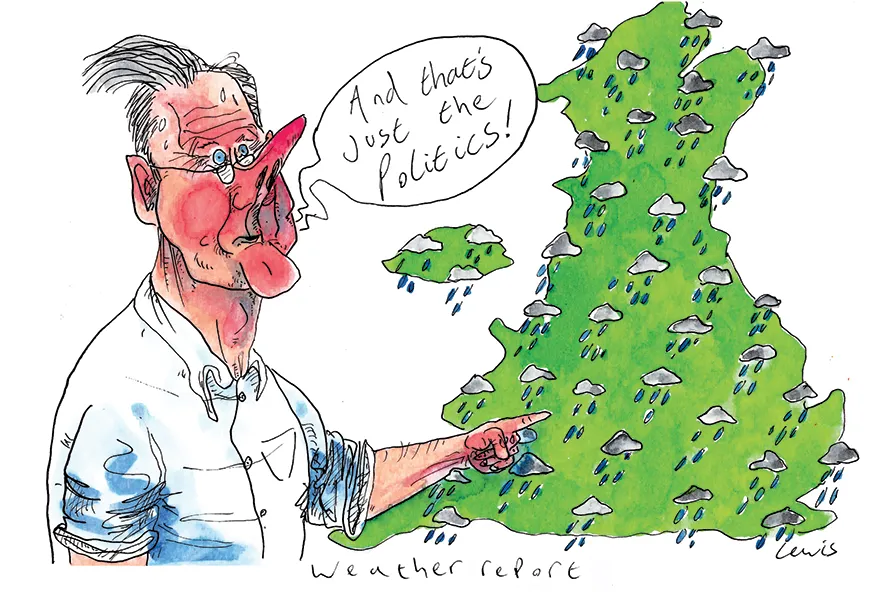
The collapse of the Atlantic Meridional Overturning Circulation poses an existential threat — but do today’s politicians have the capacity to deliver the more resilient and sustainable economics of tomorrow, wonders ALAN SIMPSON