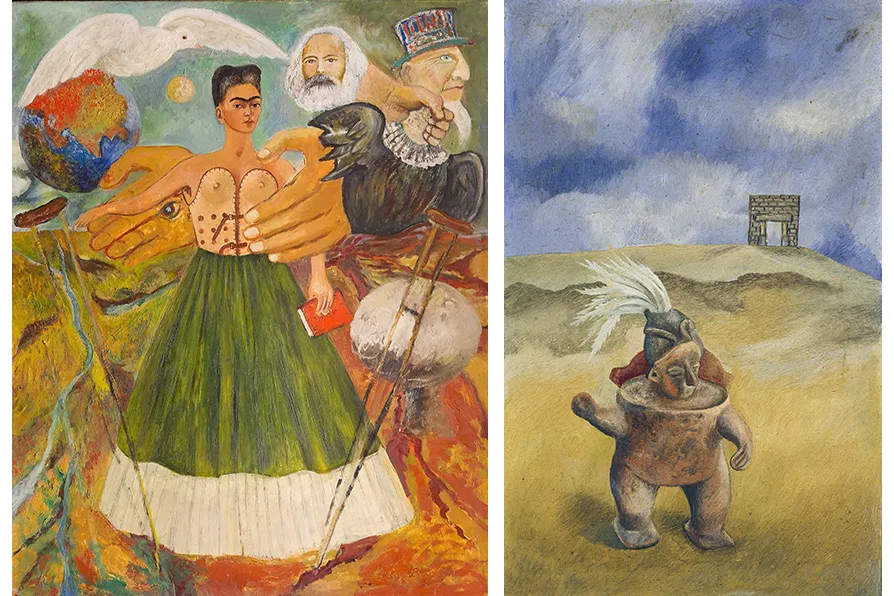
To rescue Kahlo from the clutches of the corporate art market, we need to acknowledge the overt and covert political dimensions of the work, demands GAVIN O’TOOLE


 Latest editorial
Error message
An error occurred while searching, try again later.‘Things haven’t changed for the better. If anything more people have fallen into severe poverty’
PAUL FOLEY speaks to Mark Calvert, director of I, Daniel Blake before a new tour
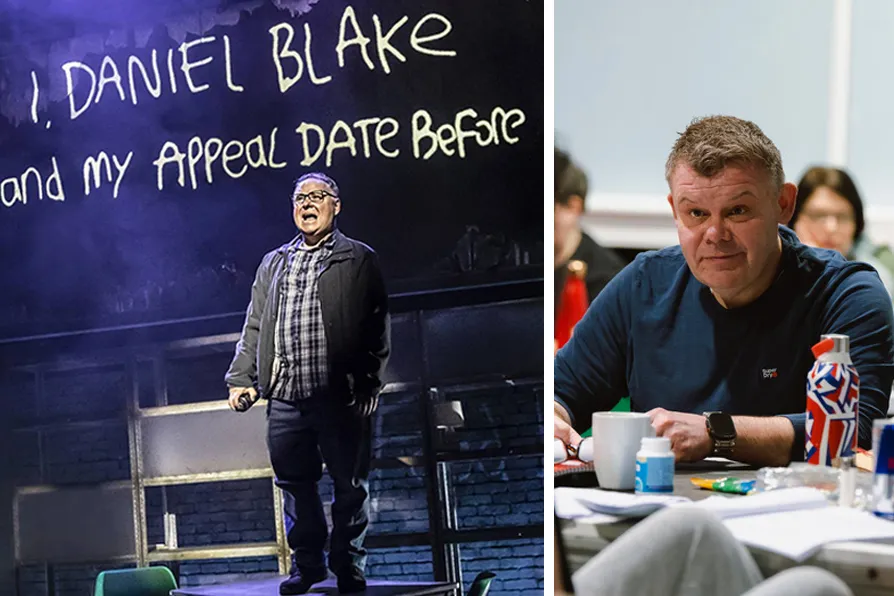 (L) David Nellist as Daniel Blake; (R) Director Mark Calvert [Pic: Pamela Raith Photography/Northern Stage]
If you can see past the relentless commodification you will be rewarded by enormously powerful work, suggests JENNY MITCHELL
CHRIS SEARLE revels in the one-off collaboration between an American polymath and a British Muslim, and detects the presence of their revolutionary forebear
GORDON PARSONS revels in an ebullient production of Shakespeare’s magical comedy
BRENT CUTLER welcomes a thoughtful analysis of the Erdogan regime, viewed through the evolving history of a neighbourhood in Istanbul
GORDON PARSONS regrets the price, but is dazzled by an outstandingly ambitious study of the way art restoration in particular, and culture in general was weaponised by the Nazis




IN 1942, two of the five “giants” identified by Beverage as needing urgent attention were poverty and unemployment. His report said the introduction of a universal unemployment and sickness benefit scheme would ensure that no-one fell into poverty. Yet since its introduction after the war, successive governments have repeatedly looked for ways to cut and restrict access to welfare payments.
Ken Loach’s 2016 Palme D’Or winning film I, Daniel Blake graphically portrayed the desperate lives of those caught up in the quagmire of a benefit system that has little to do with welfare. In 2023 Northern Stage theatre company took Davy Johns’s powerful stage adaptation of the film on the road highlighting the real cost of poverty for the sick, disabled and unemployed.
Despite Starmer’s promise of change, the Labour government has continued the Tory war on those having to access benefits, ensuring that more and more people fall through the threadbare safety net. The benefits crisis has deepened so much that Northern Stage are once again embarking on a countrywide tour of the play.
What, if anything, had changed from 2023?
“Unfortunately,” says Calvert, “things haven’t changed for the better. If anything more people have fallen into severe poverty. Labour’s attack on the disabled has made things worse. The message is even more stark. We are all just a couple of pay cheques away from a crisis, as faced by Dan and Katie in the play.”
In Newcastle, Calvert’s home city, the number of people using foodbanks has increased enormously over recent years. At a drop-in centre in St James’ Church there are many tables laid out with food and hygiene donations as well as numerous advisers available to help people just trying to survive.
This resource relies completely on volunteers and yet politicians of all parties have normalised these arrangements, turning them into a virtue. This hypocrisy infuriates Calvert and clearly demonstrates the need to take the play back out to towns and cities across the country.
He recognises the real structural difference between film and stage. Therefore, to enhance its dramatic impact, the play incorporates social media posts, public comments from politicians and banner headlines to challenge audiences to make up their own minds between fact and fiction. He argues that for years governments have claimed that the welfare system is not fit for purpose. Starmer has gone so far as to say it is morally bankrupt. But no government has tried to fix it. The only response has been to cut funding further.
During the 2023 tour Calvert was amazed at the anger it generated within audiences, even in fairly affluent areas like Oxford. Every night the show received standing ovations. With this tour he is unsure how audiences will react. The world has become more dangerous, people are feeling very insecure and fear is the go-to emotion. Unfortunately those mired in the benefits’ trap are forgotten. This makes it even more important to get the play back out and into communities.
We move on to discuss the importance of political theatre. In the 1970s and ’80s political theatre had a huge campaigning role for peace and for political change. Now in the 21st century this seems to have disappeared.
Calvert bemoans the fact that theatre companies are reluctant to take a risk with work that might be deemed political or controversial. This, he says, has been even worse since the pandemic where theatre companies are still trying to rebuild audiences and are settling for safer options.
There is also fear in the industry that anything too political or controversial may lead to funding cuts. He has nothing but praise for Northern Stage who, twice now, have put its full weight behind I, Daniel Blake and created a national platform for the voiceless.
And what next?
While the project is at an early stage Calvert says that he and Davy Johns are hoping to adapt another Loach film, The Old Oak, for the stage. This is another ambitious project, taking the plight of migrants, refugees and asylum-seekers to communities around the country, and is not only brave but essential.
I, Daniel Blake plays at Citizens Theatre Glasgow April 7-11; The Dukes Theatre Lancaster April 14-18; HOME Manchester April 21-25; Leeds Playhouse April 28 to May 9. For more information see: northernstage.co.uk