All the evidence shows voters want Labour to shift to the left — but initial signs from Andy Burnham are worrying on that front, cautions DIANE ABBOTT


 Latest editorial
Their ‘mobs’ and our protests: knowing the difference
EP Thompson opposed romanticising riots, but the democratic intent of Palestinian protests is evident – which is why the powers that be really hate them. Looking at history, from the Chartists to today, they always have, explains KEITH FLETT
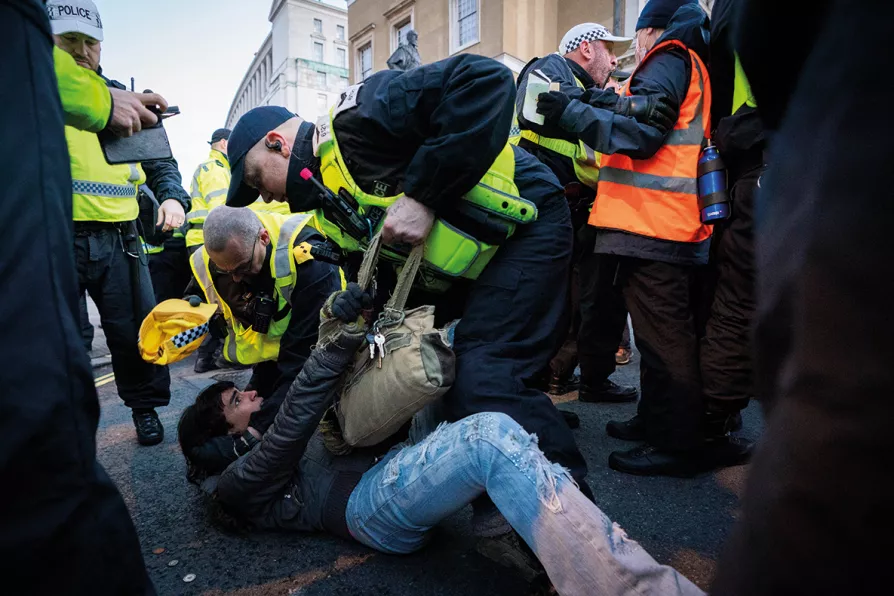 A young protester is pounced on by police officers on Whitehall, December 2023

ANDY McDONALD MP says Labour must show it is capable of delivering real improvements in people’s lives — bold action is required
ANGUS REID and ANDREW JOHNSTONE report on an initiative that we must take this summer
ALLISON FEWTRELL on what Plaid Cymru's historic election victory means for the communities being failed by Wales’s housing crisis, and four things the new government can do right now
France Insoumise MP JEROME LEGAVRE speaks to Christophe Domec on building the Europe-wide peace movement that came together in the International Conference Against War last weekend
At last weekend’s International Conference Against War, LINDA PENTZ GUNTER talks to the Palestinian physician and politician about the struggles ahead to achieve a truly free Palestine





THE right-wing media is full of bellicose Tories, including the Prime Minister, who say that Palestinian protests are “aggressive mobs” that are apparently threatening democracy. Yet more measures are planned to “crack down” on protest, except for ones that the Tories support such as farmers, of course.
Before she was sacked as home secretary, Suella Braverman said Palestinian protests were “hate marches” and protesters an “intimidating mob,” which is also what the reactionary thinker Edmund Burke said about the French revolution.
She then summoned up far-right groups who duly appeared and attacked police at the Cenotaph on Armistice Day. Meanwhile, crowds of many hundreds of thousands have continued to march peacefully calling for a ceasefire in Gaza in central London.

Similar stories
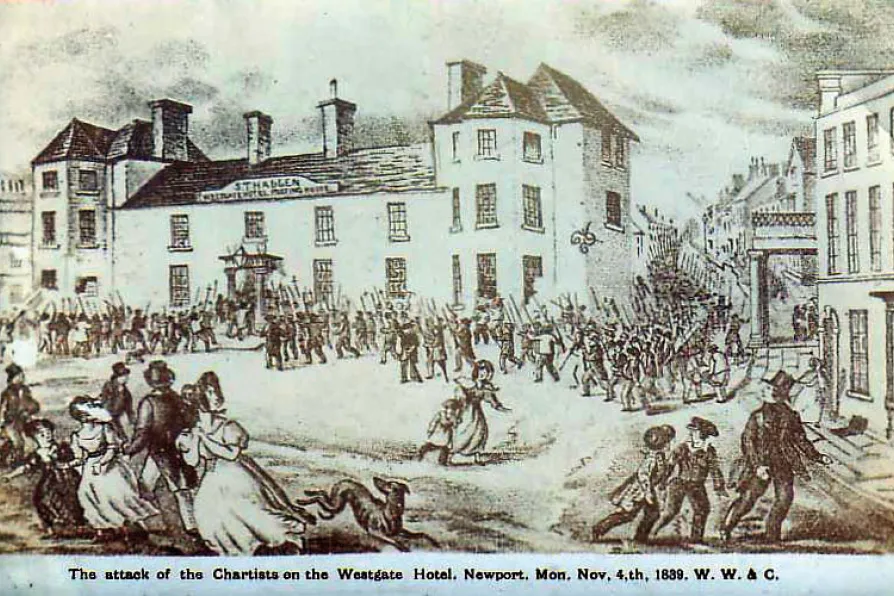
It’s not just the Starmer regime: the workers of Britain have always faced legal affronts on their right to assemble and dissent, and the Labour Party especially has meddled with our freedoms from its earliest days, writes KEITH FLETT

Who you ask and how you ask matter, as does why you are asking — the history of opinion polls shows they are as much about creating opinions as they are about recording them, writes socialist historian KEITH FLETT
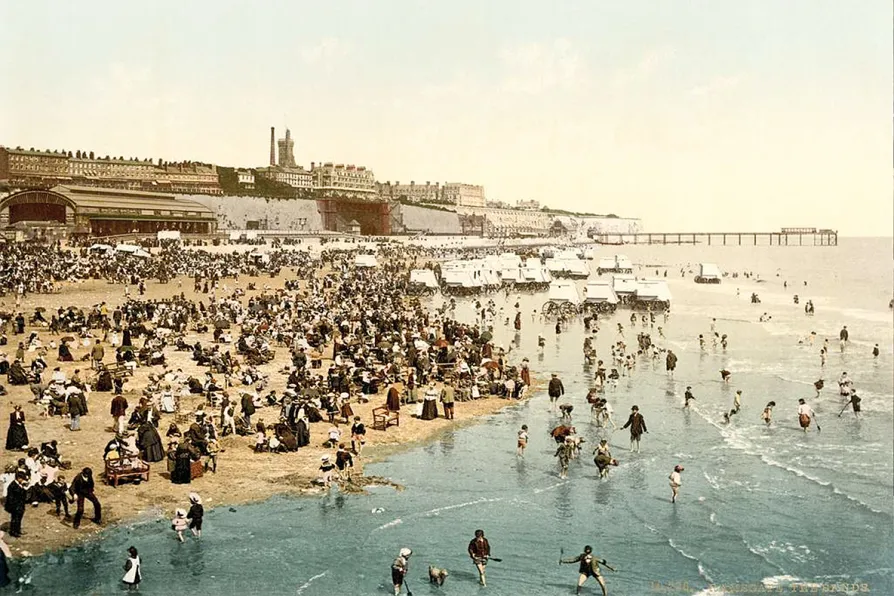
The summer saw the co-founders of modern communism travelling from Ramsgate to Neuenahr to Scotland in search of good weather, good health and good newspapers in the reading rooms, writes KEITH FLETT
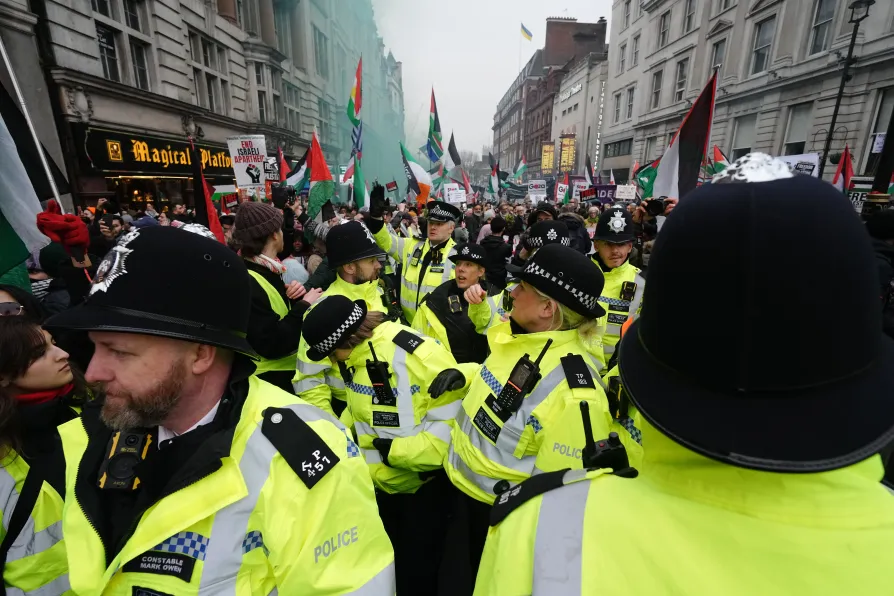
The government cracking down on something it can’t comprehend and doesn’t want to engage with is a repeating pattern of history, says KEITH FLETT