All the evidence shows voters want Labour to shift to the left — but initial signs from Andy Burnham are worrying on that front, cautions DIANE ABBOTT


 Latest editorial
Still rising from the ashes: Romani resistance at Auschwitz
On May 16 1944, Romani families in Auschwitz-Birkenau armed themselves with stones, tools, and sheer collective will, forcing the SS to retreat – leaving a legacy of defiance that speaks directly to the fascisms of today, says VICTORIA HOLMES
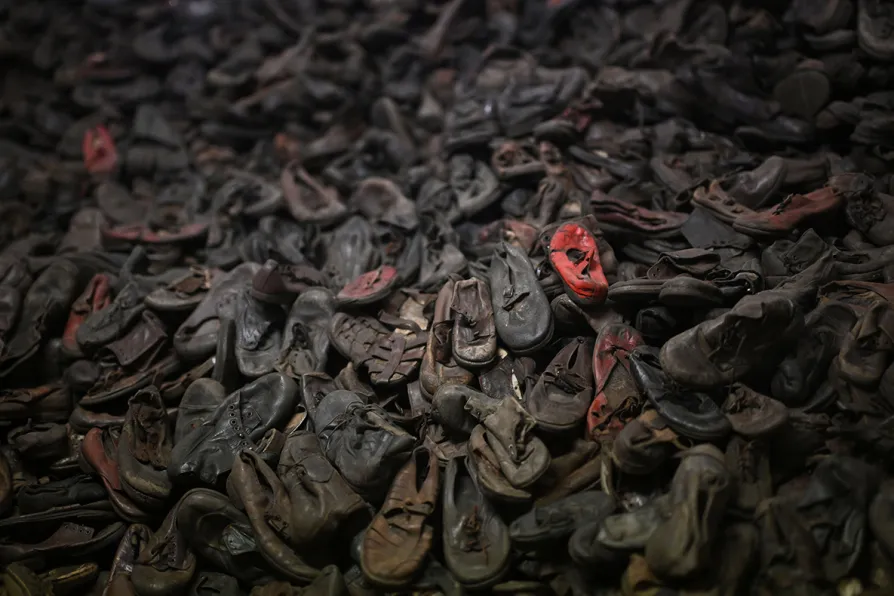 Shoes at Auschwitz during commemorations in Poland to mark 80 years since the liberation of the concentration camp on 27th January 1945, January 27, 2025

ANDY McDONALD MP says Labour must show it is capable of delivering real improvements in people’s lives — bold action is required
ANGUS REID and ANDREW JOHNSTONE report on an initiative that we must take this summer
ALLISON FEWTRELL on what Plaid Cymru's historic election victory means for the communities being failed by Wales’s housing crisis, and four things the new government can do right now
France Insoumise MP JEROME LEGAVRE speaks to Christophe Domec on building the Europe-wide peace movement that came together in the International Conference Against War last weekend
At last weekend’s International Conference Against War, LINDA PENTZ GUNTER talks to the Palestinian physician and politician about the struggles ahead to achieve a truly free Palestine





THE history of the Holocaust is often presented as a silent, inevitable procession toward the gas chambers: a narrative of passive victimhood that serves the comfort of the onlooker and the conscience of the bystander.
For the Romani and Sinti people, the Porajmos was not a silent event. It was a systematic attempt by the Nazi state to liquidate an entire culture; an attempt met with a ferocity that mainstream history books frequently choose to ignore.
In the soot of Auschwitz-Birkenau, the Zigeunerfamilienlager, or Gypsy Family Camp, stands as a site of both unparalleled cruelty and singular, violent defiance.
The Family Camp was a calculated anomaly of the SS machinery. Unlike the rest of the camp, families were permitted to stay together in Sector B-IIe. This was not an act of mercy. It was a psychological weapon designed to maintain order and prevent the desperation that leads to revolt.
The Nazi state believed that by holding the family unit hostage, they could ensure a compliant workforce and a quieter road to the ovens.
They viewed the Romani family structure as a weakness to be exploited. They fundamentally underestimated the revolutionary potential of the Romani spirit when pushed to the precipice of extinction.
On May 16 1944, the illusion of control shattered. The SS received orders to liquidate the camp and move its remaining 6,000 inhabitants to the gas chambers. They expected the usual shuffle of the broken, the compliance of those who had seen too much.
Instead, they found the barracks barricaded from within. The Roma had been alerted by the underground resistance and had prepared for a final stand. Armed with nothing but stones, shovels, scrap metal, and the jagged remains of wooden bedposts, the men, women, and children of the camp stood ready to fight.
When the SS entered, they were not met with pleas for mercy. They were met with a wall of human defiance. The “master race” found itself retreating in the face of a people they had deemed subhuman.
The guards, armed with automatic weapons, could not break the collective resolve of families who chose to die fighting rather than walk into the dark. The liquidation was postponed. For a brief, shimmering moment in the darkest pit of the 20th century, the machinery of the Third Reich was ground to a halt by the sheer will of the oppressed.
This resistance was not a victory of arms, but a victory of political agency. It proved that even in the mouth of the furnace, the working class and the marginalised can strike back against the state. We do not look back at May 16 as a tragedy, but as a blueprint for the modern struggle. The eventual liquidation of the camp in August 1944 was an act of cowardice by an SS that waited until the strongest had been deported to other camps before they dared to return.
Today, the echoes of the Family Camp are heard in the rhetoric of the modern far right and the draconian legislative frameworks of the British state. The Police, Crime, Sentencing and Courts (PCSC) Act 2022 is a primary example of this modern continuum.
By criminalising trespass with a vehicle, the British state has effectively made the traditional Romani and Traveller way of life an illegal act. This is not merely a matter of planning law: it is a targeted strike against the cultural existence of a people.
The policing of Romani bodies, the systemic exclusion from health and social services, and the use of the PCSC Act to seize homes and break families are all part of the same fascist logic that built the fences at Birkenau.
The struggle is not a historical curiosity: it is a pulse. We see the same logic in the way social democratic reforms are used to pacify the working class while maintaining the structural stability of capital.
To honour the resistance of 1944 is to organise against the fascism of 2026. It is to recognise that the liberation of the Roma is inextricably linked to the liberation of all workers and the dismantling of the carceral state.
We do not ask for a seat at the table of a system built on our exclusion. We demand the reclamation of our history and our future. The shovel is a sceptre now. The ash is not an ending. It is the grit in our eyes as we all must sharpen the blade for the next fight.

Similar stories

Women’s fight against violence and legal erosion is central to building a democratic and just Iraq, says Dr SALMA SAADAWI
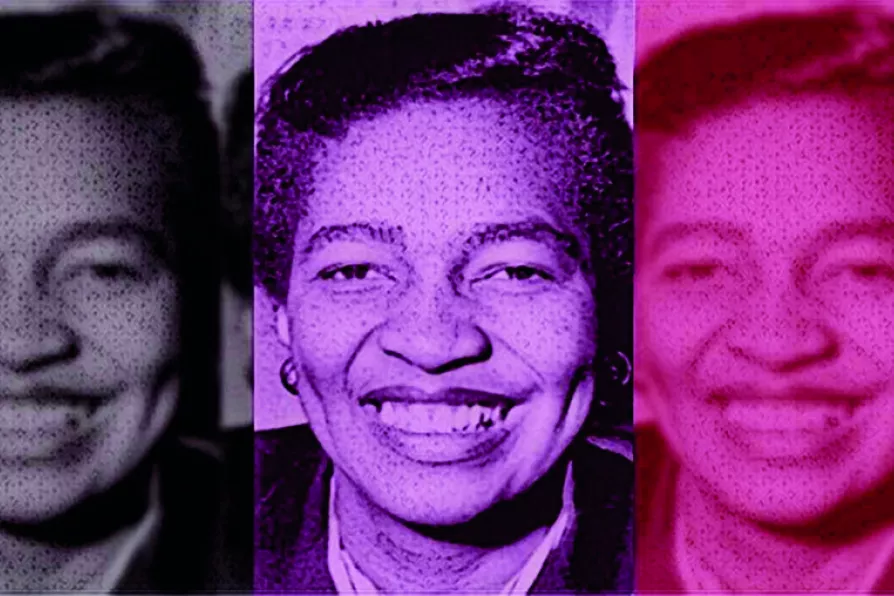
The pioneering activist understood that freedom could only be won through solidarity across communities. Her legacy offers vital lessons at a time when progressive politics risks losing that shared purpose
The Morning Star republishes PRAGNA PATEL’s speech at the annual commemoration of Claudia Jones on February 22 2026
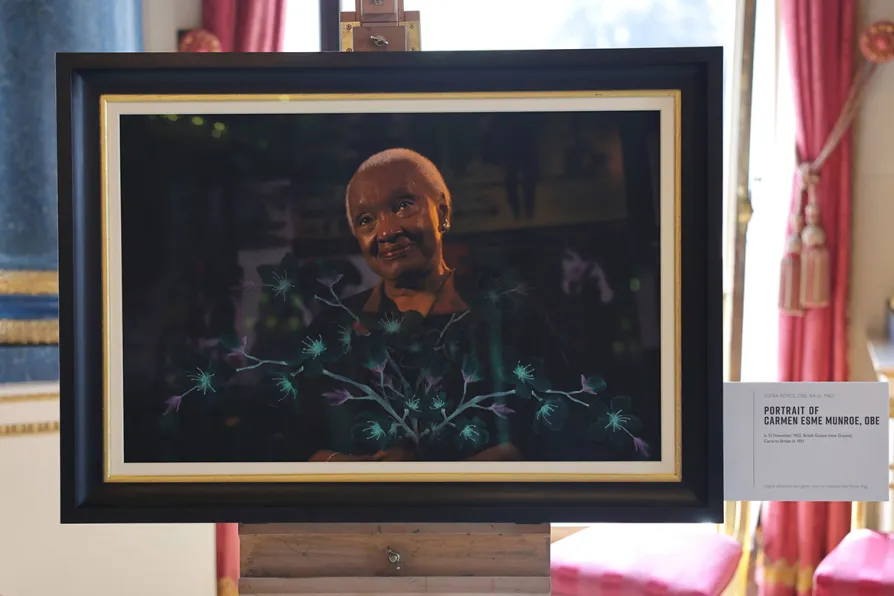
For generations black women have shaped Britain’s activism, arts and public life despite exclusion and discrimination. ZITA HOLBOURNE pays tribute to these political trailblazers and cultural icons, whose courage continues to inspire

YUBIN DU explains why Britain and China should be natural partners in a restless world