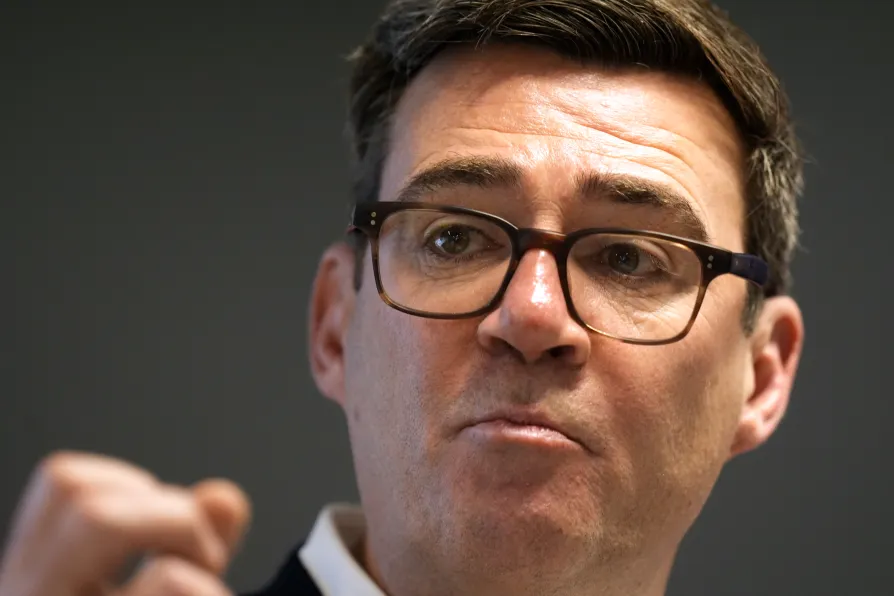
All the evidence shows voters want Labour to shift to the left — but initial signs from Andy Burnham are worrying on that front, cautions DIANE ABBOTT


 Latest editorial
Spinal injuries face an NHS bowel care crisis
RUTH HUNT reports on a campaign urging government action to address the life-threatening state of bowel care, the need for a new national policy and adequately trained staff to ensure patient safety and dignity

ANDY McDONALD MP says Labour must show it is capable of delivering real improvements in people’s lives — bold action is required
ANGUS REID and ANDREW JOHNSTONE report on an initiative that we must take this summer
ALLISON FEWTRELL on what Plaid Cymru's historic election victory means for the communities being failed by Wales’s housing crisis, and four things the new government can do right now
France Insoumise MP JEROME LEGAVRE speaks to Christophe Domec on building the Europe-wide peace movement that came together in the International Conference Against War last weekend
At last weekend’s International Conference Against War, LINDA PENTZ GUNTER talks to the Palestinian physician and politician about the struggles ahead to achieve a truly free Palestine





A CALL is being made for a parliamentary inquiry into the current state of bowel care for those requiring specialist care in NHS settings. There is a need for a national bowel care policy so that patients with spinal cord injury and some other conditions can be in any hospital and get the right care and treatment for managing their bowels.
“Are you one of these hospital-refusers?” the GP said, as he looked at his screen. I had a high temperature and some other symptoms but was saying I didn’t want to go to hospital.
What doctors don’t ask is why I have this fear of being admitted. As someone with spinal cord injuries (SCI) who has a neurogenic bowel because of my injuries, I have faced humiliating as well as very dangerous “bowel care.” I am now frightened about going into hospital and if I can avoid it, I will.

Similar stories

In the second part of her critique of Wes Streeting’s TenYear Plan for Health, HELEN MERCER looks at the central planks of this privatisation blueprint

With more people dying each year and many spending their final days in institutions, researchers argue that wider access to palliative care could offer a more humane and cost-effective alternative, write ROX MIDDLETON, LIAM SHAW and MIRIAM GAUNTLETT

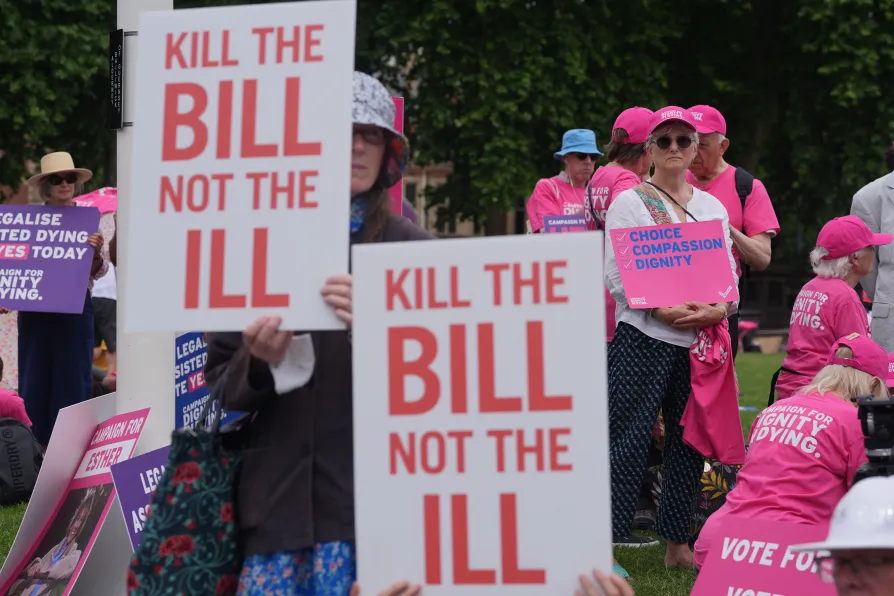
GEOFF BOTTOMS, who has worked in a palliative care hospice for 11 years, argues the postcode lottery for proper end-of-life care must be ended to give the terminally ill choice and agency