

 Latest editorial
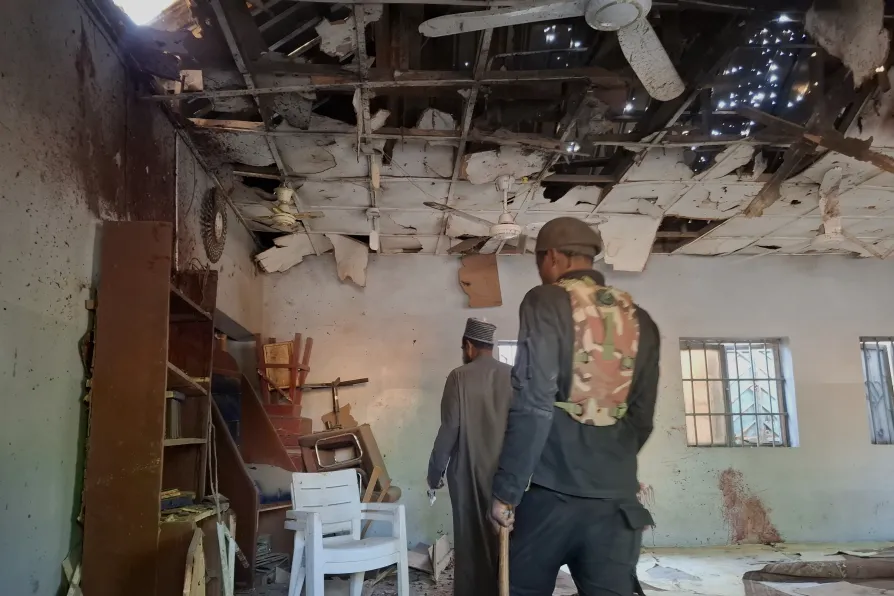 DEADLY: People inspect the scene of a bomb explosion inside a mosque in Maiduguri, Nigeria
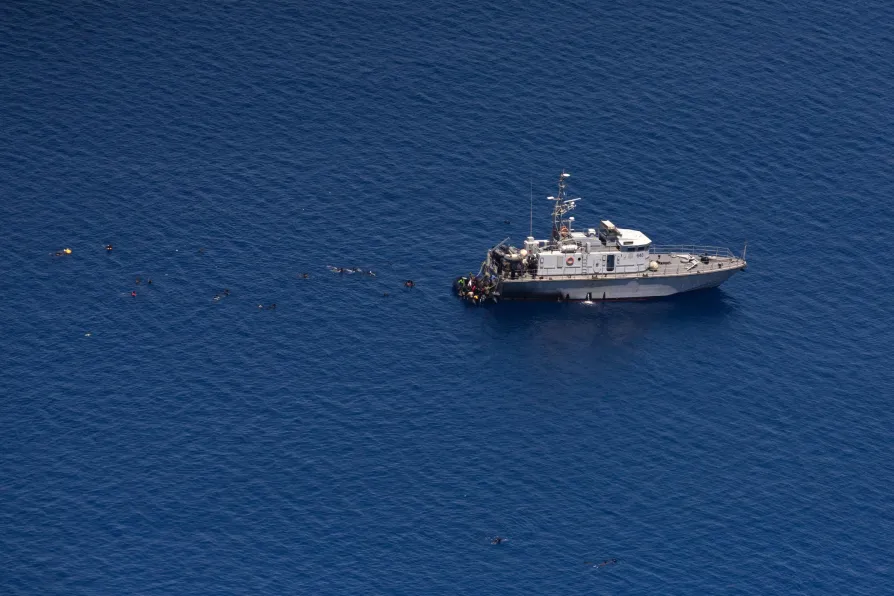





SPECULATION mounted over the weekend on why the United States bombed purported Islamic State (Isis) bases in north-west Nigeria on Christmas Day.
US President Donald Trump declared the attacks a “Christmas present” to the jihadist group following attacks on Nigerian Christians, though the Nigerian government — which claimed, as did the US, to have helped co-ordinate the attacks — denied any link to Christmas.
Conflicting statements from Nigerian ministers quickly led to debate over how far the country’s government had actually been involved in the attacks, which targeted Sokoto state, a stable region which has not seen jihadist attacks in years.
Government explanations cited the state’s proximity to neighbouring Niger, where it said insurgent forces troubling the Sahel states were seeking to establish a foothold to spread into Niger.
However, Niger’s place in the anti-imperialist Alliance of Sahel States with Burkina Faso and Mali — the three, which have expelled foreign military bases and nationalised foreign-owned mining operations, announced a new military alliance on December 20 — could also be a factor in the US show of force on its border.

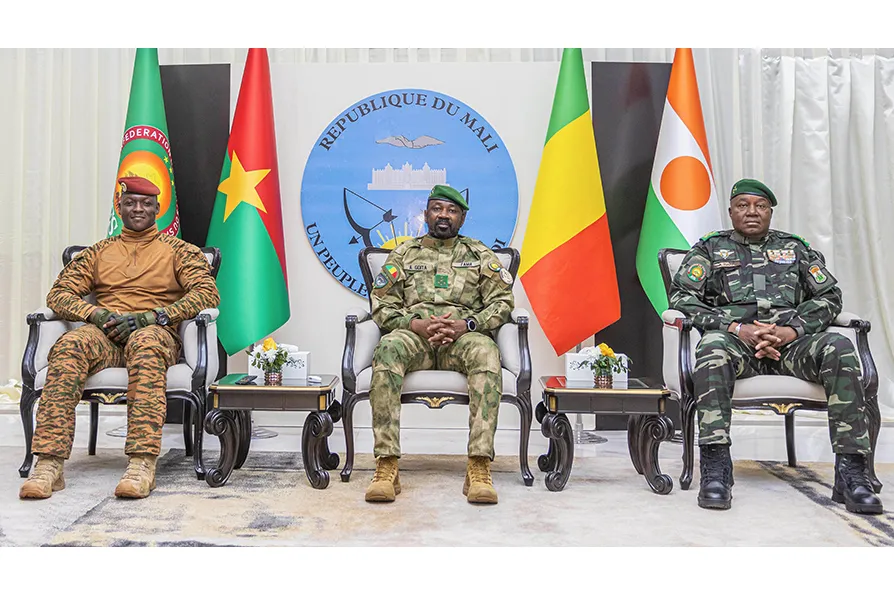
NICHOLAS MWANGI highlights a historic turning point in Sahelian sovereignty, as Burkina Faso, Mali and Niger bolstered their regional security through a unified military force
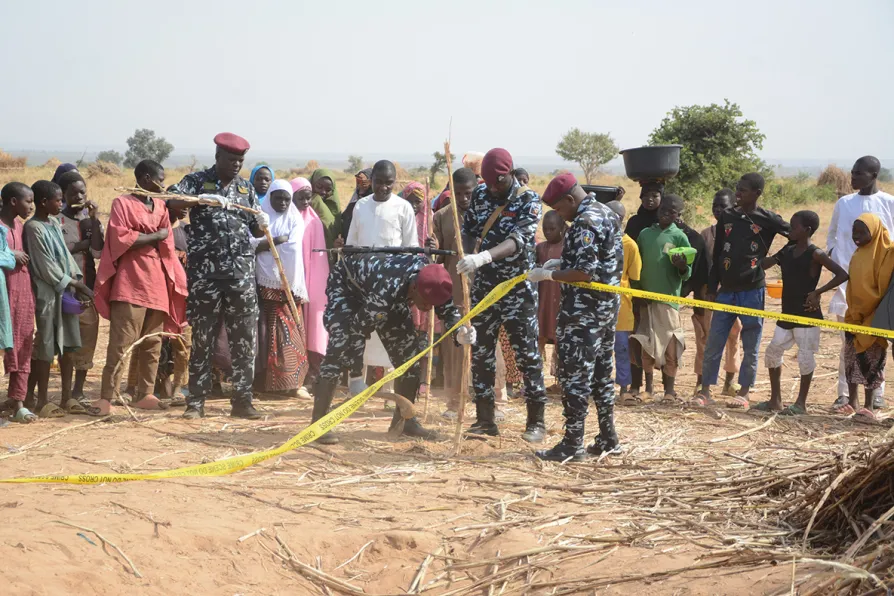
A US air strike in north-west Nigeria, publicly framed as a Christmas act of counterterrorism, reveals a deeper shift in how power is exercised in Africa, argues RAIS NEZA BONEZA
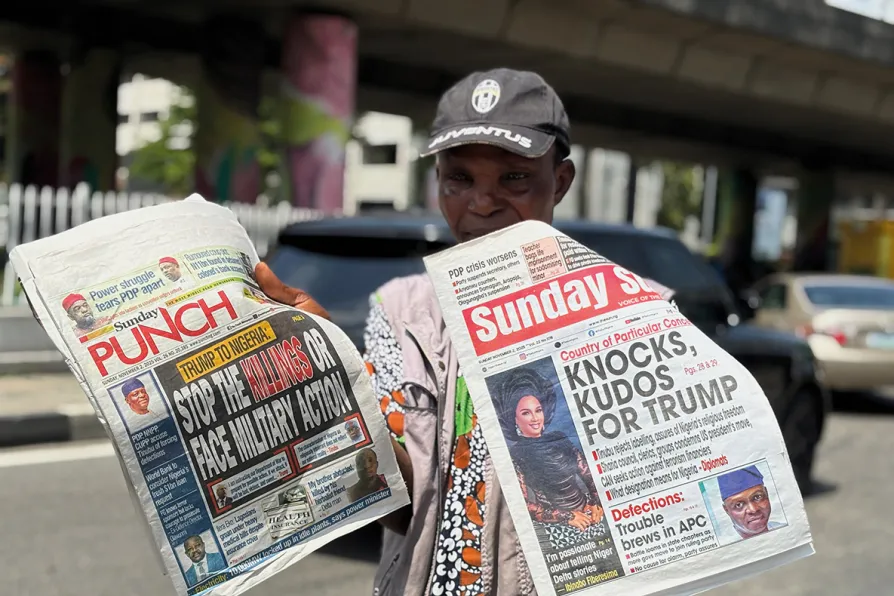
Nigeria’s presidential spokesman grovels to the West in response to Washington intimidation, writes PAVAN KULKARNI