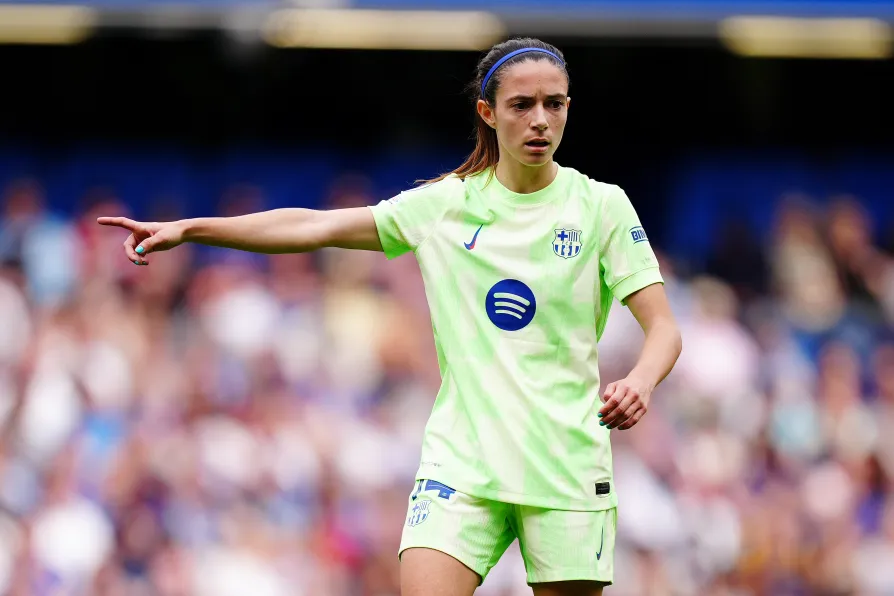
JAMES NALTON celebrates Ruben Blades’s song Patria – played before Panama’s game against Ghana — a song inspiring hope instead of hate


 Latest editorial
One giant leap for womankind?
On the surface, the settlement for equal pay for the women’s and men’s national teams in the US seems like a step forward - so why is it receiving such a backlash, asks Star sports editor BELLA KATZ
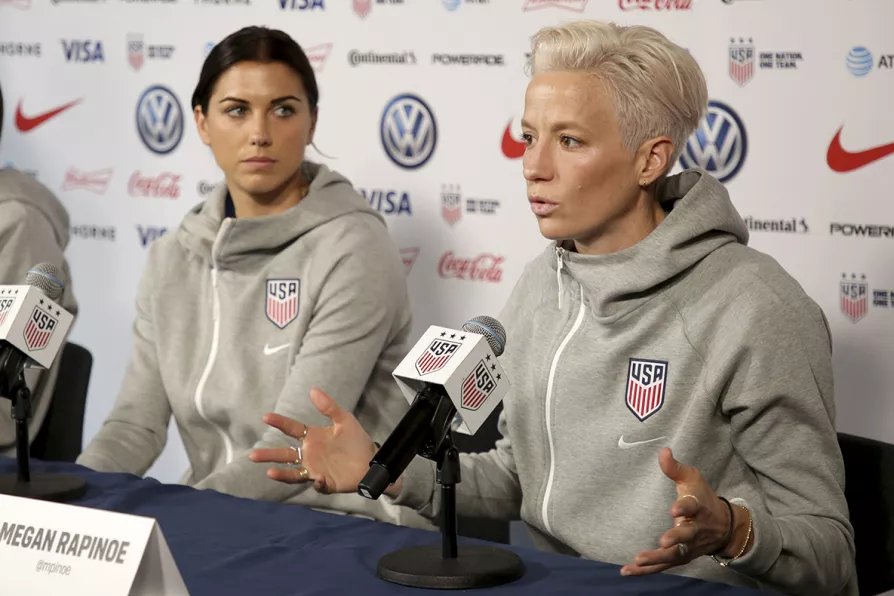 LEADERS: Alex Morgan (left) and team-mate Megan Rapinoe
Fifty years ago this month, Britain faced its hottest summer on record, as welterweight champion Stracey met his match in Mexico’s Palomino, writes JOHN WIGHT.
Including races at Newcastle, York and Chester





EARLIER this week, it was announced that United States Soccer had committed to providing equal pay for the women’s and men’s national teams, in a deal that has been dubbed by some a “landmark,” but by others “infuriating.” So how much of a step forward is it really?
Equality for women has been an ongoing struggle within the sporting world — with football only being the most recent to challenge the imbalance. In 1973, tennis star Billie Jean King fought tirelessly for equal prize money for both men and women at the US Open, and as a result of her efforts, a sponsor was found to close the gap. Just last month in Britain, the FA and PFA agreed significant policy changes to contracts in the women’s game relating to maternity provision, injury and illness.
Most recently, a deal has been agreed following a long six-year battle between US Soccer and members of the US women’s team, whose fans chanted “Equal Pay!” when they won their second straight World Cup title in France in 2019 — one of four World Cups won by the US women’s team since the programme started in 1985, while their male counterparts have not reached a semi-final since 1930.

Similar stories

The new Employment Rights Act is a step forward, but restoring collective bargaining and union power remains essential to tackling insecurity, outsourcing and low pay, says PAUL WHITEHOUSE

ROGER McKENZIE explains why he can’t support this year’s World Cup
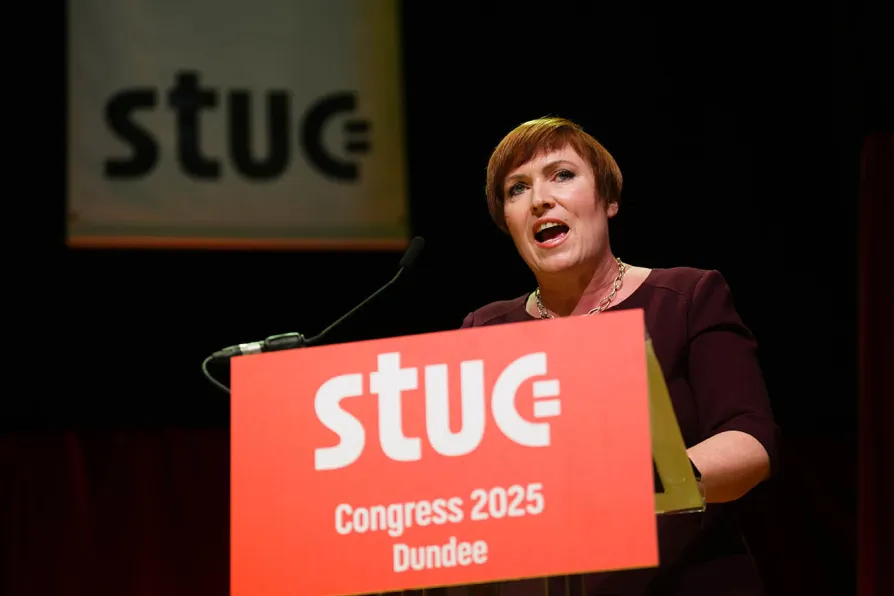
Working-class women lead the fight for fair work and equitable pay and against sexual harassment, the rise of the far right and years of failed austerity policies, writes ROZ FOYER