All the evidence shows voters want Labour to shift to the left — but initial signs from Andy Burnham are worrying on that front, cautions DIANE ABBOTT


 Latest editorial
The Russian attack on Ukraine exposes the Western propaganda system
The British media is right cover the plight of the Ukrainians in detail — but if it paid the same attention to Yemen, a conflict Britain is actually a major player in, that war would be over in a week, explains IAN SINCLAIR
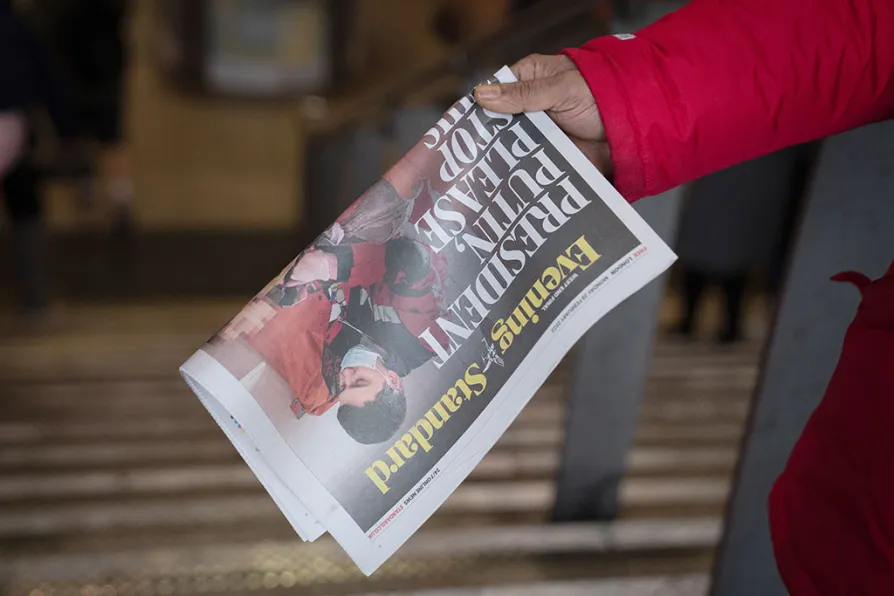 Western press coverage of the Russian invasion is in stark contrast to the lack of attention shown to Saudi Arabia's brutal war on Yemen – now in its seventh year
ANDY McDONALD MP says Labour must show it is capable of delivering real improvements in people’s lives — bold action is required
ANGUS REID and ANDREW JOHNSTONE report on an initiative that we must take this summer
ALLISON FEWTRELL on what Plaid Cymru's historic election victory means for the communities being failed by Wales’s housing crisis, and four things the new government can do right now
France Insoumise MP JEROME LEGAVRE speaks to Christophe Domec on building the Europe-wide peace movement that came together in the International Conference Against War last weekend
At last weekend’s International Conference Against War, LINDA PENTZ GUNTER talks to the Palestinian physician and politician about the struggles ahead to achieve a truly free Palestine





THE Russian invasion of Ukraine has confirmed the criminal barbarity of the Russian government and the leadership of its armed forces.
On March 8 Filippo Grandi, the UN High Commissioner for Refugees, said two million people had fled Ukraine since the Russian attack on February 24. The same day the World Health Organisation reported attacks on hospitals, ambulances and other healthcare facilities had surged and the International Committee of the Red Cross described the conditions in the Ukrainian city of Mariupol as “apocalyptic.” On March 10 the Office of the United Nations High Commissioner for Human Rights verified a total of 564 civilian deaths, with close to 1,000 injured.
In addition to this horror, the crisis has also highlighted the extraordinary power and influence of the mainstream media. In particular, it has proven the continuing relevance of Edward Herman’s and Noam Chomsky’s analysis in their 1988 book Manufacturing Consent: A Political Economy of the Mass Media.

Similar stories
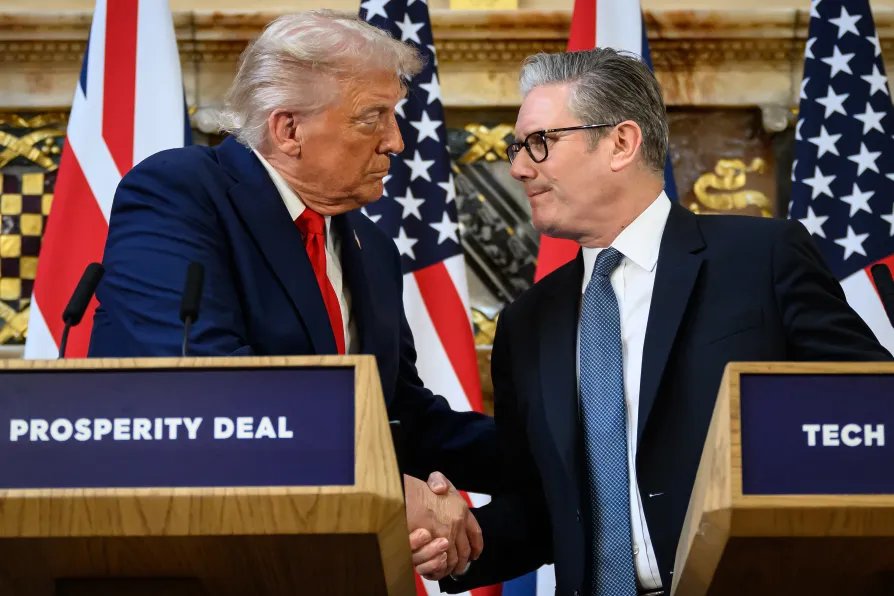
The media present Starmer as staying out of Trump’s war — but we’re already deeply involved in a conflict that sees the US and Israel kill civilians on a huge scale, argues IAN SINCLAIR
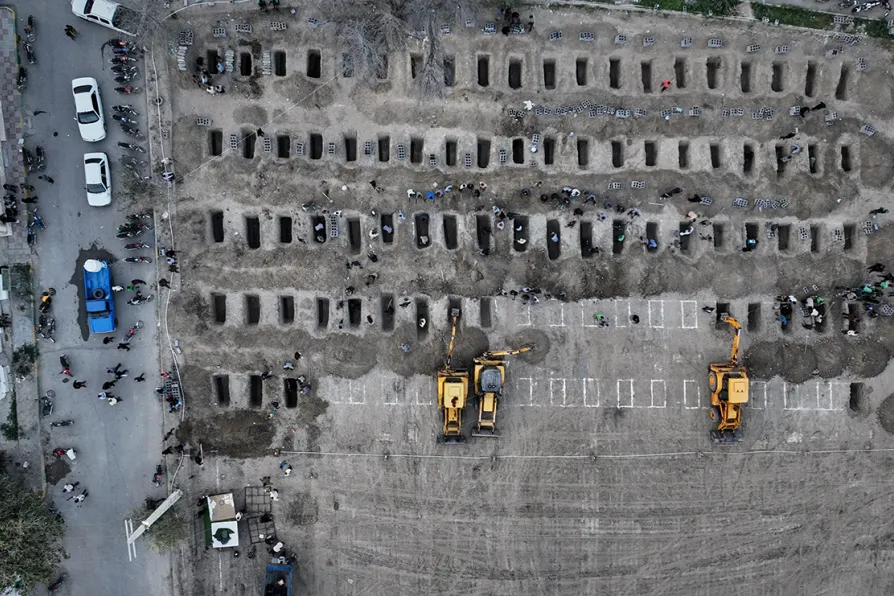
DR HANA SAADA asks why a war crime against innocent children on this scale does not dominate the world’s coverage of the US-Israeli war on Iran
At the very moment Britain faces poverty, housing and climate crises requiring radical solutions, the liberal press promotes ideologically narrow books while marginalising authors who offer the most accurate understanding of change, writes IAN SINCLAIR
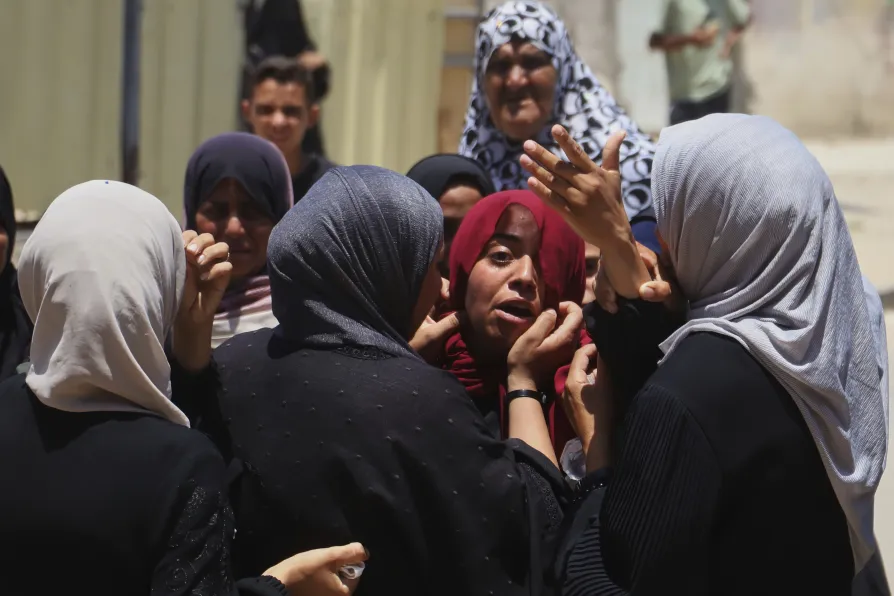
Israel’s monopolisation of ‘aid’ to slaughter Palestinians means there is no other option: direct international intervention now, says CLAUDIA WEBBE