All the evidence shows voters want Labour to shift to the left — but initial signs from Andy Burnham are worrying on that front, cautions DIANE ABBOTT


 Latest editorial
Restoring relationships at the heart of mental health care
Ruth Hunt speaks with psychiatry professor LINDA GASK about the lack of continuity in healthcare provision

ANDY McDONALD MP says Labour must show it is capable of delivering real improvements in people’s lives — bold action is required
ANGUS REID and ANDREW JOHNSTONE report on an initiative that we must take this summer
ALLISON FEWTRELL on what Plaid Cymru's historic election victory means for the communities being failed by Wales’s housing crisis, and four things the new government can do right now
France Insoumise MP JEROME LEGAVRE speaks to Christophe Domec on building the Europe-wide peace movement that came together in the International Conference Against War last weekend
At last weekend’s International Conference Against War, LINDA PENTZ GUNTER talks to the Palestinian physician and politician about the struggles ahead to achieve a truly free Palestine





ANYONE who uses mental health services will know that the lack of continuity of care is a major problem. You may see a psychiatrist at one appointment but someone else at the next and then be expected to share sensitive details about your life and illness with them too.
You may find that the criteria for accessing the services has changed to such an extent that you are no longer offered help and instead are left to deteriorate further.
It would be hard to argue that continuity of care isn’t an aid to recovery or, indeed, lifesaving. So why is it so absent in mental healthcare?

Similar stories
RICHARD SHILLCOCK examines an enjoyable, but philosophically conventional book, and urges Marxists to employ their capacity to embrace the totality in any explanation

Evidence to peers from medical leaders, patient safety officials and the children’s commissioner has intensified fears that the Bill’s safeguards are inadequate, writes ADAM JAMES POLLOCK

SWEE ANG, the founder of Medical Aid for Palestinians, is a big believer in the power of small actions, and she is the living proof it works, writes Linda Pentz Gunter
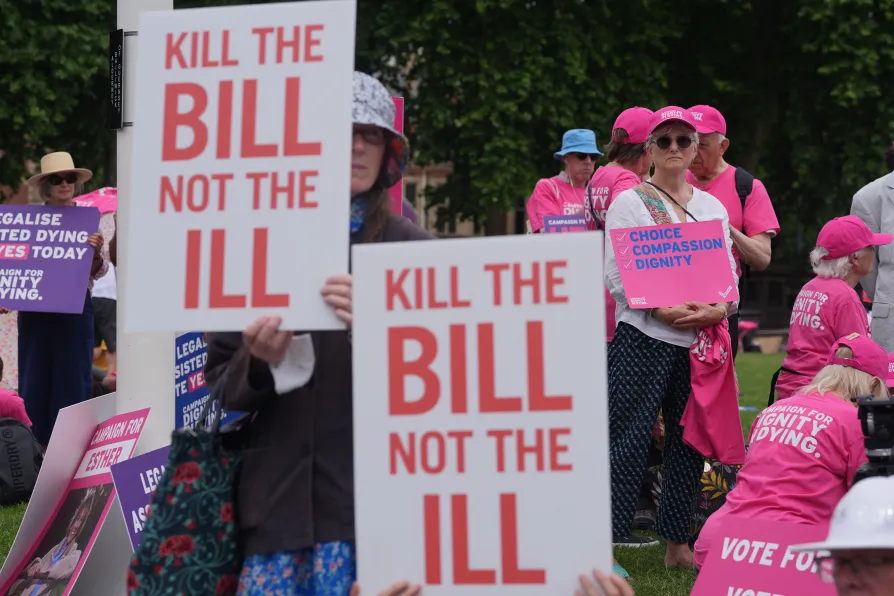
GEOFF BOTTOMS, who has worked in a palliative care hospice for 11 years, argues the postcode lottery for proper end-of-life care must be ended to give the terminally ill choice and agency