All the evidence shows voters want Labour to shift to the left — but initial signs from Andy Burnham are worrying on that front, cautions DIANE ABBOTT


 Latest editorial
Politics in Crisis - a different economics
ALAN SIMPSON looks at the possible ways redistributive economics could be used to fight climate change, from vertical gardens to 'fur miles'
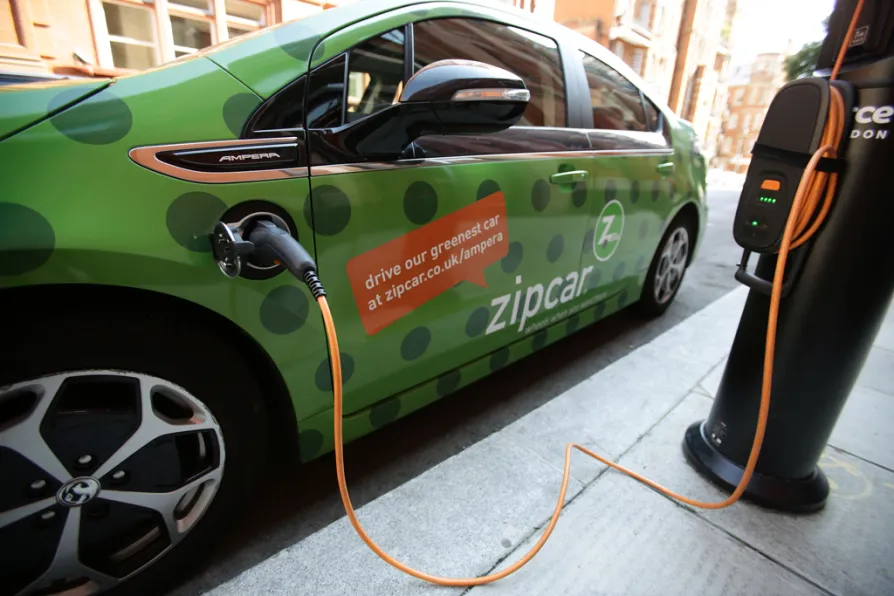 An electric car charging


ANDY McDONALD MP says Labour must show it is capable of delivering real improvements in people’s lives — bold action is required
ANGUS REID and ANDREW JOHNSTONE report on an initiative that we must take this summer
ALLISON FEWTRELL on what Plaid Cymru's historic election victory means for the communities being failed by Wales’s housing crisis, and four things the new government can do right now
France Insoumise MP JEROME LEGAVRE speaks to Christophe Domec on building the Europe-wide peace movement that came together in the International Conference Against War last weekend
At last weekend’s International Conference Against War, LINDA PENTZ GUNTER talks to the Palestinian physician and politician about the struggles ahead to achieve a truly free Palestine





AT the end of 2016 there were 345,000 electric buses in operation worldwide. China had 343,500 of them. By September 2018, the USA had over 1 million plug-in cars. Europe had a similar number by June the same year. In Norway, where government loans for public-sector car purchases are only available for EVs, 49.1 per cent of 2018’s car purchases were EVs.
This is the way transport is moving; from dirty to clean, from unsustainable fuels to renewables.
Not all of it is electric. Sweden’s public transport system runs on bio-gas from biodegradable, municipal waste. Germany, Italy and Switzerland are running hydrogen-powered buses or trains. In Cheshire, Alstom are preparing to convert the first 100 of Britain’s diesel locomotives to hydrogen.

Similar stories

While politicians fixate on defence budgets, the real answers lie in peace-building and economic justice, says ALAN SIMPSON
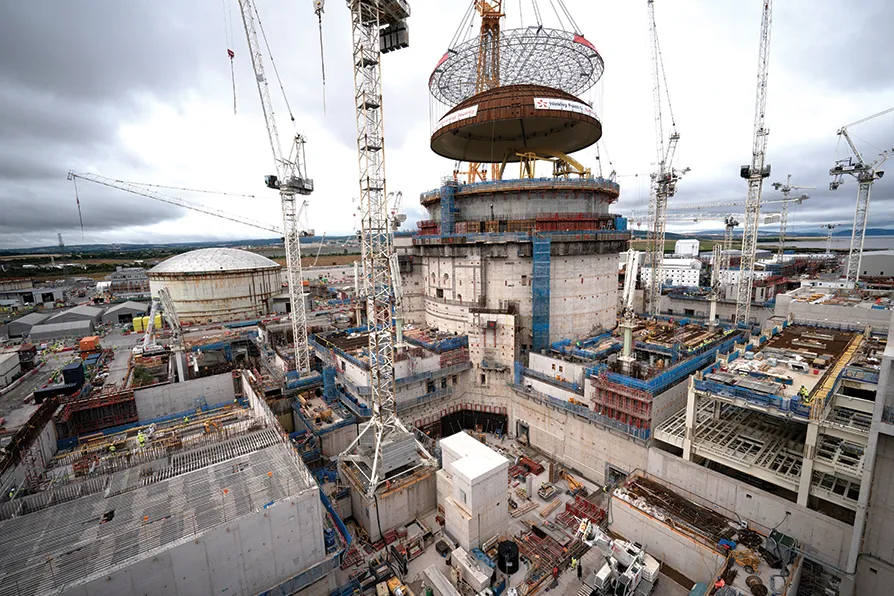
The Communist Party of Britain’s Congress last month debated a resolution on ending opposition to all nuclear power in light of technological advances and the climate crisis. RICHARD HEBBERT explains why

From summit to summit, imperialist companies and governments cut, delay or water down their commitments, warn the Communist Parties of Britain, France, Portugal and Spain and the Workers Party of Belgium in a joint statement on Cop30
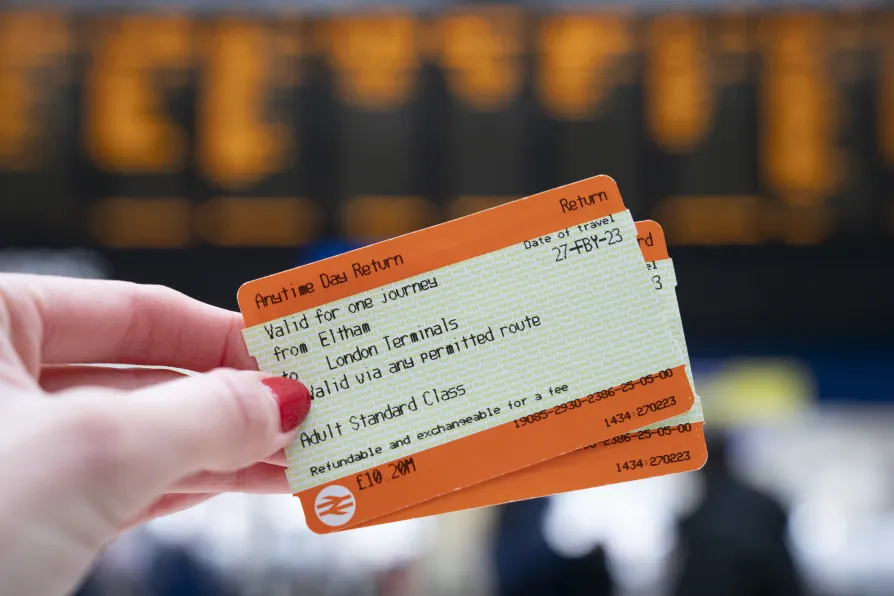
British cross-border train fares far outstrip flights, ranking among Europe’s worst