All the evidence shows voters want Labour to shift to the left — but initial signs from Andy Burnham are worrying on that front, cautions DIANE ABBOTT


 Latest editorial
Our treatment of firefighters is now a global scandal
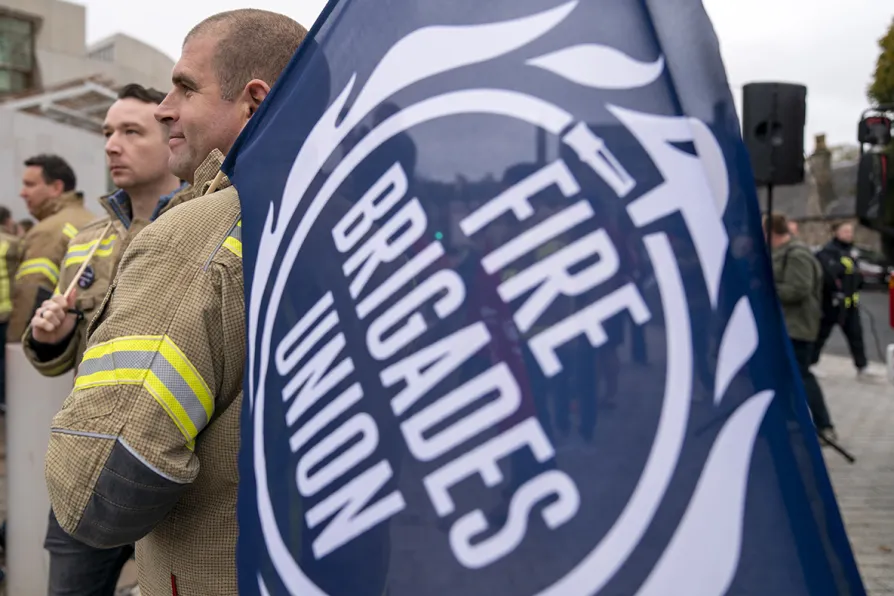
Research at the highest level has shown firefighters are exposed to cancer-causing agents in the line of duty — but unlike many other countries we are not taking necessary steps to address this, writes LUKE FLETCHER MS
ANDY McDONALD MP says Labour must show it is capable of delivering real improvements in people’s lives — bold action is required
ANGUS REID and ANDREW JOHNSTONE report on an initiative that we must take this summer
ALLISON FEWTRELL on what Plaid Cymru's historic election victory means for the communities being failed by Wales’s housing crisis, and four things the new government can do right now
France Insoumise MP JEROME LEGAVRE speaks to Christophe Domec on building the Europe-wide peace movement that came together in the International Conference Against War last weekend
At last weekend’s International Conference Against War, LINDA PENTZ GUNTER talks to the Palestinian physician and politician about the struggles ahead to achieve a truly free Palestine





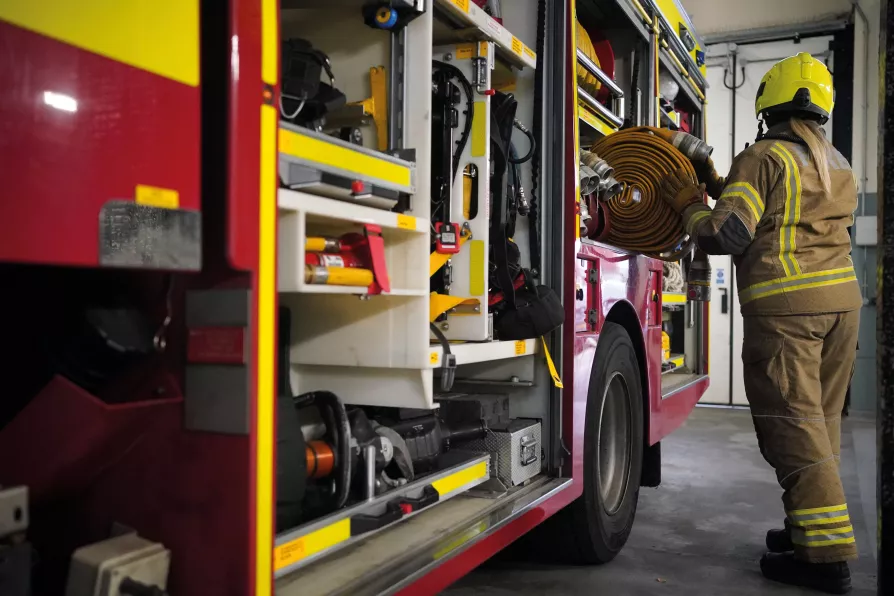
LAST FEBRUARY, I was lucky enough to have the opportunity to throw myself into some of the extensive training undertaken by our fire and rescue services.
I joined the South Wales Fire and Rescue team who invited me to the Cardiff Gate training centre and Bridgend fire station where I attempted search-and-rescue drills in cramped, smoke-filled rooms and mazes of confined crawl spaces, all in complete darkness.
Needless to say, I left both experiences with a renewed appreciation for what our service people do day in and day out. One thing was abundantly clear to me: we are incredibly lucky to have such a skilled group of people who are willing to go above and beyond while putting themselves at risk.

Similar stories
LUKE FLETCHER outlines Plaid Cymru bold plans for wide-ranging policy consultations with trade unions in Wales
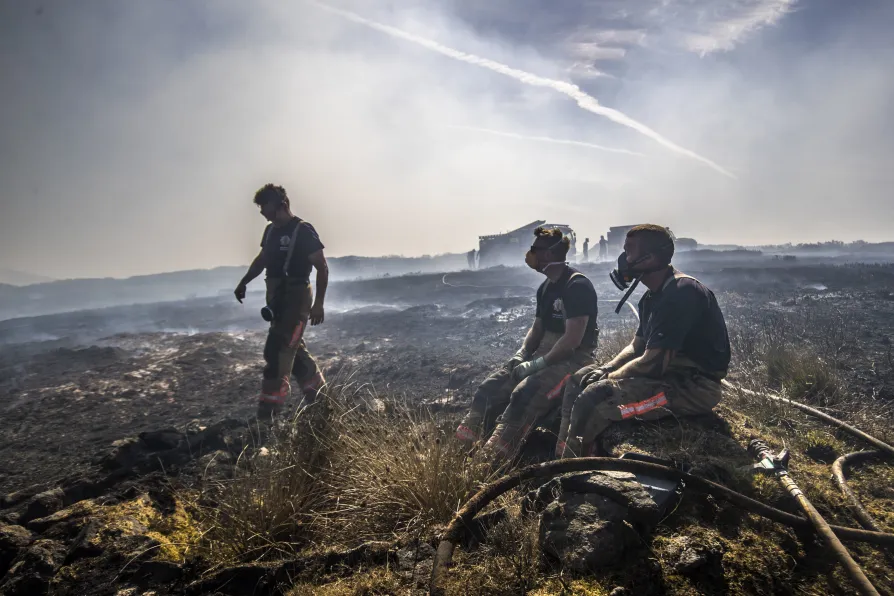
Since 2010, one in five firefighter jobs has disappeared alongside 30% funding cuts — all while climate breakdown brings record blazes and flooding. It’s time to fund our fire service properly, writes FBU general secretary STEVE WRIGHT
At the very moment Britain faces poverty, housing and climate crises requiring radical solutions, the liberal press promotes ideologically narrow books while marginalising authors who offer the most accurate understanding of change, writes IAN SINCLAIR