All the evidence shows voters want Labour to shift to the left — but initial signs from Andy Burnham are worrying on that front, cautions DIANE ABBOTT


 Latest editorial
Neoliberal missionaries of the Mont Pelerin Society in India
The notorious ‘free’ market think tank happily allies with Narendra Modi’s authoritarianism to push a perverse economic ideology that has only ever deepened inequality and poverty worldwide, reports BHABANI SHANKAR NAYAK
 Indian Prime Minister Narendra Modi
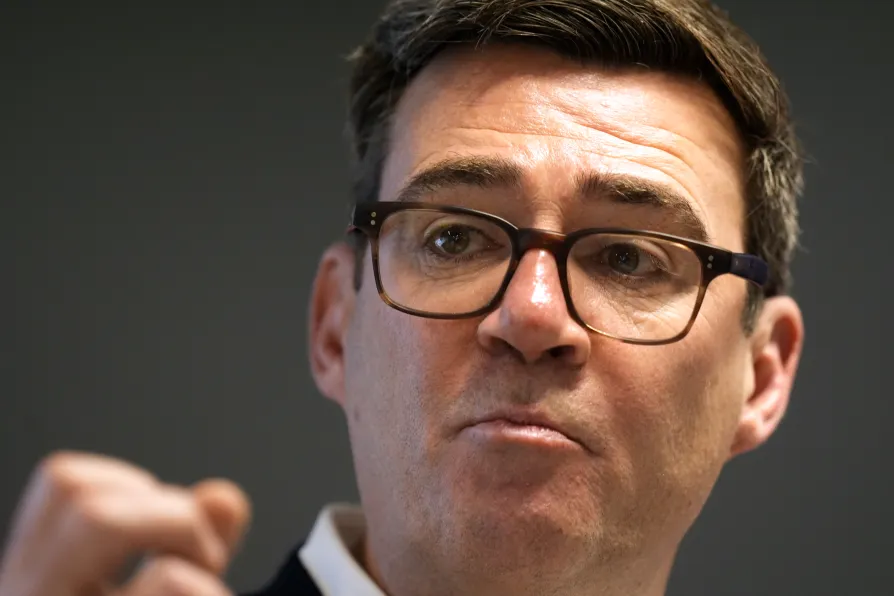
ANDY McDONALD MP says Labour must show it is capable of delivering real improvements in people’s lives — bold action is required
ANGUS REID and ANDREW JOHNSTONE report on an initiative that we must take this summer
ALLISON FEWTRELL on what Plaid Cymru's historic election victory means for the communities being failed by Wales’s housing crisis, and four things the new government can do right now
France Insoumise MP JEROME LEGAVRE speaks to Christophe Domec on building the Europe-wide peace movement that came together in the International Conference Against War last weekend
At last weekend’s International Conference Against War, LINDA PENTZ GUNTER talks to the Palestinian physician and politician about the struggles ahead to achieve a truly free Palestine





THE Mont Pelerin Society (MPS) is organising its 2024 biennial congress and general meeting from September 22-26 in New Delhi, India, with the goal of advancing freedom and prosperity for the next six billion people in the global South.
The event is being hosted by the Centre for Civil Society (CCS), based in Hauz Khas, New Delhi. This marks the third time the MPS is holding its meetings in India. The society previously organised its meetings in Goa in 2002 and in New Delhi in 2011.
The MPS was established in 1947 by anti-socialist economists and business leaders, led by Friedrich Hayek, Milton Friedman and others, to counter the growing influence of socialist alternatives.

Similar stories
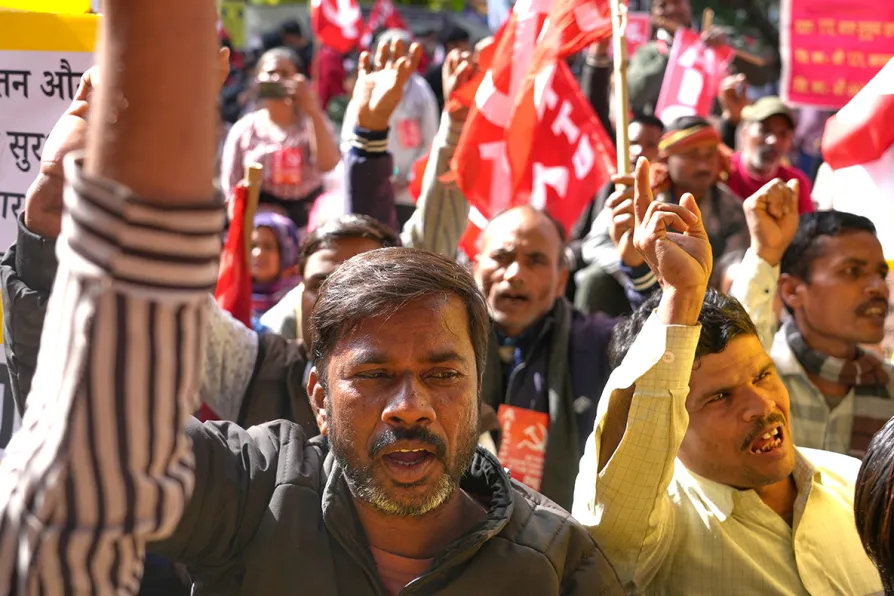
The biggest strike in global history is a template for our future. The silence tells you all you need to know, writes CLAUDIA WEBBE
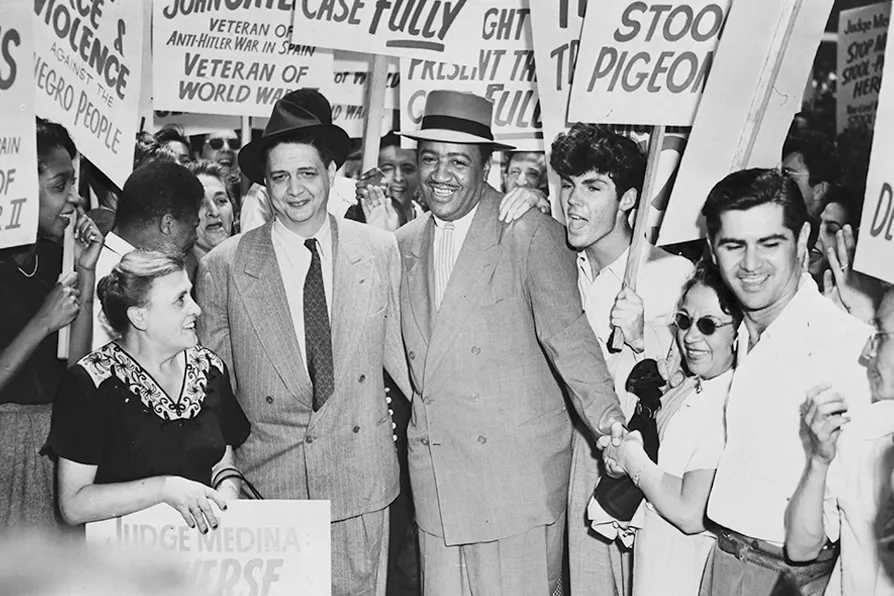
After Zohran Mamdani’s electoral win, BHABANI SHANKAR NAYAK points to the forgotten role of US communists in New York’s radical politics
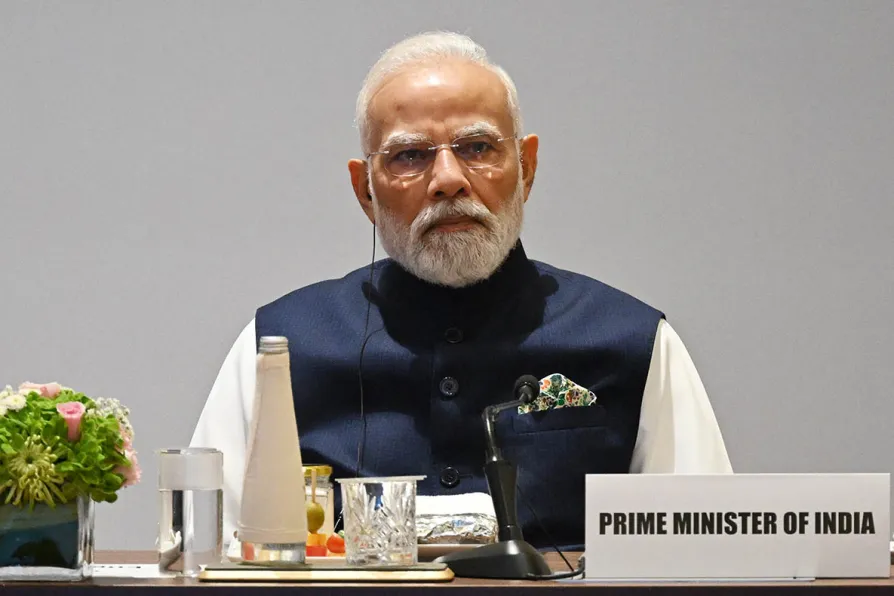
Modi has rolled out the carpet for the Taliban in New Delhi — and we shouldn’t be surprised. They have more in common than you might think, argues Bhabani Shankar Nayak
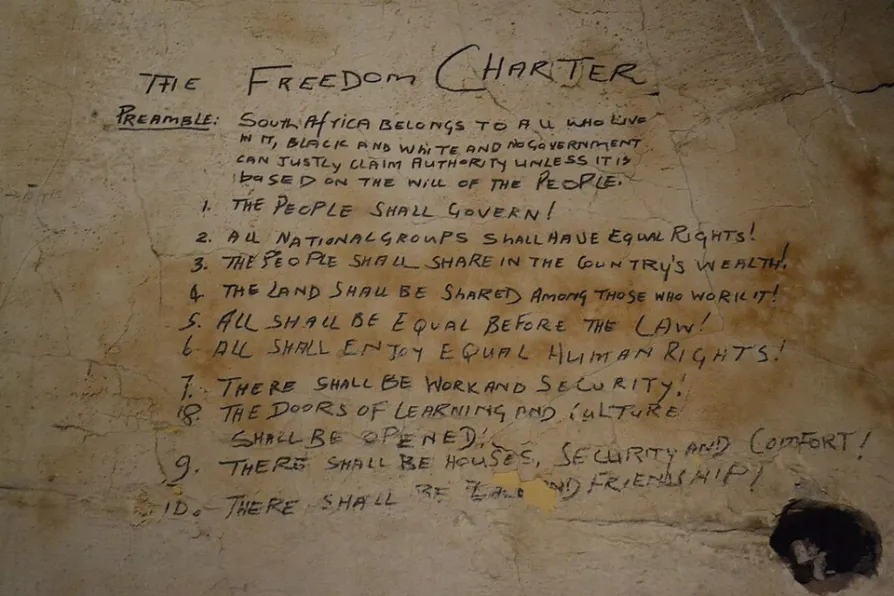
The charter emerged from a profoundly democratic process where people across South Africa answered ‘What kind of country do we want?’ — but imperial backlash and neoliberal compromise deferred its deepest transformations, argues RONNIE KASRILS