Green Party deputy leader MOTHIN ALI, who will speak at the International Anti-War Conference in London on June 20, says Britain needs to rethink its priorities – and its allies


 Latest editorial
Marx, London and the First International
Marx is mostly remembered as a revolutionary thinker, but, as Professor MARY DAVIS explains, his theory was rooted in a lifetime of political activity
 A sketch of the congress of the International Workingmen's Association, also known as the First International
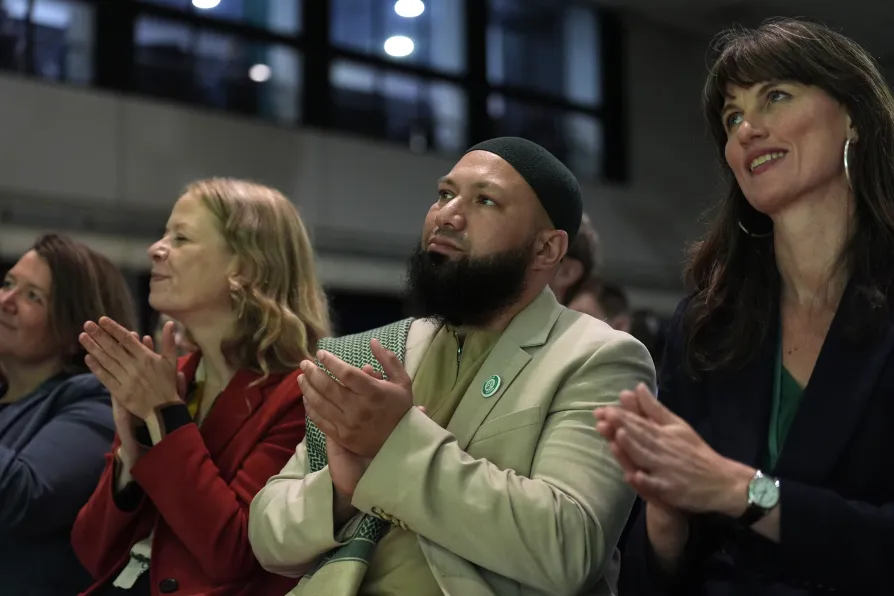
From Global Counsel to Arden, SOLOMON HUGHES finds firms linked to discredited politicians are still calling the shots in Britain
KEVIN COURTNEY explains why Reform UK is no friend to workers or trade unions, but just another party of the super-rich
EMMA DENT COAD explains why she is stepping down from the council after 20 years and how the legacy of the fire still haunts the area
While international attention focuses on ceasefire frameworks, Israel is openly advancing plans for a permanent expansion of its control over Gaza, writes RAMZY BAROUD
Researchers PAUL HOLDEN and JESSICA MURRAY are calling for whistleblowers and documentary records to uncover how Labour Together helped build the parliamentary majority that now dominates the Labour Party





KARL MARX lived permanently in London from 1849 until his death.
London, and to a lesser extent Brussels, was the place of refuge for radicals fleeing repression after the European revolutions of 1830 and 1848. The city thus became the hub of revolutionary émigré activity.
Britain did not experience similar uprisings to those in Europe at the time. However, this did not indicate the absence of mass struggle.
Between the mid 1830s-1850s, Britain, the first industrial nation, witnessed the development of its most significant workers’ movement of the 19th century, Chartism.
This was a mass movement of all subdivisions of the working class affected by industrialisation. It created, in 1842, the world’s first workers’ political party, the National Charter Association.
By 1848 Chartism’s political orientation was moving towards socialism under the leadership of Ernest Jones and George Julian Harney.

Similar stories
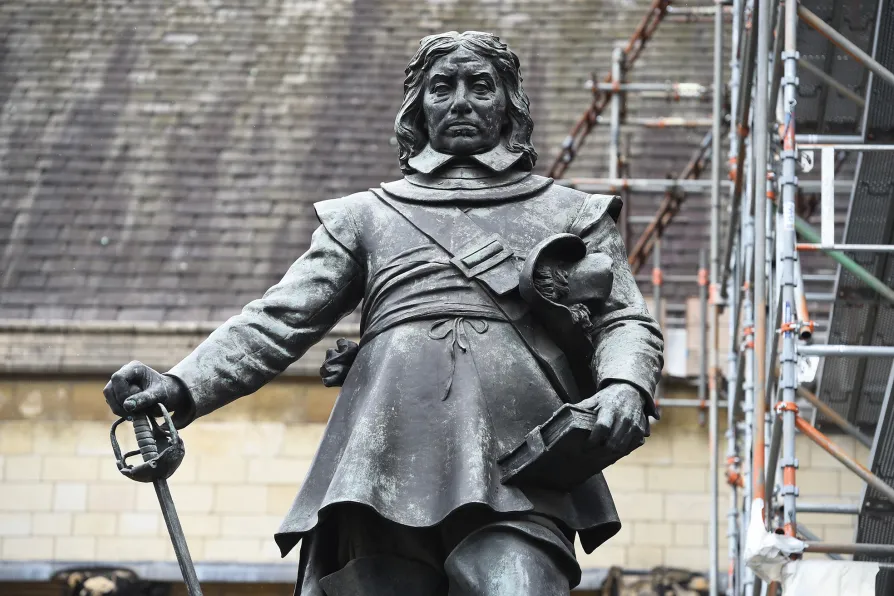
The selection, analysis and interpretation of historical ‘facts’ always takes place within a paradigm, a model of how the world works. That’s why history is always a battleground, declares the Marx Memorial Library
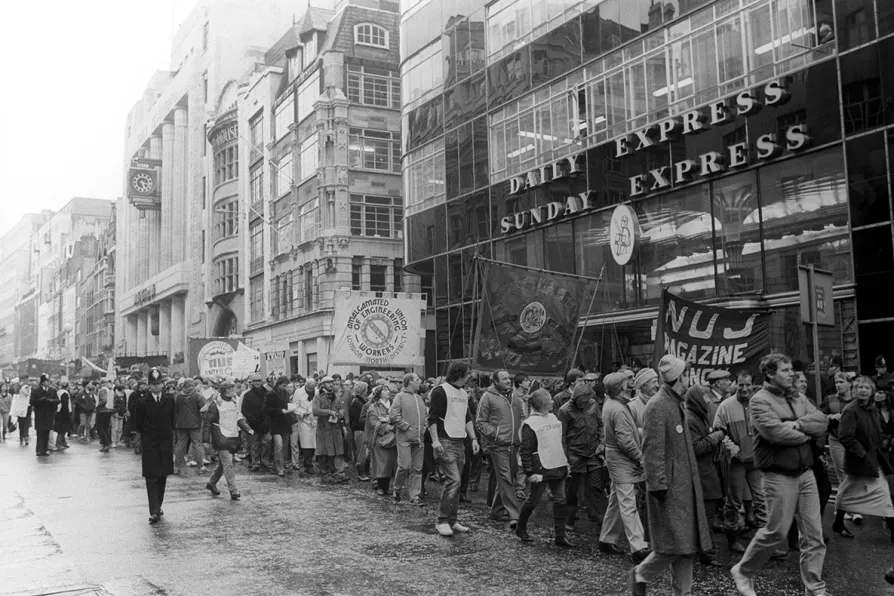
The newly catalogued News International Dispute Archive ensures the history of the Wapping dispute – and the solidarity it inspired – is preserved, accessible and alive for future generations, says MATT DUNNE
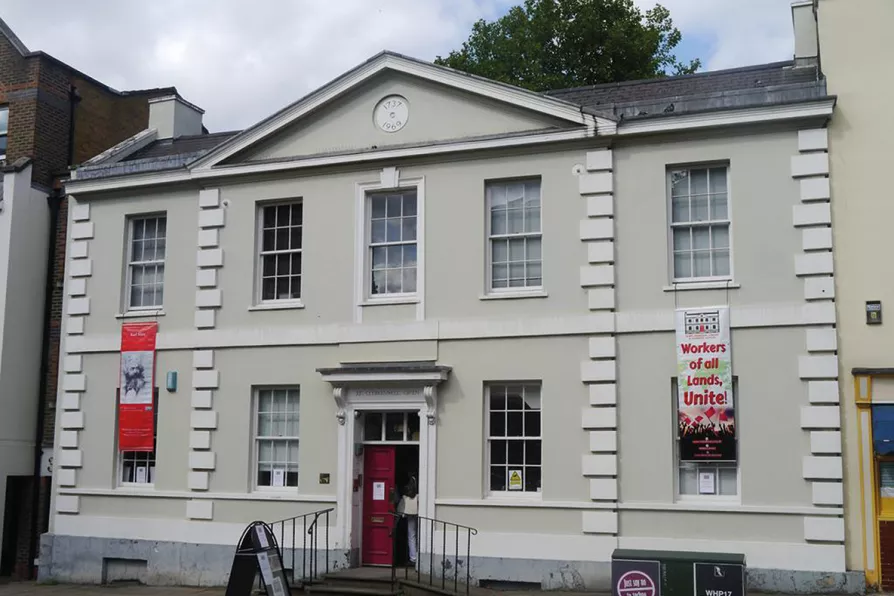
From hunting rare pamphlets at book sales to online panels and courses on trade unionism and class politics, the MML continues connecting archive treasures with the movements fighting for a better world, writes director MEIRIAN JUMP

Corbyn and Sultana’s ‘Your Party’ represents the first attempt at mass socialist organisation since the CPGB’s formation in 1921, argues DYLAN MURPHY