Newly revealed documents reveal that MI5 taught Brazilian secret police the techniques deployed by the 1964-85 military dictatorship in horrific prisons like Rio de Janeiro’s House of Death. SARA VIVACQUA reports


 Latest editorial

A man of mettle
The fourth extract from PHIL KATZ's book looks at Tom Mann's role in the Merseyside transport strike of 1911
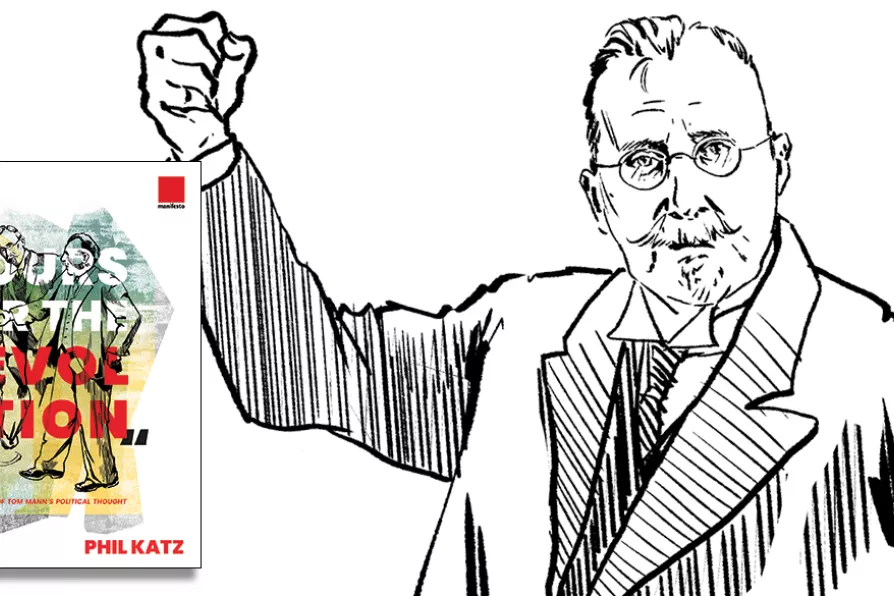 Tom Mann, illustration: CORATA GROUP
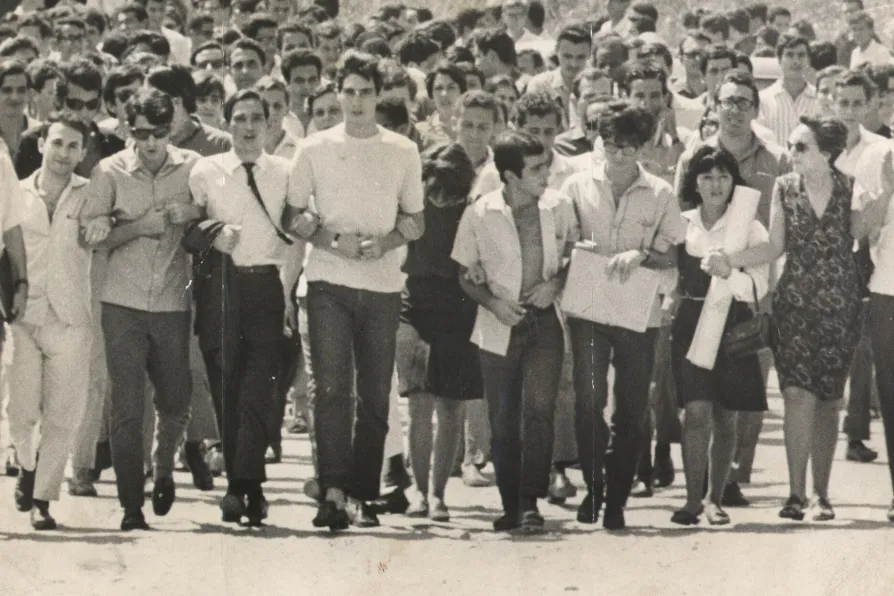
CHRISTOPHE DOMEC speaks to the France Insoumise politician facing constant persecution from French authorities
It can be hard to discern conspiracy theory from reality and under the Trump regime the two might just be the same thing, writes Linda Pentz Gunter
ALAN SIMPSON says responses to the Golders Green attacks risk deepening divides across our country
Capturing the general strikes history is a vital part of our struggles today, posits HENRY FOWLER
On a tumultuous day in Welsh politics DAVID NICHOLSON looks at the key issues for progressives in Wales to grapple with the rise of the far right





THE period between 1906 and World War I (WWI) was increasingly volatile as new groups of workers asserted themselves as trade unionists. The “Great Unrest” also coincided with a constitutional crisis in 1910, agitation for home rule in Ireland, and the emergence of a suffragette movement.
Between June and August 1911, Tom Mann was involved in strikes that developed into a movement in north-west England. On June 9, a national seamen’s strike sparked The 1911 Liverpool Transport Workers’ strike. Mann chaired its central strike committee.
The strike lasted for 72 days, during which the press referred to him as the “Dictator of Merseyside,” as if it was he who had dispatched troops and a gunboat to quell citizens lawfully conducting their rights. Though indeed, not even the Royal Mail delivered unless the central strike committee, led by Mann, gave its authorisation.

Similar stories
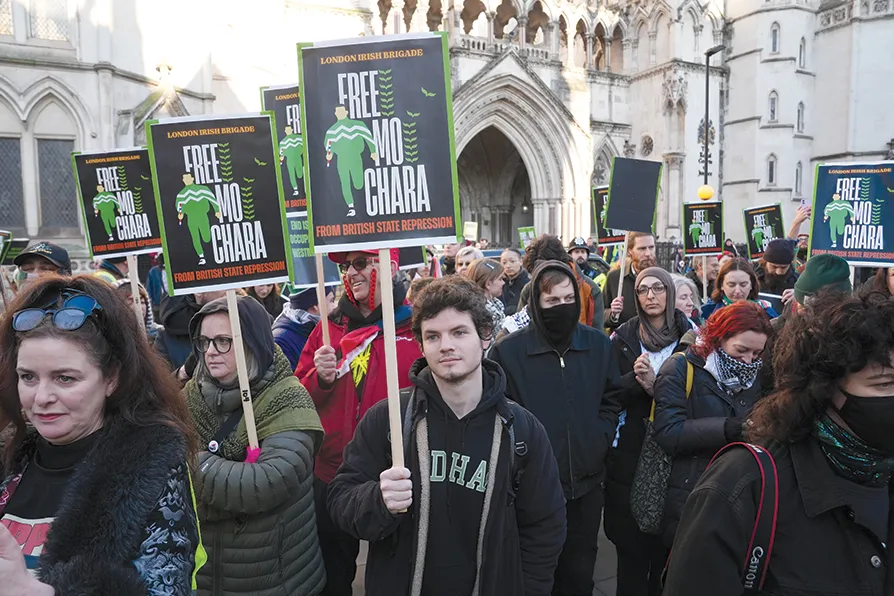
AARON SMITH discusses why the Protestant diaspora are still part of Yeats’s ‘Indomitable Irishry’, and an integral part of any future united Ireland.

In part IV of a serialisation of his new book, JOHN McINALLY tells how austerity minister Francis Maude’s attempt to destroy the PCS Civil Service union totally backfired
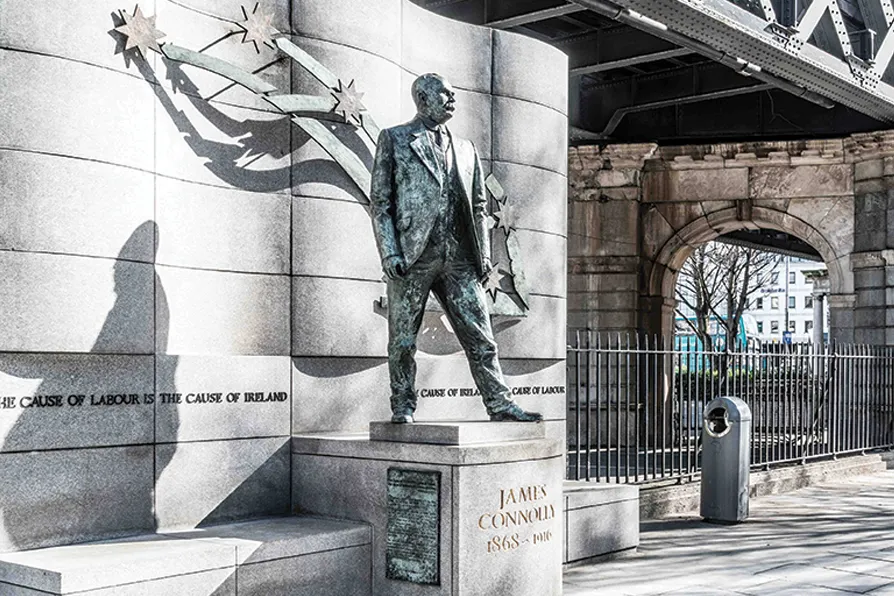
A new group within the NEU is preparing the labour movement for a conversation on Irish unity by arguing that true liberation must be rooted in working-class solidarity and anti-sectarianism, writes ROBERT POOLE

ANGUS REID recommends a visit to an outstanding gathering of national and international folk musicians in the northern archipelago