To rescue Kahlo from the clutches of the corporate art market, we need to acknowledge the overt and covert political dimensions of the work, demands GAVIN O’TOOLE


 Latest editorial
Mad, bad and lyrical
GEORGE MOURATIDIS examines the way American beat poets exposed the sickness of a society that sought to contain them
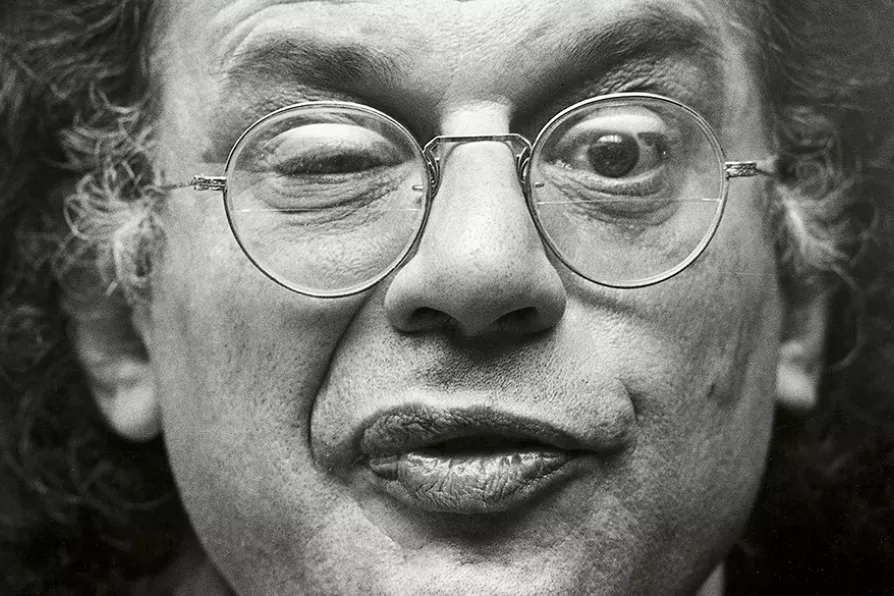 Alan Ginsberg, 1979
[Michiel Hendryckx/CC]
Alan Ginsberg, 1979
[Michiel Hendryckx/CC]
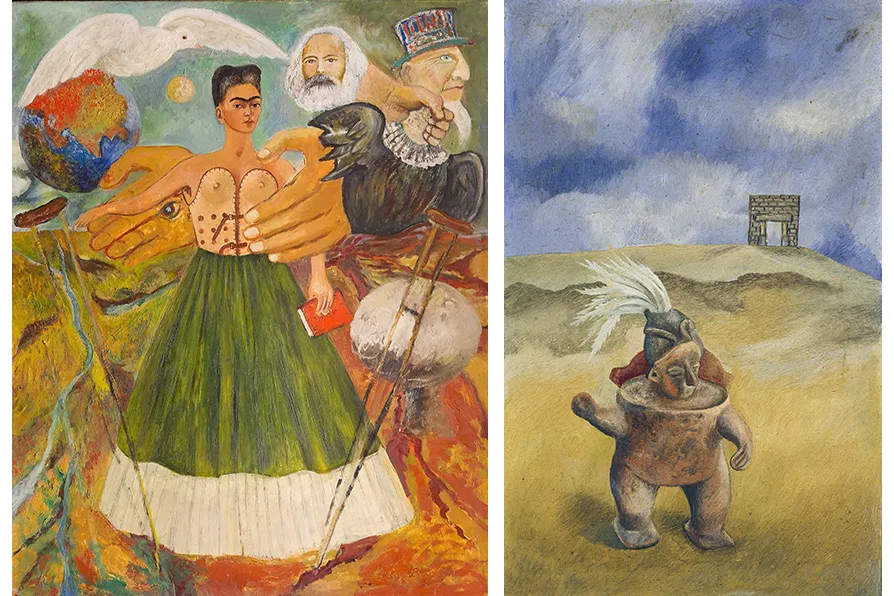
If you can see past the relentless commodification you will be rewarded by enormously powerful work, suggests JENNY MITCHELL
CHRIS SEARLE revels in the one-off collaboration between an American polymath and a British Muslim, and detects the presence of their revolutionary forebear
GORDON PARSONS revels in an ebullient production of Shakespeare’s magical comedy
BRENT CUTLER welcomes a thoughtful analysis of the Erdogan regime, viewed through the evolving history of a neighbourhood in Istanbul
GORDON PARSONS regrets the price, but is dazzled by an outstandingly ambitious study of the way art restoration in particular, and culture in general was weaponised by the Nazis




THE publication last year of Steven M Weine’s Best Minds: How Allen Ginsberg Made Revolutionary Poetry from Madness has reinvigorated enduring questions about the relationship between mental health and creativity.
Weine frames “madness” as culturally ascribed, but “mental illness” as clinical. The latter is pathologised according to what Michel Foucault called the “clinical gaze” of society’s institutions. Its definitions are subject to ideological and technocratic shifts in those societies.
An example is the United States at the height of cold war paranoia and Jim Crow, and the civil rights, black nationalist and anti-war movements which were a direct rebuttal to a dehumanising politics. This was a society that pathologised “otherness.” A picture-perfect patriotic citizenry of White, middle-class, heterosexual, family oriented consumers was the norm. Deviations were viewed with suspicion. They represented a threat to be neutralised or, failing that, contained for the sake of the nation’s “integrity” and security.
Similar stories
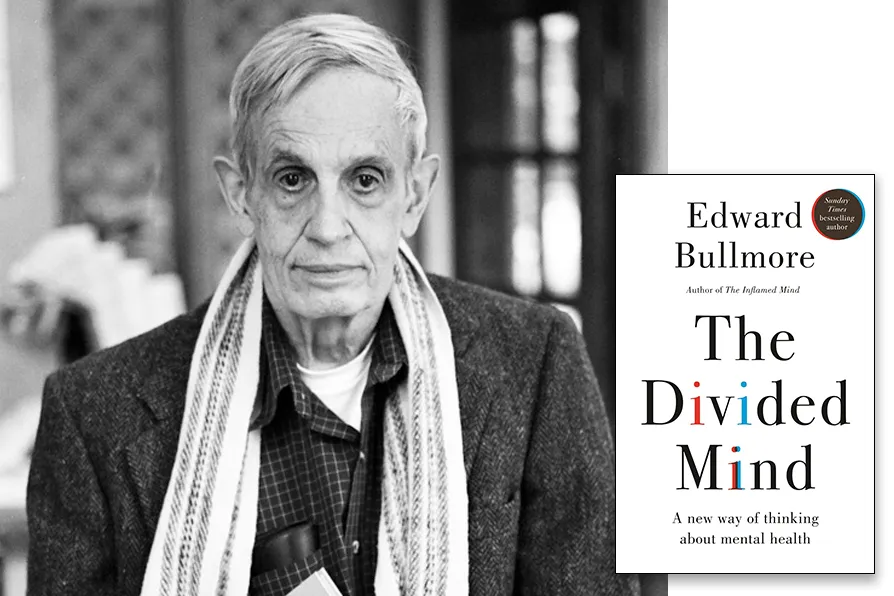
RICHARD SHILLCOCK examines an enjoyable, but philosophically conventional book, and urges Marxists to employ their capacity to embrace the totality in any explanation
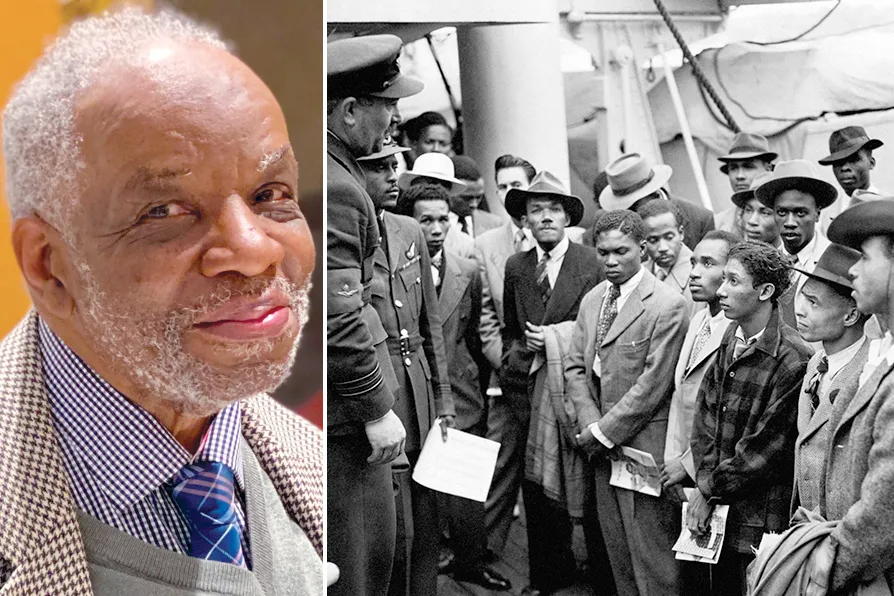
1943-2025: How one man’s unfinished work reveals the lethal lie of ‘colour-blind’ medicine
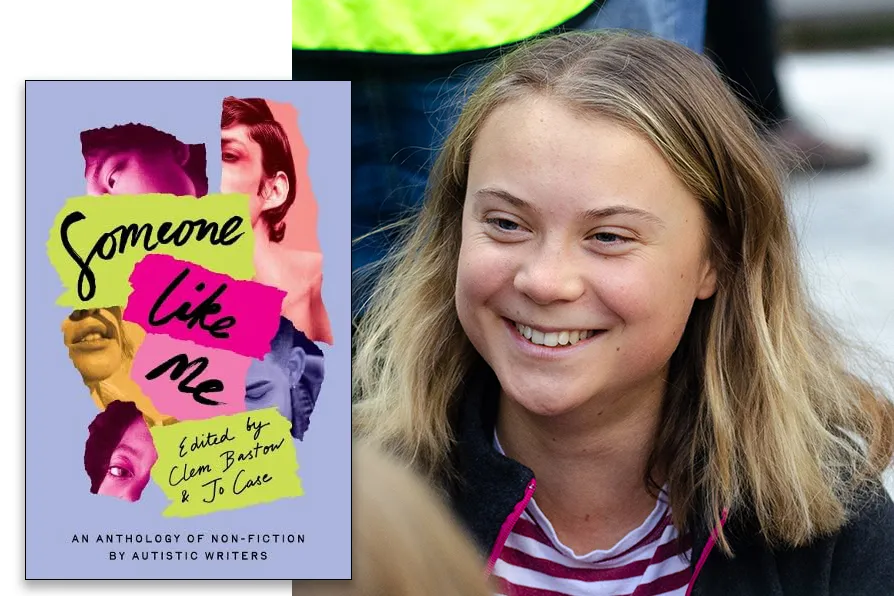
JOSEPHINE BARBARO welcomes a diverse anthology of experiences by autistic women that amounts to a resounding chorus, demanding to be heard
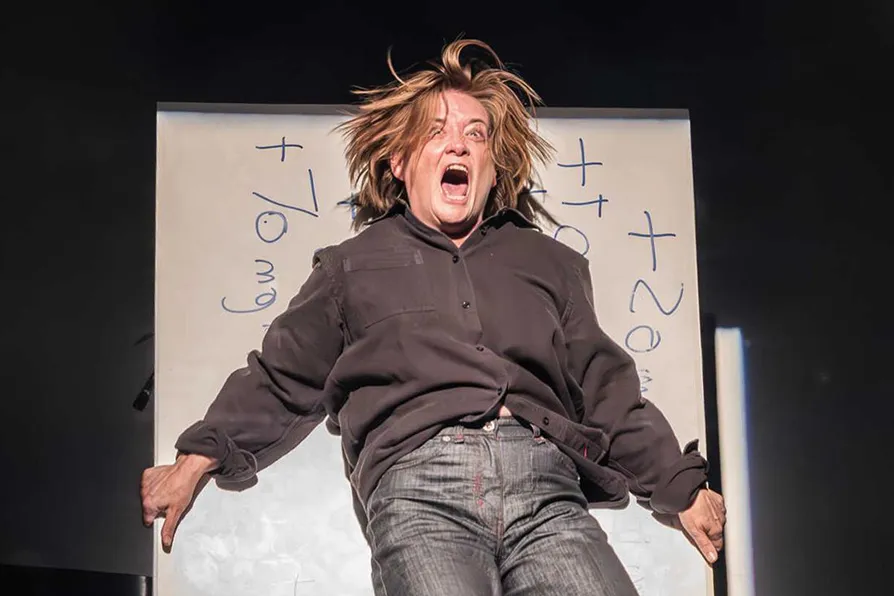
GORDON PARSONS acknowledges the authority with which Sarah Kane’s theatrical justification for suicide has resonance today