To rescue Kahlo from the clutches of the corporate art market, we need to acknowledge the overt and covert political dimensions of the work, demands GAVIN O’TOOLE


 Latest editorial
Letters from Latin America Leo Boix: September 20, 2023
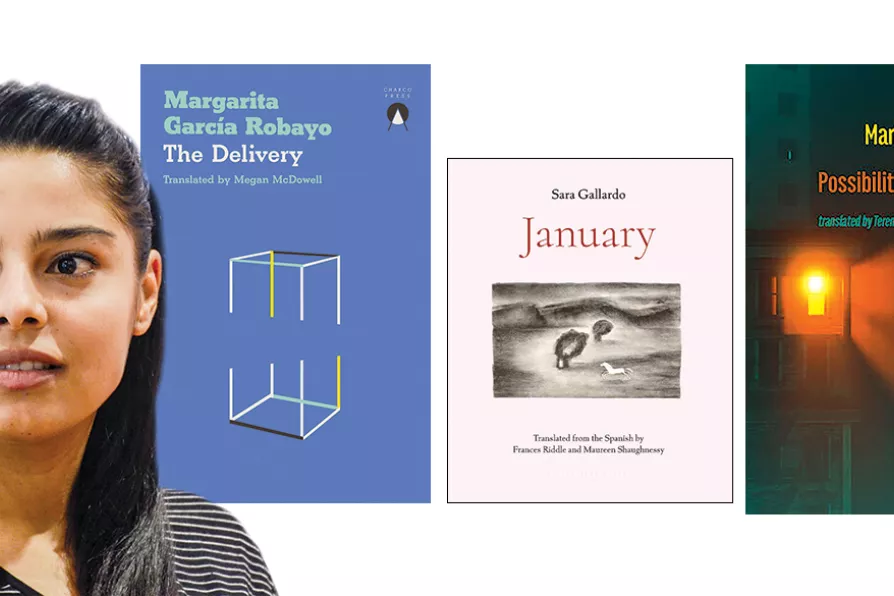
Reviews of a book of fiction by Colombian writer Margarita Garcia Robayo, a nouvelle by Argentinean author Sara Gallardo and a poetry collection by Argentinean-Spanish poet, novelist and musician Mariano Peyrou
 (Left) Margarita Garcia Robayo
[Kaloian-Ministerio de Cultura de la Nacion Argentina/CC]
(Left) Margarita Garcia Robayo
[Kaloian-Ministerio de Cultura de la Nacion Argentina/CC]
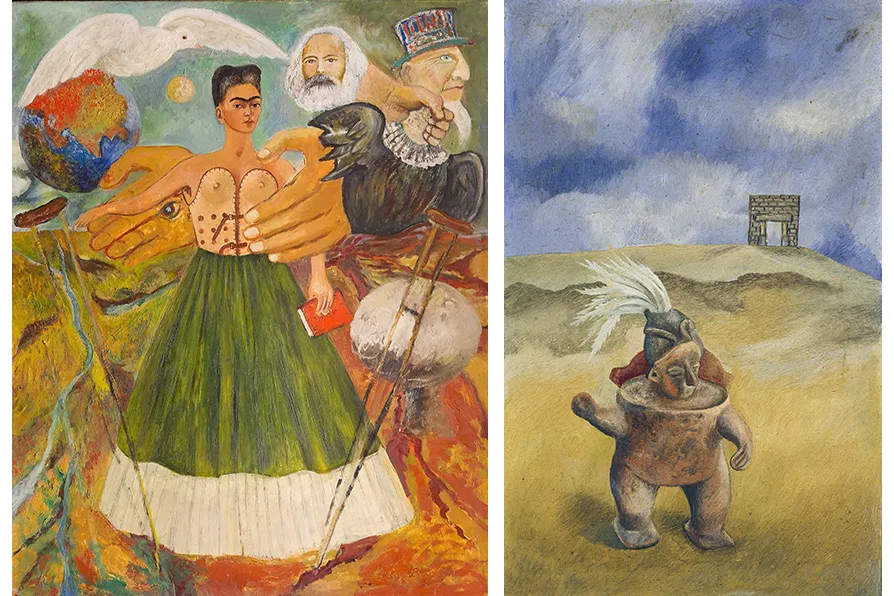
If you can see past the relentless commodification you will be rewarded by enormously powerful work, suggests JENNY MITCHELL
CHRIS SEARLE revels in the one-off collaboration between an American polymath and a British Muslim, and detects the presence of their revolutionary forebear
GORDON PARSONS revels in an ebullient production of Shakespeare’s magical comedy
BRENT CUTLER welcomes a thoughtful analysis of the Erdogan regime, viewed through the evolving history of a neighbourhood in Istanbul
GORDON PARSONS regrets the price, but is dazzled by an outstandingly ambitious study of the way art restoration in particular, and culture in general was weaponised by the Nazis





THE main protagonist in Margarita Garcia Robayo’s fast-paced novel The Delivery (Charco Press, £11.99) is a young Colombian woman writer living in Buenos Aires who often wears a T-shirt with the words “Rabid Fox” on it.
This is quite telling for a character who enjoys looking at half-finished and empty buildings, is despised by most of her neighbours for being “weird” and who thinks that families “are ambushes” and “flammable places.”
She will suddenly receive an enormous package from her sister that will eventually disrupt her daily life and will make a “fissure” in the real world. Robayo masterfully constructs a story of family ghosts and memories that put into question what it means to leave behind a country, family and friends for a new place.

Similar stories
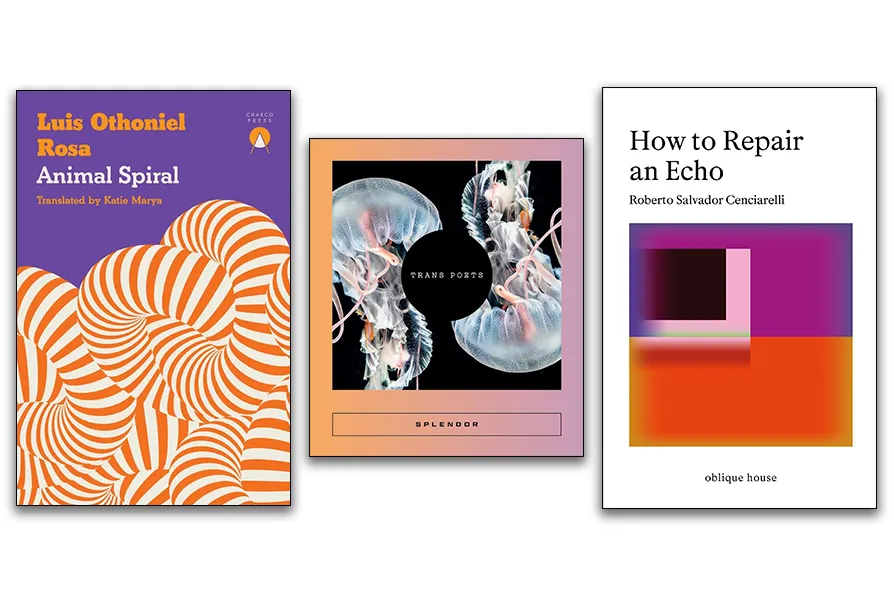
From post-human revolution in Puerto Rico to trans poetics and queer mythmaking, these three books that imagine new ways of being together
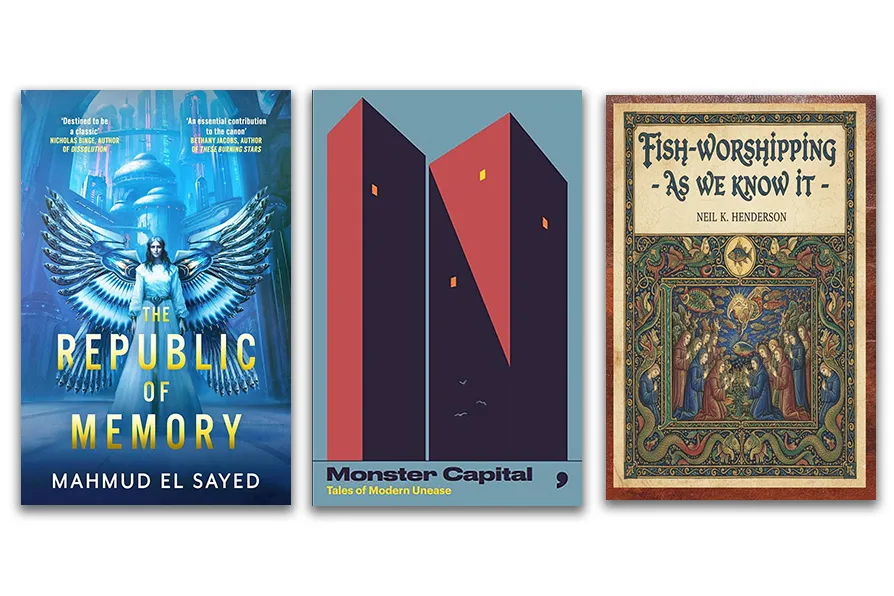
Do frozen colonists carry the virus of empire? Why is monstrosity a great way to describe capital? Was God a dustman?
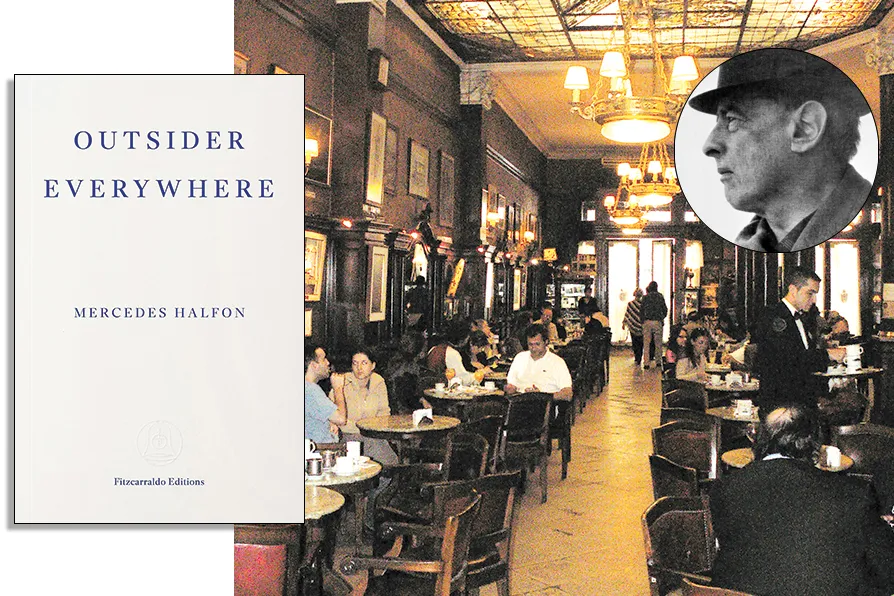
CHRIS MOSS joins the hunt in Argentina for the works of Poland’s most enigmatic exile
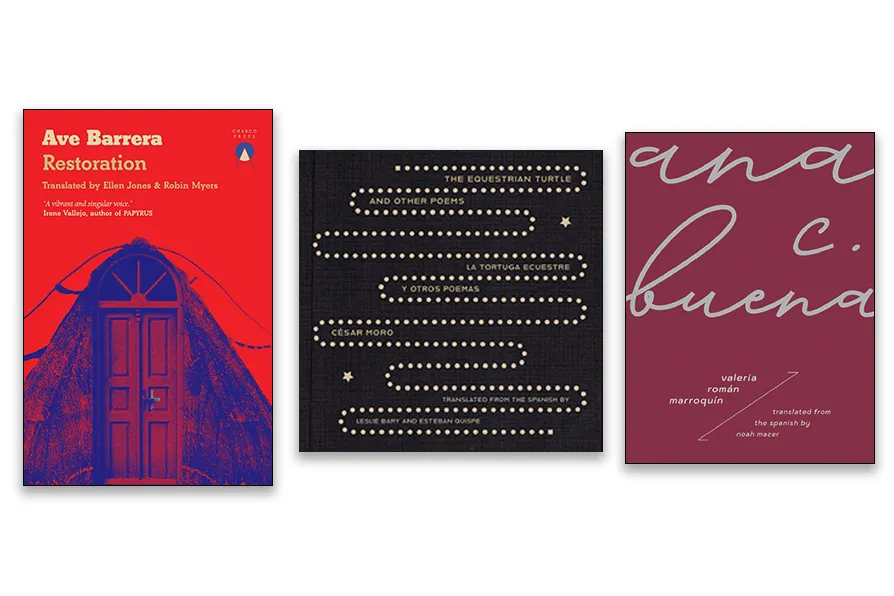
A ghost story by Mexican Ave Barrera, a Surrealist poetry collection by Peruvian Cesar Moro, and a manifesto-poem on women’s labour and capitalist havoc by Peruvian Valeria Roman Marroquin