To rescue Kahlo from the clutches of the corporate art market, we need to acknowledge the overt and covert political dimensions of the work, demands GAVIN O’TOOLE


 Latest editorial
‘Let stanzas like fighting slogans resound!’
The republication of Vladimir Mayakovsky’s epic poem on Lenin shows why he was a great revolutionary poet
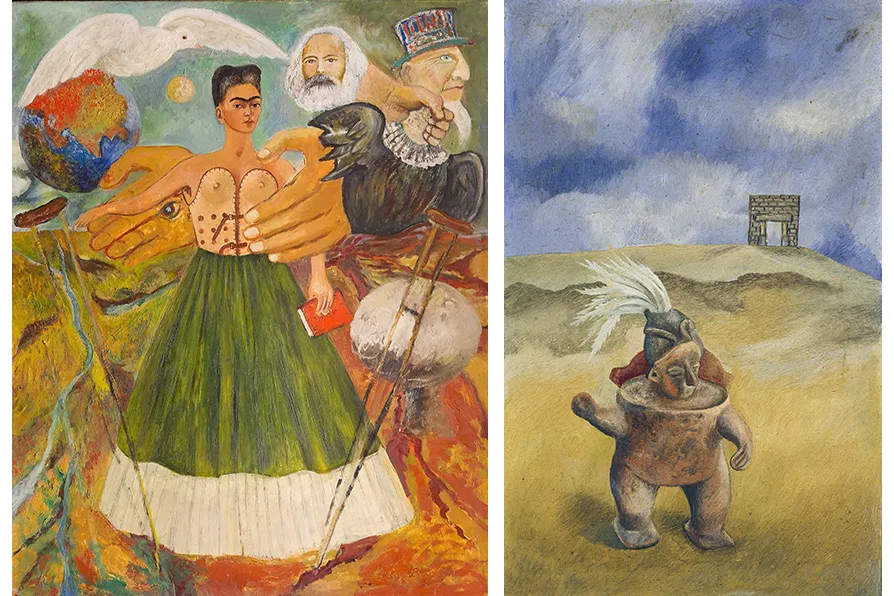
If you can see past the relentless commodification you will be rewarded by enormously powerful work, suggests JENNY MITCHELL
CHRIS SEARLE revels in the one-off collaboration between an American polymath and a British Muslim, and detects the presence of their revolutionary forebear
GORDON PARSONS revels in an ebullient production of Shakespeare’s magical comedy
BRENT CUTLER welcomes a thoughtful analysis of the Erdogan regime, viewed through the evolving history of a neighbourhood in Istanbul
GORDON PARSONS regrets the price, but is dazzled by an outstandingly ambitious study of the way art restoration in particular, and culture in general was weaponised by the Nazis





Of all the many Russian writers inspired and mobilised by the 1917 revolution, it is hard to think of anyone who typified the dynamic, experimental and highly factional literary culture of the early Soviet Union quite so vividly as the poet and playwright Vladimir Mayakovsky (1893-30).
A controversial character and a provocative writer, Mayakovsky always enjoyed a complicated relationship with the revolution. His Futurist poetry was criticised in the Soviet press and his satirical plays attacked for being “obscure.”
Lenin never understood Mayakovsky’s poetry, which he dismissed as “pretentious,” while Trotsky observed dryly that while “it is impossible to out-clamour war and revolution, it is easy to get hoarse in the attempt” and indeed one of Mayakovsky’s books was called At the Top of My Voice. These days Mayakovsky is usually regarded as a tortured love poet, an unstable bohemian or a dupe of the system and, in an attempt to re-establish his reputation as one the most important political poets of the 20th century, Smokestack Books has just published Mayakovsky’s formidable 3,000-line epic poem Vladimir Ilyich Lenin (£11.99).

Similar stories
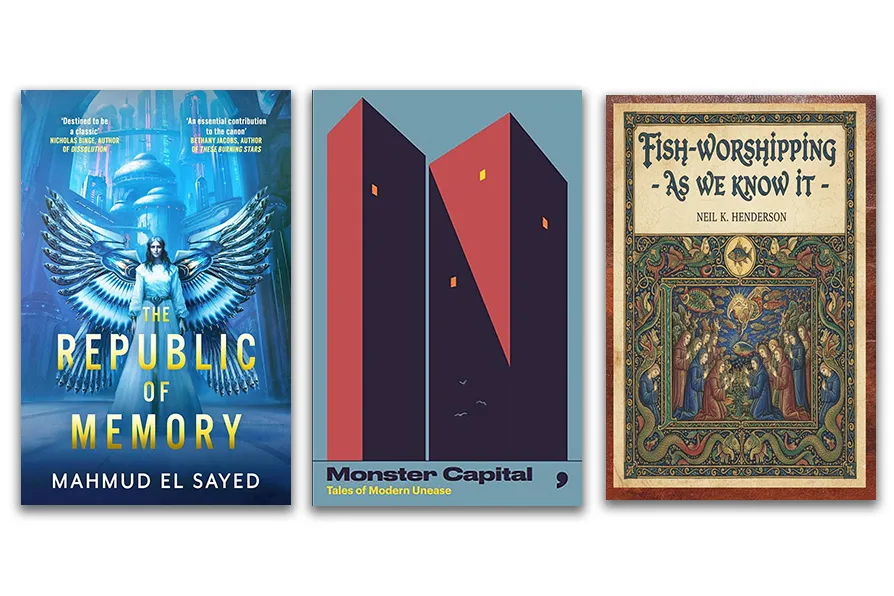
Do frozen colonists carry the virus of empire? Why is monstrosity a great way to describe capital? Was God a dustman?

JOHN REES replies to Claudia Webbe
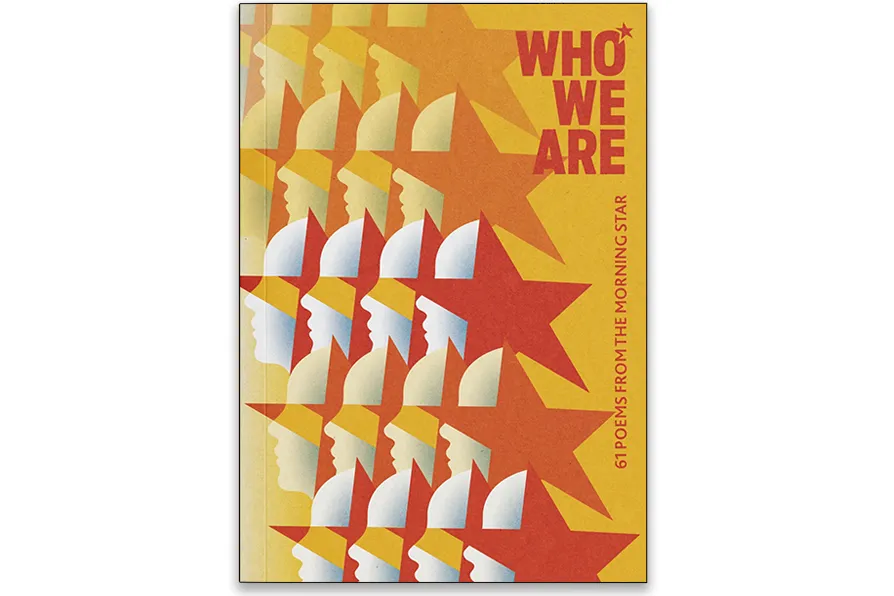
ANDY CROFT welcomes the publication of an anthology of recent poems published by the Morning Star, and hopes it becomes an annual event
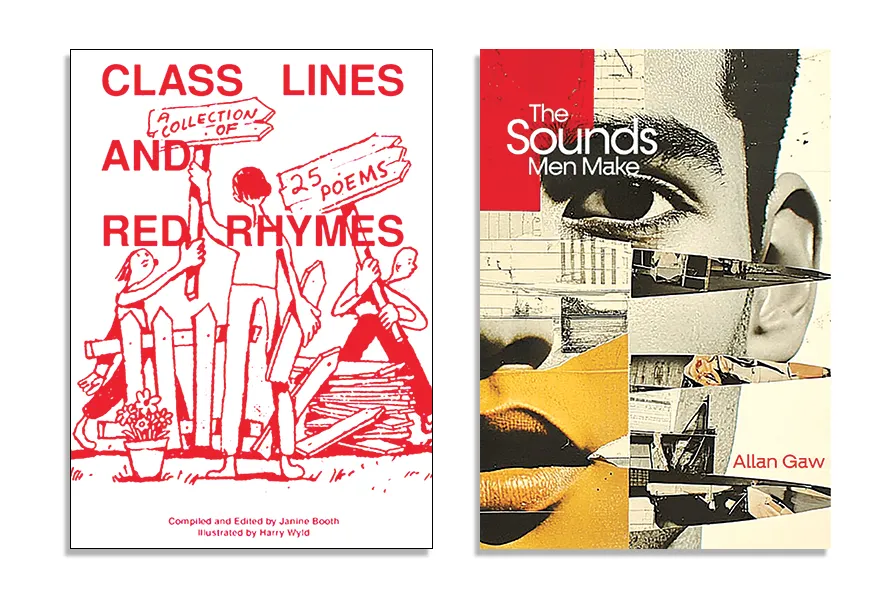
RUTH AYLETT reviews two collections of outright political poetry