

 Latest editorial






THOUSANDS of protesters demanded Italy’s withdrawal from Nato on Sunday evening as they accused the military alliance of fanning the flames of war in Ukraine.
Speakers at the rally in the capital Rome condemned the Italian government for sending weapons and military equipment to Kiev, branding it unconstitutional and against the national interest.
Mass opposition to Nato and Italy’s involvement in the Ukraine conflict has been led by Italian trade unionists.

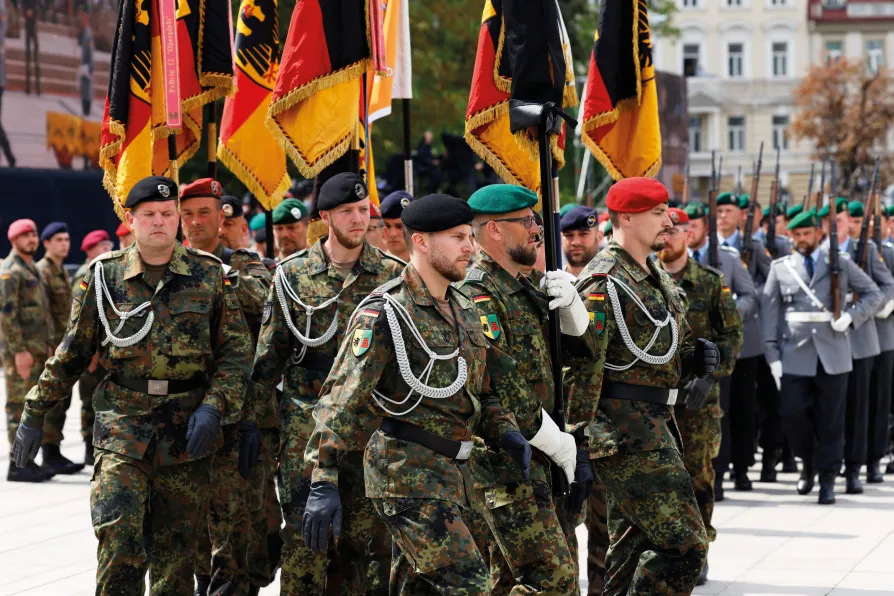
In the first half of a two-part article, PETER MERTENS looks at how Nato’s €800 billion ‘Readiness 2030’ plan serves Washington’s pivot to the Pacific, forcing Europeans to dismantle social security and slash pensions to fund it
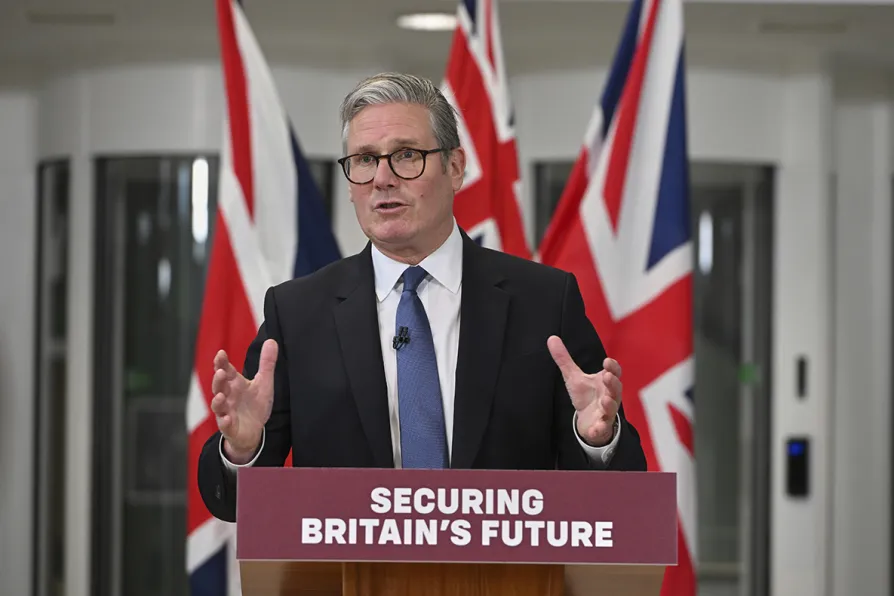
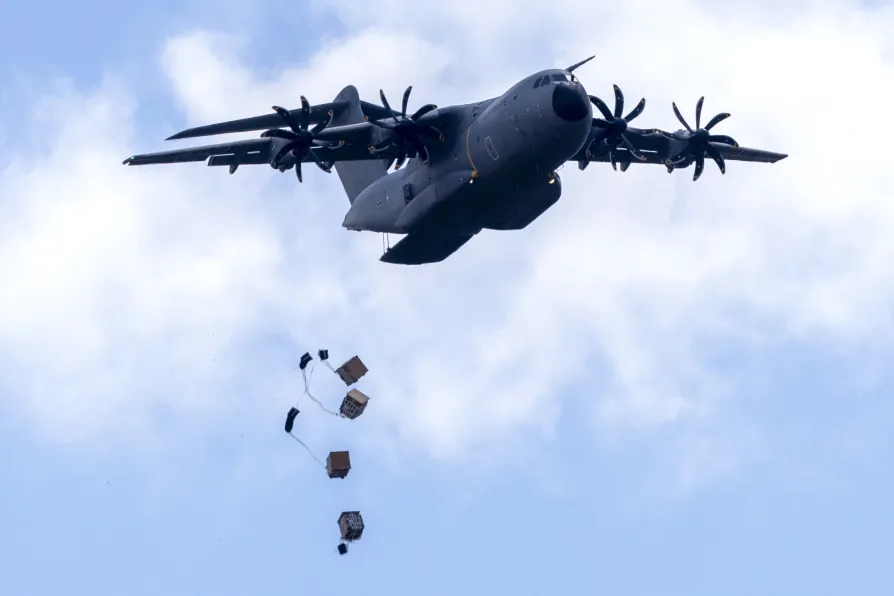
Speaking to a CND meeting in Cambridge this week, SIMON BRIGNELL traced how the alliance’s anti-communist machinery broke unions, diverted vital funds from public services, and turned workers into cannon fodder for profit

As Britain marks 80 years since defeating fascism, it finds itself in a proxy war against Russia over Ukraine — DANIEL POWELL examines Churchill’s secret plan to attack our Soviet allies in 1945 and traces how Nato expansion, a Western-backed coup and neo-nazi activism contributed to todays' devastating conflict