All the evidence shows voters want Labour to shift to the left — but initial signs from Andy Burnham are worrying on that front, cautions DIANE ABBOTT


 Latest editorial
Israel’s war on Gaza and the global upsurge against it
This battle is not limited to Palestine or even the Middle East: this conflict is one between the global North and the developing world, the future and the past, writes VIJAY PRASHAD
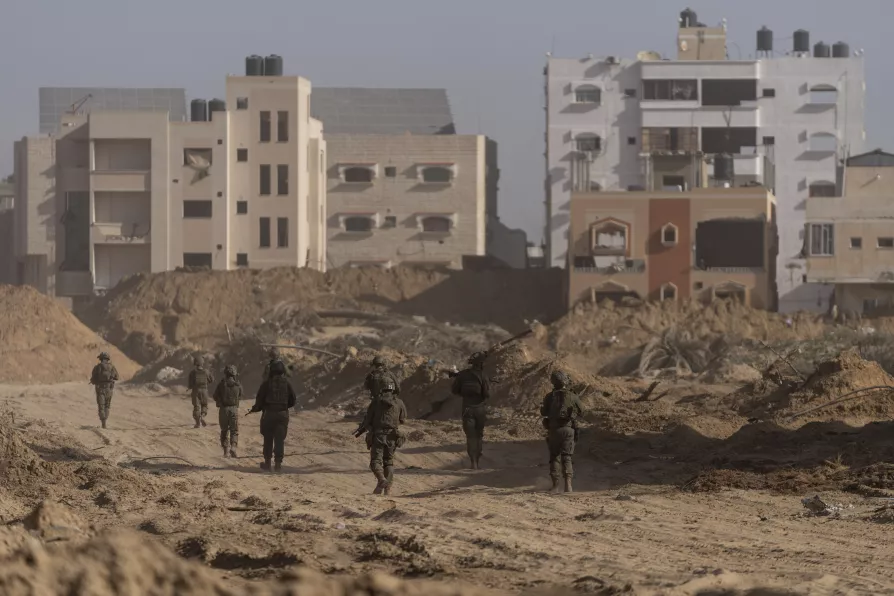 Israeli soldiers walk through the destroyed Khan Younis, Gaza Strip, January 10, 2024

ANDY McDONALD MP says Labour must show it is capable of delivering real improvements in people’s lives — bold action is required
ANGUS REID and ANDREW JOHNSTONE report on an initiative that we must take this summer
ALLISON FEWTRELL on what Plaid Cymru's historic election victory means for the communities being failed by Wales’s housing crisis, and four things the new government can do right now
France Insoumise MP JEROME LEGAVRE speaks to Christophe Domec on building the Europe-wide peace movement that came together in the International Conference Against War last weekend
At last weekend’s International Conference Against War, LINDA PENTZ GUNTER talks to the Palestinian physician and politician about the struggles ahead to achieve a truly free Palestine





HUNDREDS of millions of people across the world have been deeply moved by the atrocity of the Israeli war on Palestine. Millions have attended marches and protests, many of them participating in such manifestations for the first time in their lives.
Social media, in almost all the world’s languages, is saturated with memes and posts about this or that terrible action. Some people focus on the Israeli attack on Palestinian children, others on the illegal targeting of Gaza’s health infrastructure, and yet others point to the annihilation of at least 400 families (more than 10 people in each family killed).
The focus of attention does not seem to be diminishing. Holidays in December went by, but the intensity of the protests and the posts remained steady. No attempt by social media companies to turn the algorithm against the Palestinians succeeded, no attempt to ban the protests — even the display of the Palestinian flag — worked.

Similar stories
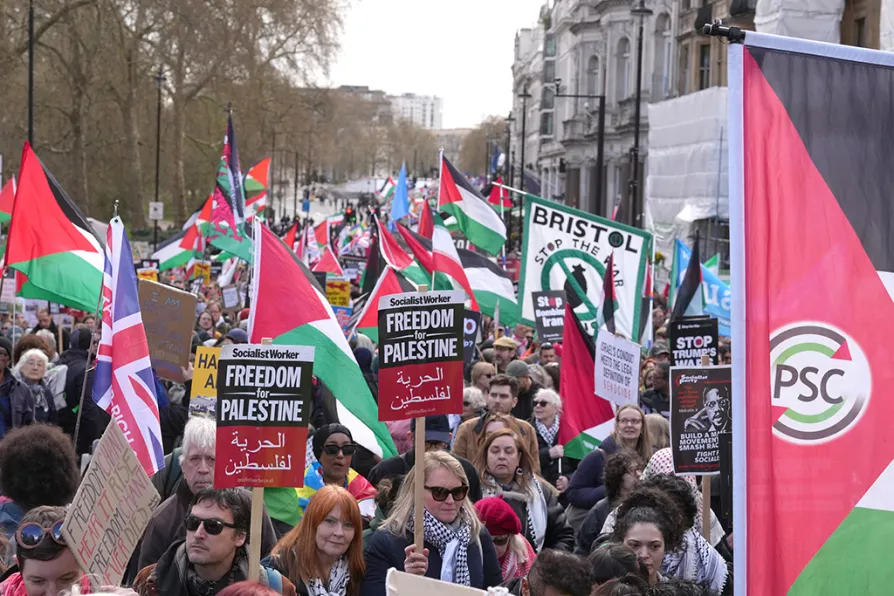
The struggle for Palestinian freedom has become a defining issue for everyone committed to justice, democracy and peace, says PETER LEARY ahead of the Stop the War International Conference on Saturday
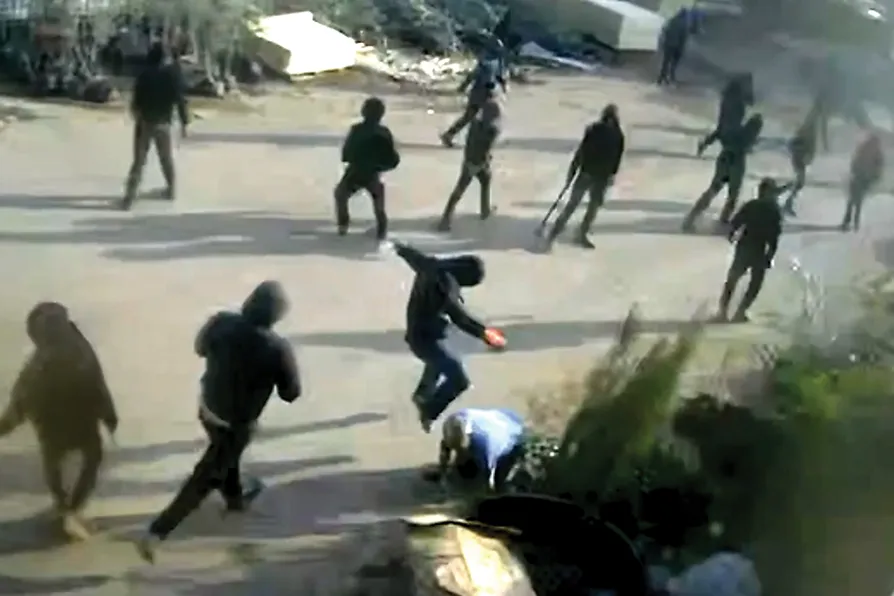
RAMZY BAROUD looks at how entire West Bank communities have been shattered, their social and physical fabric deliberately dismantled by Israel to enable its formal annexation
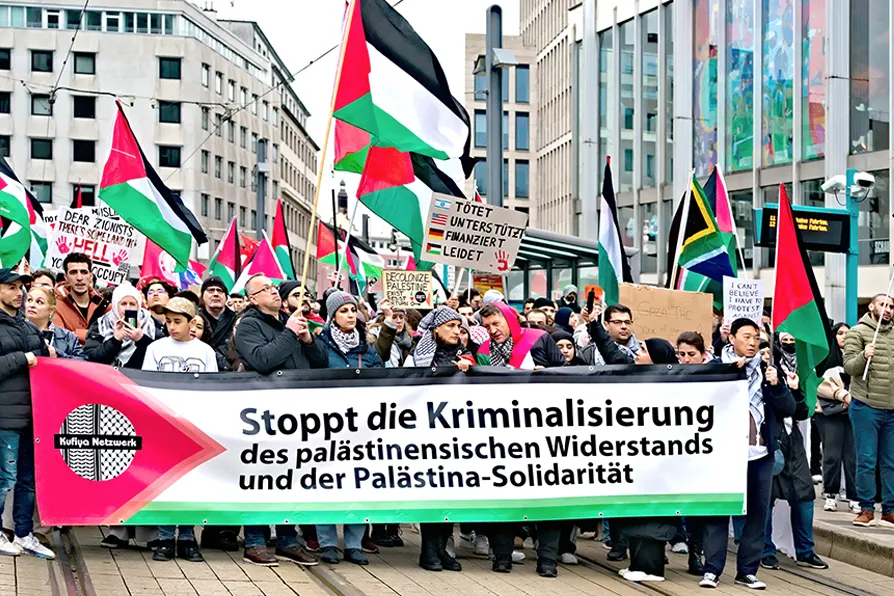
After NGOs and the EU, UN condemns Germany’s crackdown on Palestine Solidarity, writes LEON WYSTRYCHOWSKI
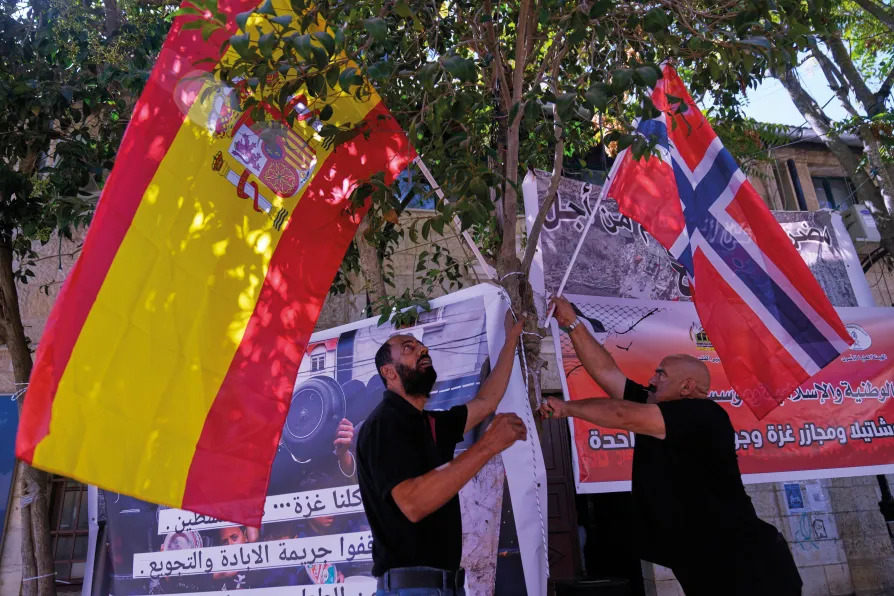
Spain has joined South Africa’s ICJ genocide case against Israel while imposing weapons bans and port restrictions, moves partly driven by trade unions — proving just how effectively civil society can reshape government policy, writes RAMZY BAROUD