All the evidence shows voters want Labour to shift to the left — but initial signs from Andy Burnham are worrying on that front, cautions DIANE ABBOTT


 Latest editorial
How small is light?
Understanding how light can be fused with matter is the key to a major new technology — but researchers in Southampton have found a limit to how small you can go, write ROX MIDDLETON, LIAM SHAW and JOEL HELLEWELL
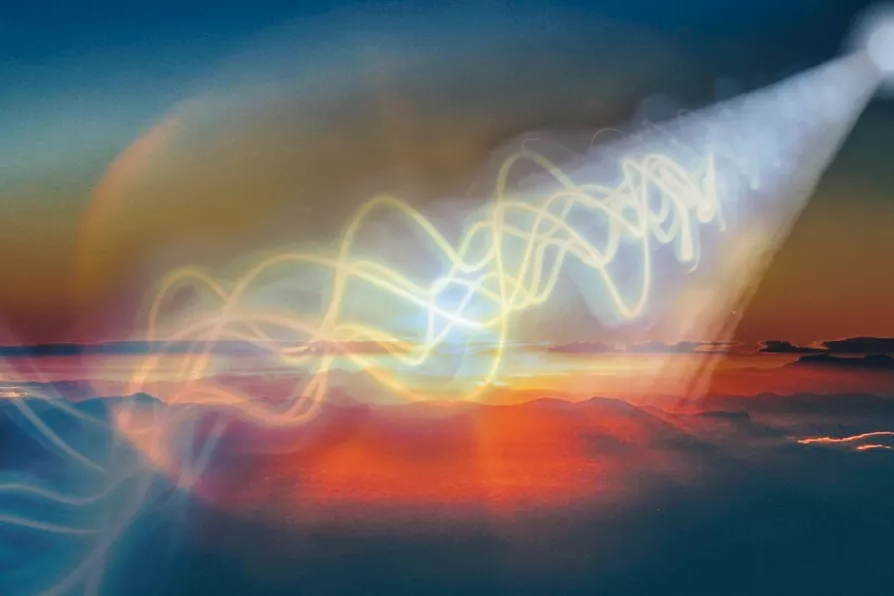 Waves of light are surprisingly big, only a very tiny bit smaller than the smallest thing we can see — a good gauge for imagining the size of light is a thread in a spider web

ANDY McDONALD MP says Labour must show it is capable of delivering real improvements in people’s lives — bold action is required
ANGUS REID and ANDREW JOHNSTONE report on an initiative that we must take this summer
ALLISON FEWTRELL on what Plaid Cymru's historic election victory means for the communities being failed by Wales’s housing crisis, and four things the new government can do right now
France Insoumise MP JEROME LEGAVRE speaks to Christophe Domec on building the Europe-wide peace movement that came together in the International Conference Against War last weekend
At last weekend’s International Conference Against War, LINDA PENTZ GUNTER talks to the Palestinian physician and politician about the struggles ahead to achieve a truly free Palestine





LIGHT is a wave. But what is doing the waving? The abstract idea of a disembodied wave is extremely hard to conceive of. Just as you can’t imagine a wave in the ocean without the ocean, or a wave of a hand without a hand, it’s confusing that we would ever try to imagine a light wave without thinking about what the wave is travelling through.
In order to answer “what is waving,” the physicists who invented our modern description of light constructed the idea of the electromagnetic field. The field permeates every point of space in the universe, whether there is any matter or light at that point or not. The field at any point describes the amount and direction of electrical and magnetic force that is present at that place.
The wave that is light is a pulse of energy that passes in a straight line, carried as fluctuations in the electromagnetic field. Any point on the line undergoes a very quick change back and forth in the electric and magnetic forces as the light passes through. In fact the changing back and forth of the field is itself the light moving. Just like the way that water at the surface of a lake moves up and down as a ripple passes through the surface, and the movement up and down of the water is actually the ripple itself.
Why is it helpful to think about the wave-like nature of light? There are many effects that are easier to explain once you have the idea that light acts like a wave passing through a field.
One particularly striking feature is that when you imagine the light wave that passes through the field, it necessarily means that the wave takes up a certain amount of physical space.
The light wave has a length over which the light at any time is spread. To think about the water waves again, if you are on a boat bobbing up and down as waves pass underneath the boat, then the length of the wave is the distance between the peak of the wave you have reached the top of, and the next wave that you can see coming.

Similar stories
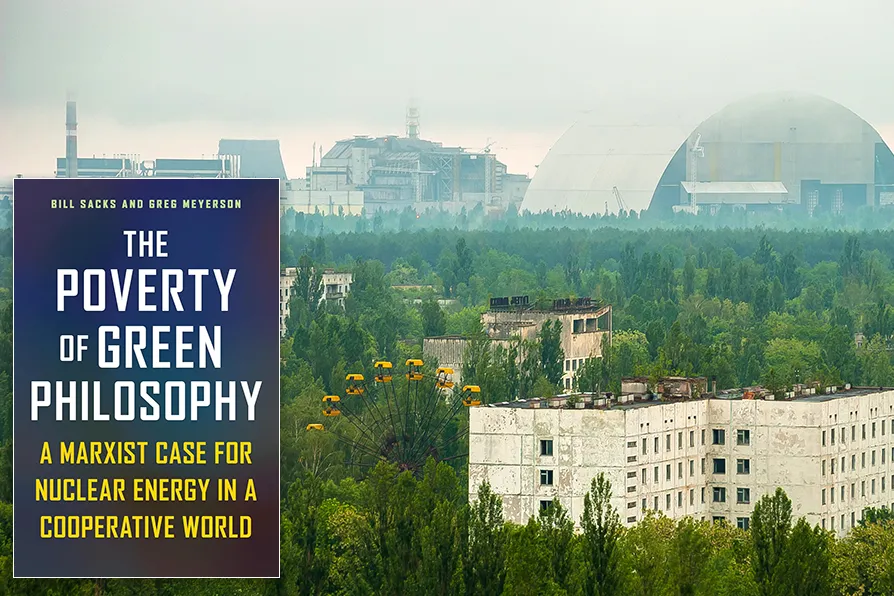
BRENT CUTLER welcomes a valuable contribution to discussions around the need to de-carbonise energy production
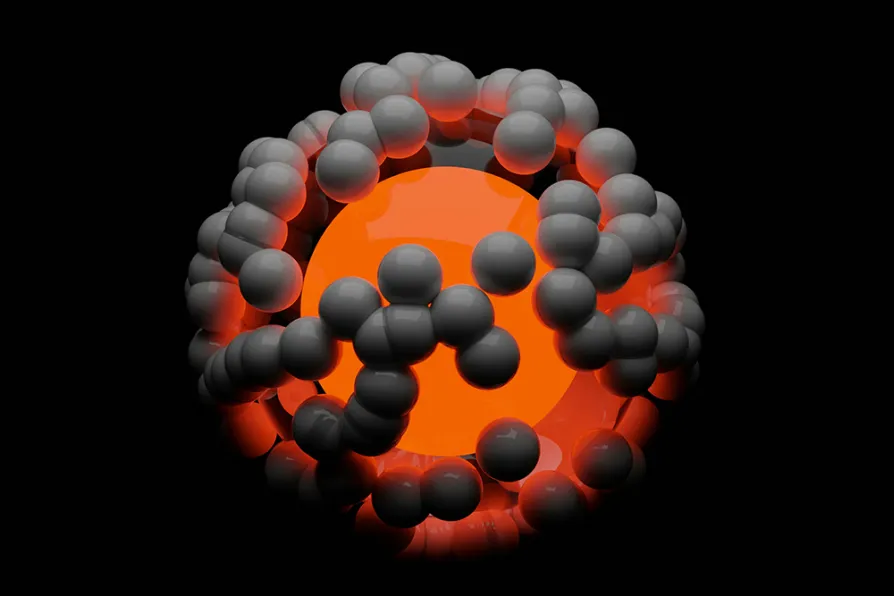
Neutrinos are so abundant that 400 trillion pass through your body every second. ROX MIDDLETON, LIAM SHAW and MIRIAM GAUNTLETT explain how scientists are seeking to know more about them

One of the major criticisms of China’s breakneck development in recent decades has been the impact on nature — returning after 15 years away, BEN CHACKO assessed whether the government’s recent turn to environmentalism has yielded results
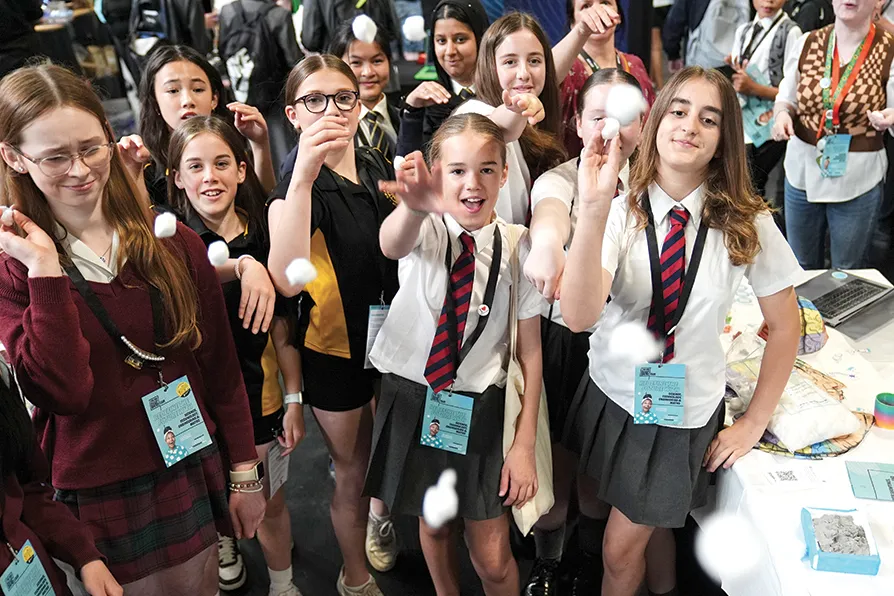
What’s behind the stubborn gender gap in Stem disciplines ask ROX MIDDLETON, LIAM SHAW and MIRIAM GAUNTLETT in their column Science and Society