All the evidence shows voters want Labour to shift to the left — but initial signs from Andy Burnham are worrying on that front, cautions DIANE ABBOTT


 Latest editorial
Greater fragmentation, a weaker centre and polarisation – what produced the new European Parliament?
With notable exceptions, the left did badly in the EU elections. Why? There are no easy answers, writes KEVIN OVENDEN
ANDY McDONALD MP says Labour must show it is capable of delivering real improvements in people’s lives — bold action is required
ANGUS REID and ANDREW JOHNSTONE report on an initiative that we must take this summer
ALLISON FEWTRELL on what Plaid Cymru's historic election victory means for the communities being failed by Wales’s housing crisis, and four things the new government can do right now
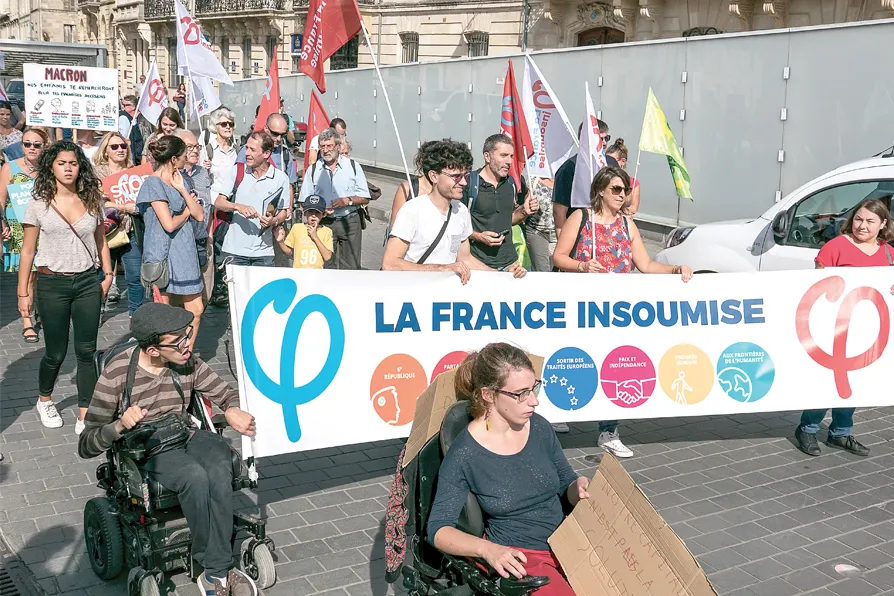
France Insoumise MP JEROME LEGAVRE speaks to Christophe Domec on building the Europe-wide peace movement that came together in the International Conference Against War last weekend
At last weekend’s International Conference Against War, LINDA PENTZ GUNTER talks to the Palestinian physician and politician about the struggles ahead to achieve a truly free Palestine





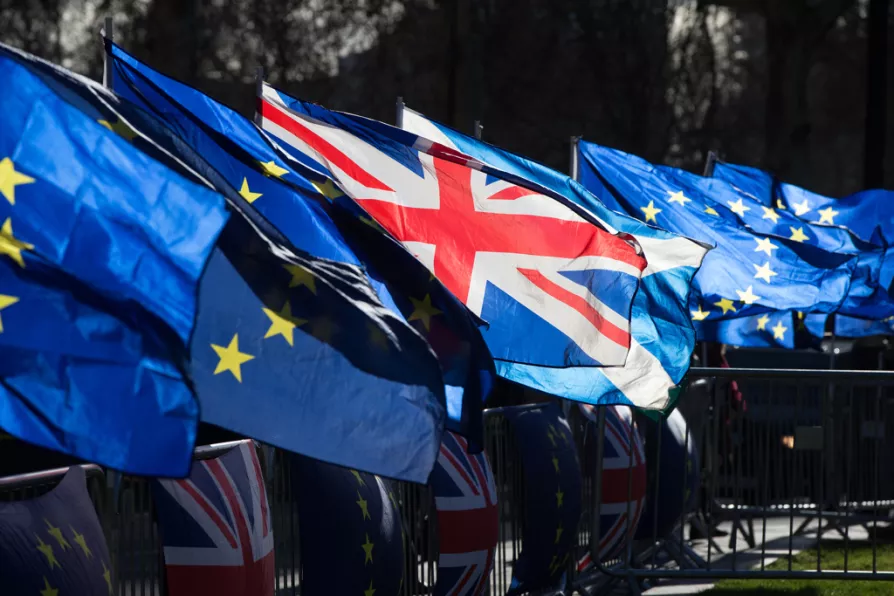
THE European elections confirmed the crisis of the European political systems. It predates the 2008 crash but was accelerated by it.
There isn’t a single “European electorate” but an agglomeration of 28 national political realities. The European Parliament lacks anything like the power of national legislatures.
That’s why though turnout was up in 20 countries and hit a 20-year high, it still fell far short (with most working-class voters abstaining) of a national election — except in Belgium where there was a general election.

Similar stories
JOHN REES replies to Claudia Webbe

From Reform UK to Trump, Orban and beyond, the far right is organised across borders and growing. Waiting for it to collapse is a fatal error – building an international, locally rooted left alternative is now an urgent necessity., argues ROGER McKENZIE
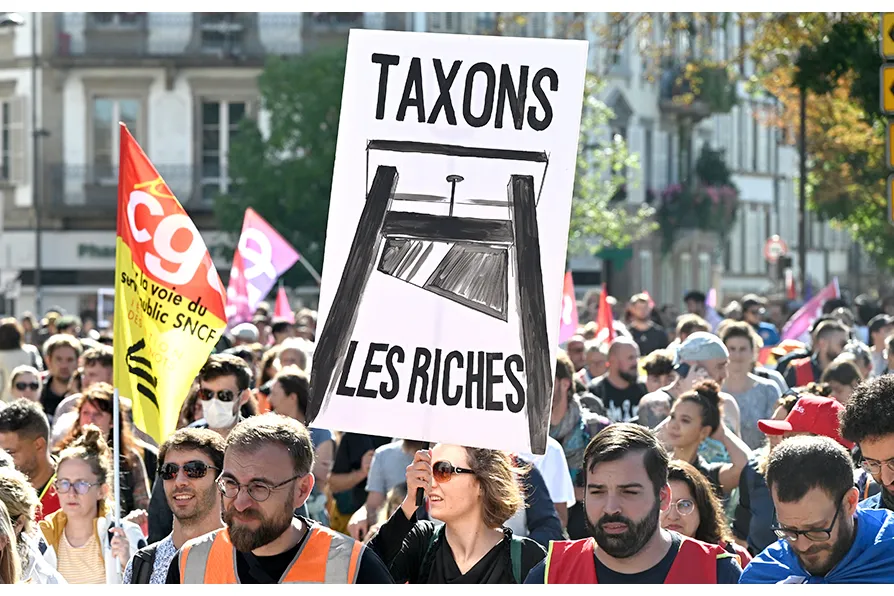
The desperate French president keeps running up the same political cul-de-sac. DENNIS BROE offers an explanation
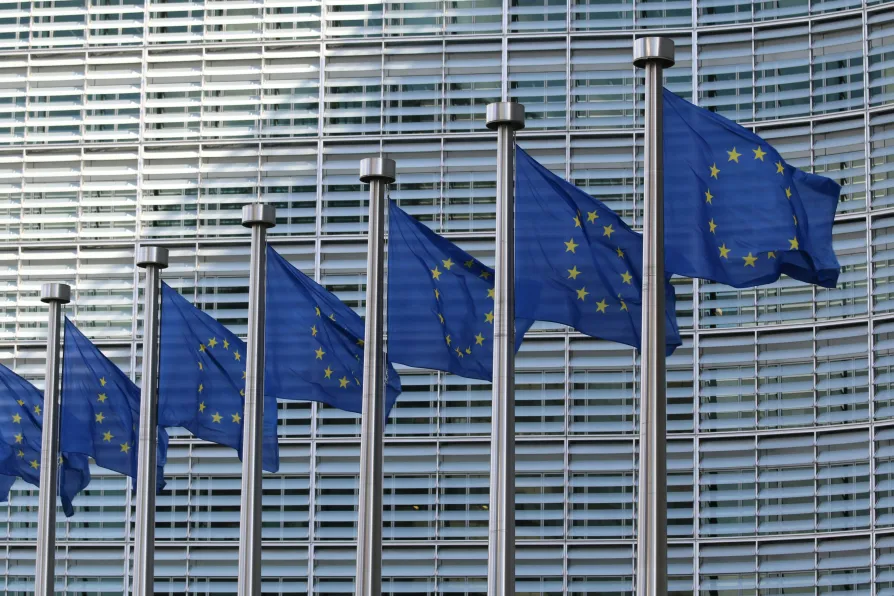
Starmer sabotaged Labour with his second referendum campaign, mobilising a liberal backlash that sincerely felt progressive ideals were at stake — but the EU was then and is now an entity Britain should have nothing to do with, explains NICK WRIGHT