To rescue Kahlo from the clutches of the corporate art market, we need to acknowledge the overt and covert political dimensions of the work, demands GAVIN O’TOOLE


 Latest editorial
Good old-fashioned filth
GORDON PARSONS recommends an ideal introduction to the writer who was first to give the English a literary language
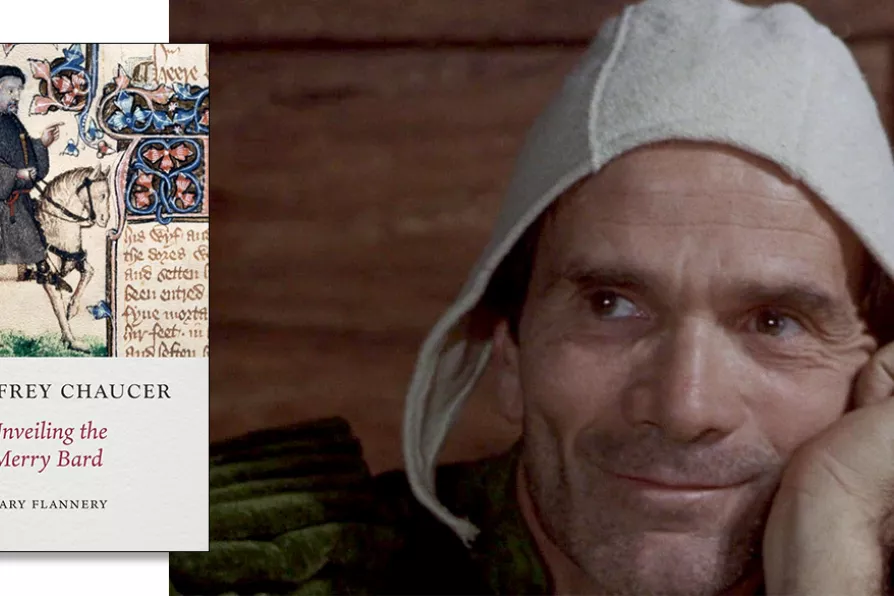 Pier Paolo Pasolini as Chaucer in his film of The Canterbury Tales
[IMBd]
Pier Paolo Pasolini as Chaucer in his film of The Canterbury Tales
[IMBd]
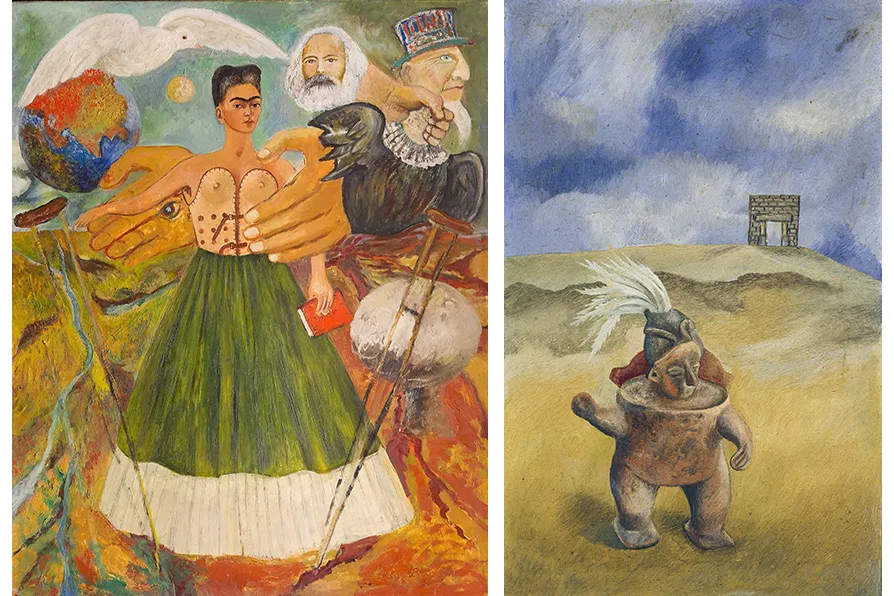
If you can see past the relentless commodification you will be rewarded by enormously powerful work, suggests JENNY MITCHELL
CHRIS SEARLE revels in the one-off collaboration between an American polymath and a British Muslim, and detects the presence of their revolutionary forebear
GORDON PARSONS revels in an ebullient production of Shakespeare’s magical comedy
BRENT CUTLER welcomes a thoughtful analysis of the Erdogan regime, viewed through the evolving history of a neighbourhood in Istanbul
GORDON PARSONS regrets the price, but is dazzled by an outstandingly ambitious study of the way art restoration in particular, and culture in general was weaponised by the Nazis





Geoffrey Chaucer: Unveiling the Merry Bard
Mary Flannery, Reaktion Books, £16.99
GIVEN that even with the enormous modern research into Shakespeare’s life there is still a paucity of detailed knowledge, Mary Flannery is courageous in taking on a biography of the other icon of English literature, Geoffrey Chaucer, of whose personal life even less is known.
She does have the advantage, however, that medieval records provide revealing evidence of the latter whose active public life as civil servant, diplomat and MP was spent on the fringes of administrative and political power during the tumultuous later years of the 14th century.
When she comes to what kind of man Chaucer was, her descriptions are necessarily very largely based on suppositions. Her account is prefaced regularly with phrases such as ”it is unclear,” “it may have been,” and “it seems problematic.” Even a description of the construction of a new Custom House including a latrine which, it is “conjectured” Chaucer, customs comptroller (sic) for the Port of London, may have used.

Similar stories
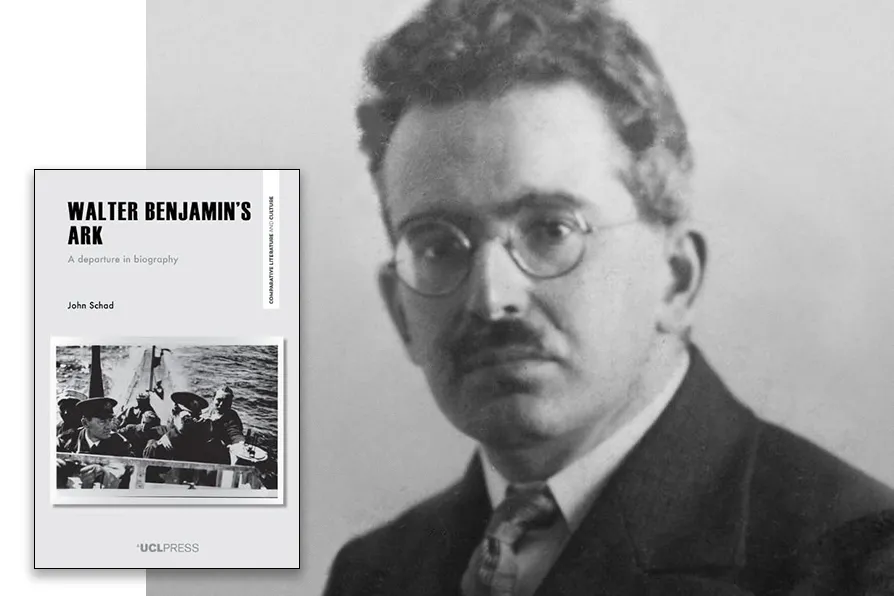
GORDON PARSONS is intrigued by a biography of the Marxist intellectual and author, made from the point of view of his son
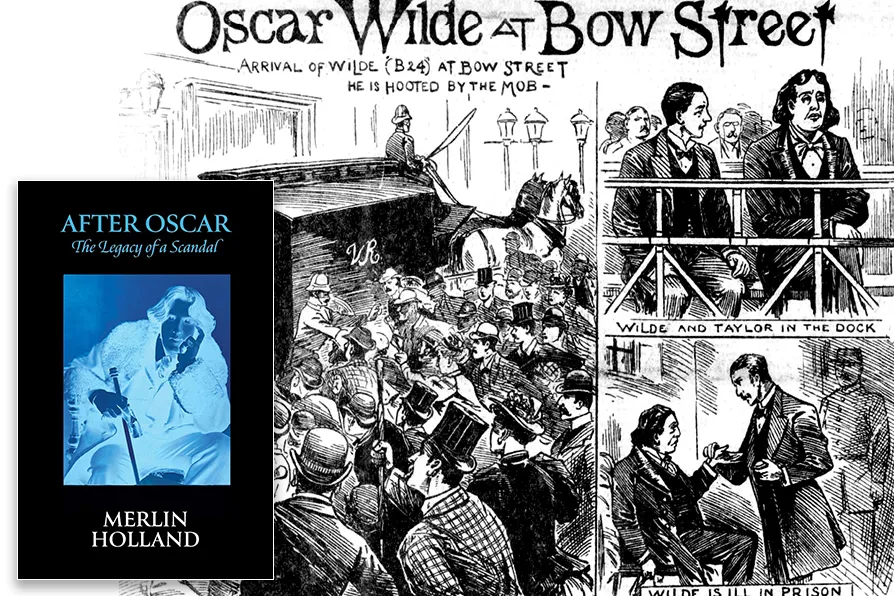
MARJORIE MAYO welcomes an account of family life after Oscar Wilde, a cathartic exercise, written by his grandson

KEN COCKBURN relishes the memoir of a translator, but wonders whether the autobiography underlying the impulse would make a better book
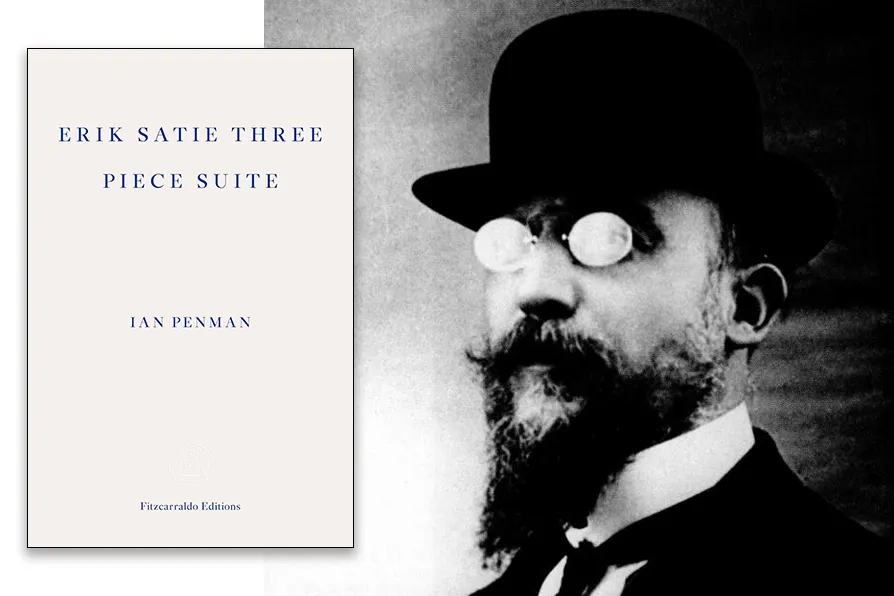
ANDY HEDGECOCK relishes an exuberant blend of emotion and analysis that captures the politics and contrarian nature of the French composer