Newly revealed documents reveal that MI5 taught Brazilian secret police the techniques deployed by the 1964-85 military dictatorship in horrific prisons like Rio de Janeiro’s House of Death. SARA VIVACQUA reports


 Latest editorial

Food production: it's time a for a rural rising
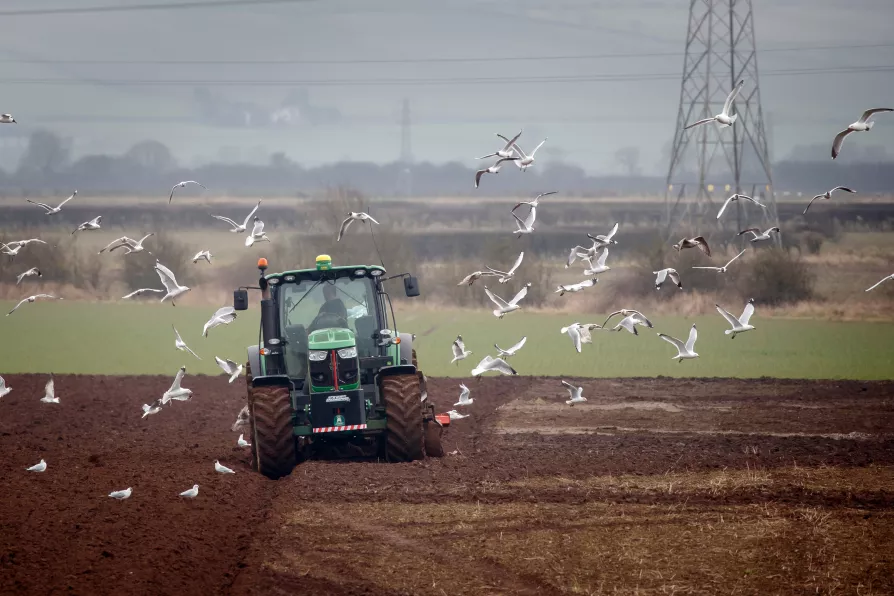
Simple improvements in countryside communities' income, working conditions and economic support is urgently necessary, but a plan for a revolution in agriculture is also needed — and entirely feasible, argues PHIL KATZ
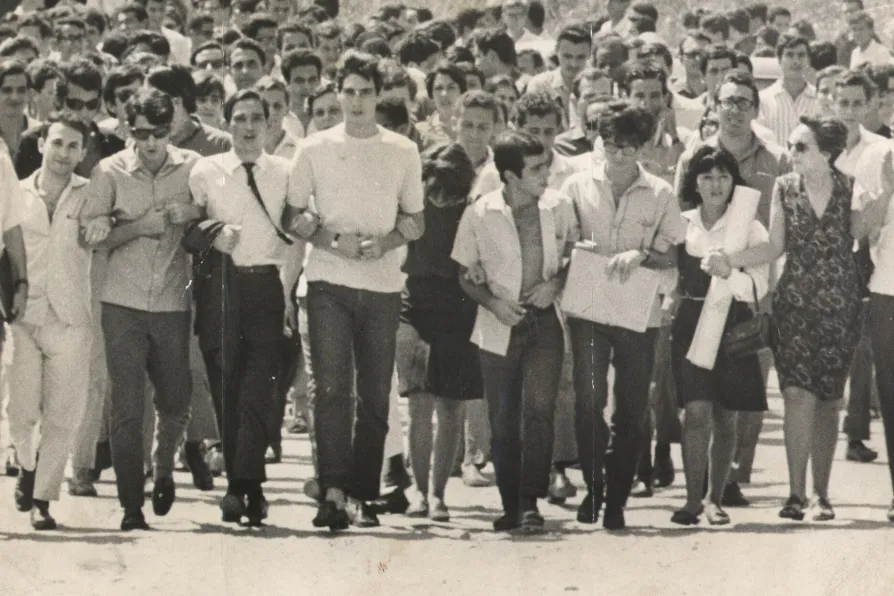
CHRISTOPHE DOMEC speaks to the France Insoumise politician facing constant persecution from French authorities
It can be hard to discern conspiracy theory from reality and under the Trump regime the two might just be the same thing, writes Linda Pentz Gunter
ALAN SIMPSON says responses to the Golders Green attacks risk deepening divides across our country
Capturing the general strikes history is a vital part of our struggles today, posits HENRY FOWLER
On a tumultuous day in Welsh politics DAVID NICHOLSON looks at the key issues for progressives in Wales to grapple with the rise of the far right





THE WAR in Ukraine has demonstrated how tenuous our food chain is. Climate change and July’s record-breaking heatwave served as a warning, as animals and crops struggled with the heat as much as humans. The threat of water shortage is back. Seven million adults visited a foodbank in May. And in a country that imports more than 80 per cent of its fruit and over 45 per cent of its vegetables from abroad, fuel price rises will affect food price rises.
Monopoly ownership in the energy, water and food sectors will ensure that prices carry on rising. To transform our countryside we need first to talk about land ownership, monopoly control of food retail, hedge fund speculation, climate change and long-term plans.
Who owns what?
Similar stories
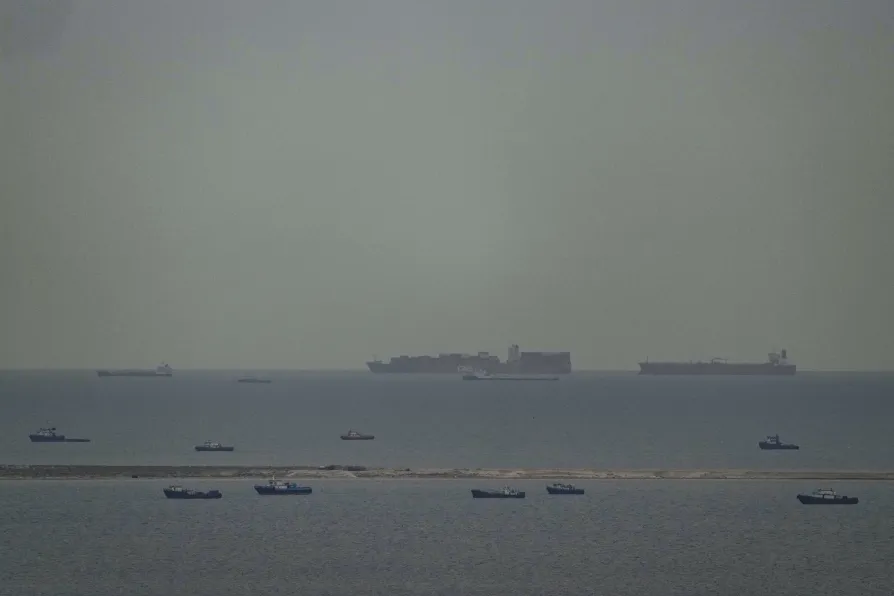
Fertiliser chaos triggered by Gulf conflict could send prices soaring and leave millions facing devastating hunger, writes DYLAN MURPHY
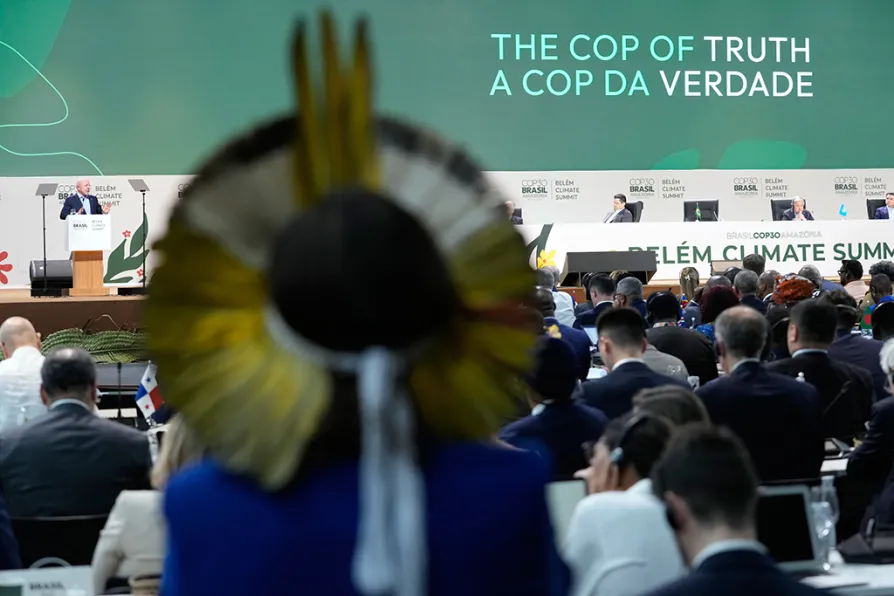
From summit to summit, imperialist companies and governments cut, delay or water down their commitments, warn the Communist Parties of Britain, France, Portugal and Spain and the Workers Party of Belgium in a joint statement on Cop30
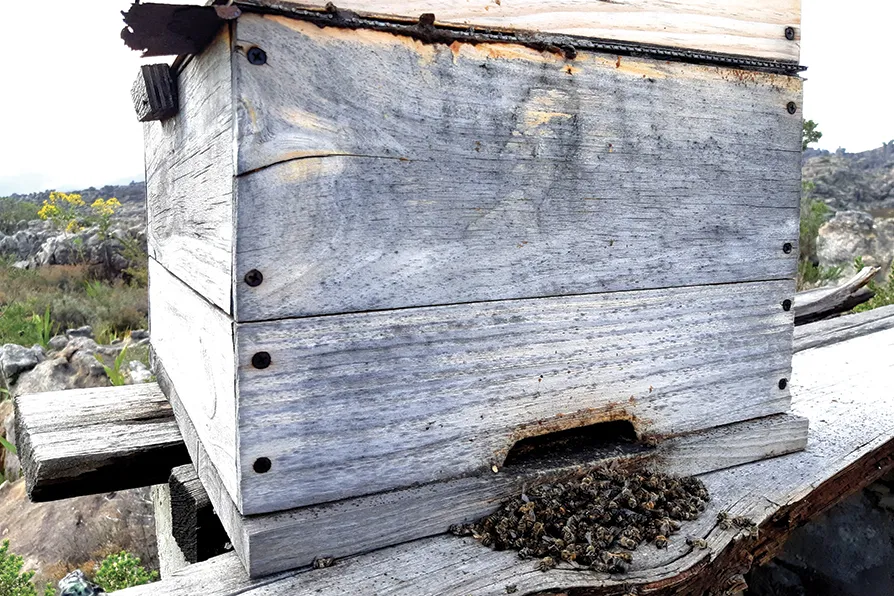
The West’s dangerous pesticide dumping in Africa is threatening biodiversity, population health and food sovereignty, argues ROGER McKENZIE
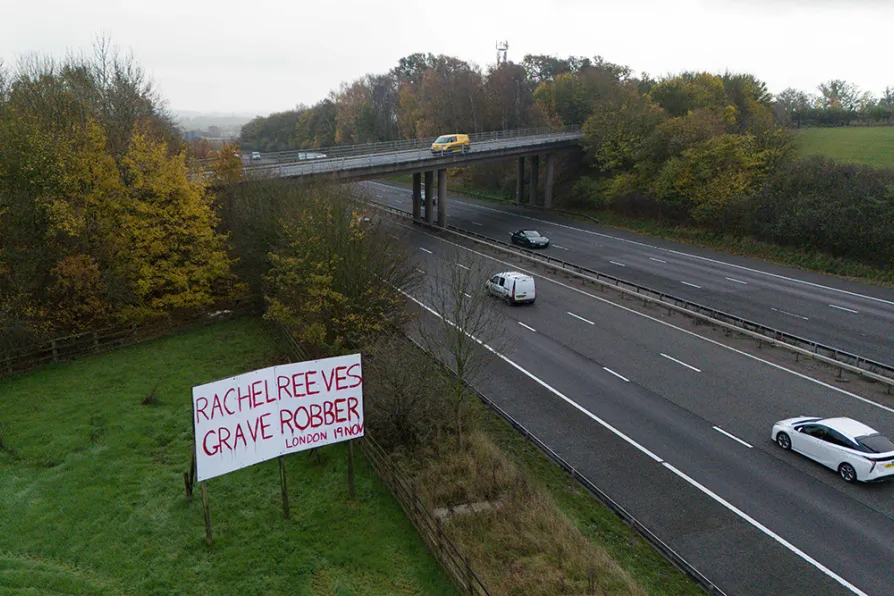
CAROL WILCOX argues for the proper implementation of the land value tax, which could see unused plots sold off and landlords priced out of landlordism, potentially resolving the housing and planning crises