Latest editorial
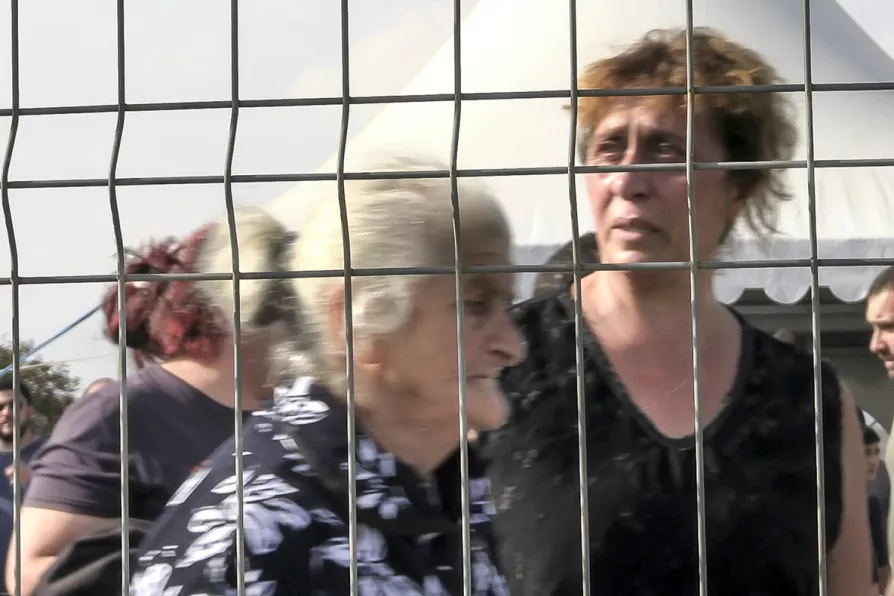 In this image taken from video, refugees from the first group of about 30 people from Nagorno-Karabakh gather in a temporary camp after arriving to Armenia's Kornidzor village in Syunik region, Armenia, Sunday, September 24, 2023






FEARS for the safety of Nagorno-Karabakh’s ethnic Armenians grew today as the first refugees arrived in Armenia, following Azerbaijan’s brutal invasion of the breakaway republic.
Thousands of people have evacuated from the cities and villages in Nagorno-Karabakh, after Azerbaijan broke its ceasefire agreement with the separatist government and launched a bloody invasion last Tuesday.
After just 24 hours of fighting, the government of Artsakh, as the Armenian separatists call Nagorno-Karabakh, announced that it had capitulated to Azerbaijani President Ilham Aliyev’s demands.


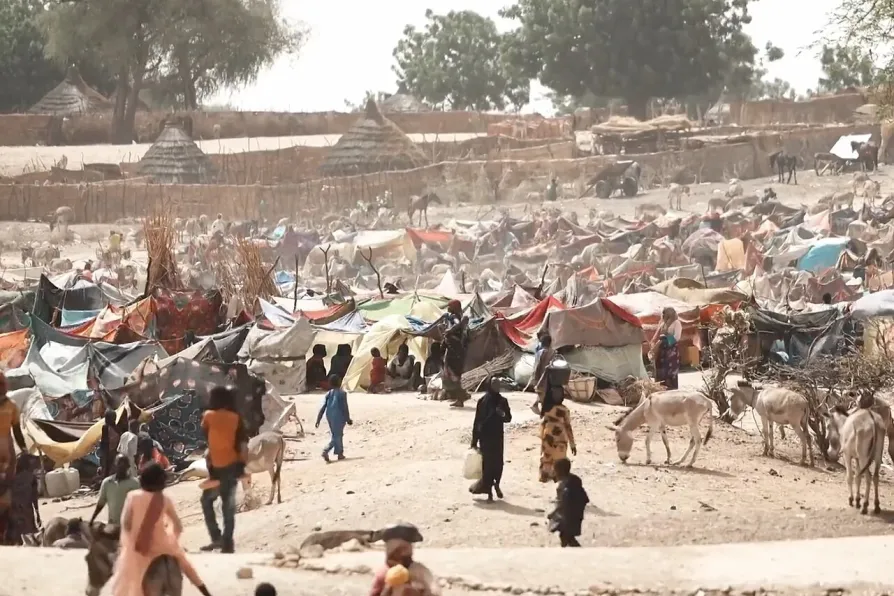
The spectre of ethnic cleansing looms over hundreds of thousands trapped without food, water, or medicines in the North Darfur state’s besieged capital, El Fasher, writes PAVAN KULKARNI