All the evidence shows voters want Labour to shift to the left — but initial signs from Andy Burnham are worrying on that front, cautions DIANE ABBOTT


 Latest editorial
Workers strike back!
The most powerful tool of organised labour is the strike but there is no record kept of where these actions are taking place. Strike Map UK want to change that, write HENRY FOWLER and ROBERT POOLE
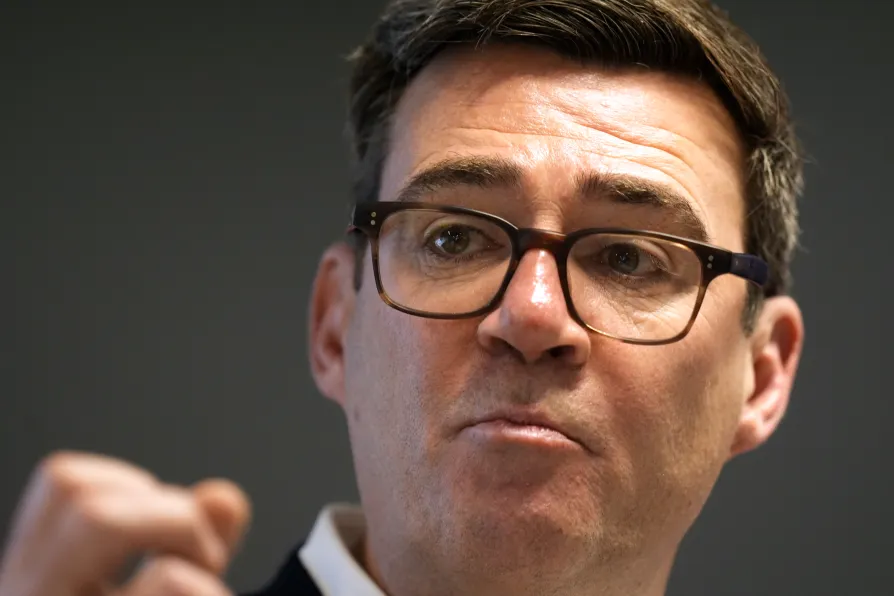
ANDY McDONALD MP says Labour must show it is capable of delivering real improvements in people’s lives — bold action is required
ANGUS REID and ANDREW JOHNSTONE report on an initiative that we must take this summer
ALLISON FEWTRELL on what Plaid Cymru's historic election victory means for the communities being failed by Wales’s housing crisis, and four things the new government can do right now
France Insoumise MP JEROME LEGAVRE speaks to Christophe Domec on building the Europe-wide peace movement that came together in the International Conference Against War last weekend
At last weekend’s International Conference Against War, LINDA PENTZ GUNTER talks to the Palestinian physician and politician about the struggles ahead to achieve a truly free Palestine




TWENTY twenty has shown us, if nothing else, the value of belonging to a union. When our bosses and our government let us down it’s to our unions we turned.
The most powerful tool at the disposal of organised labour is the strike. The strike serves many purposes including: demanding concessions of capital, and perhaps more importantly, realising worker power through disrupting capital through what Tronti referred to as a “refusal to work.”
Strikes develop class consciousness and by emphasising the collective power of workers they build solidarity.
Similar stories
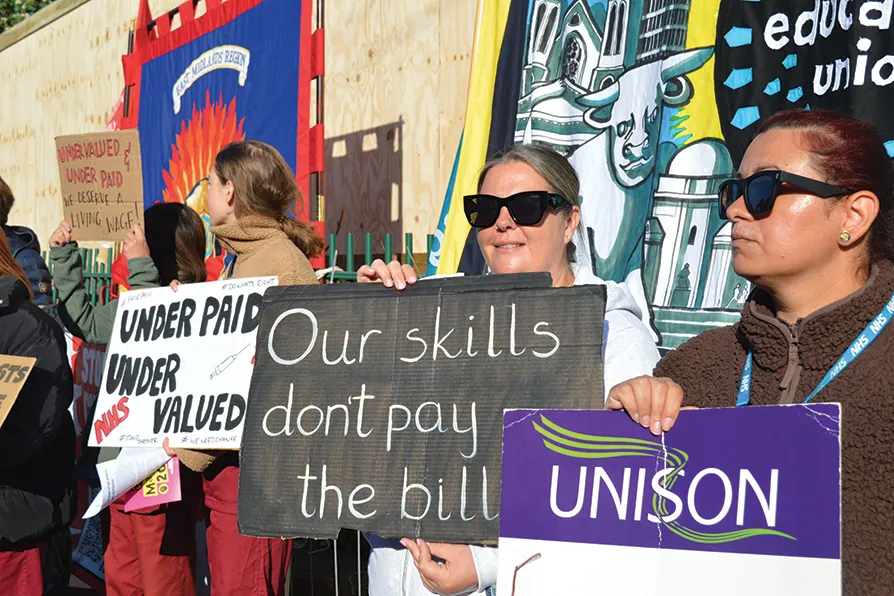
Solidarity is needed for the longest strike in NHS history, argues HENRY FOWLER of Strike Map
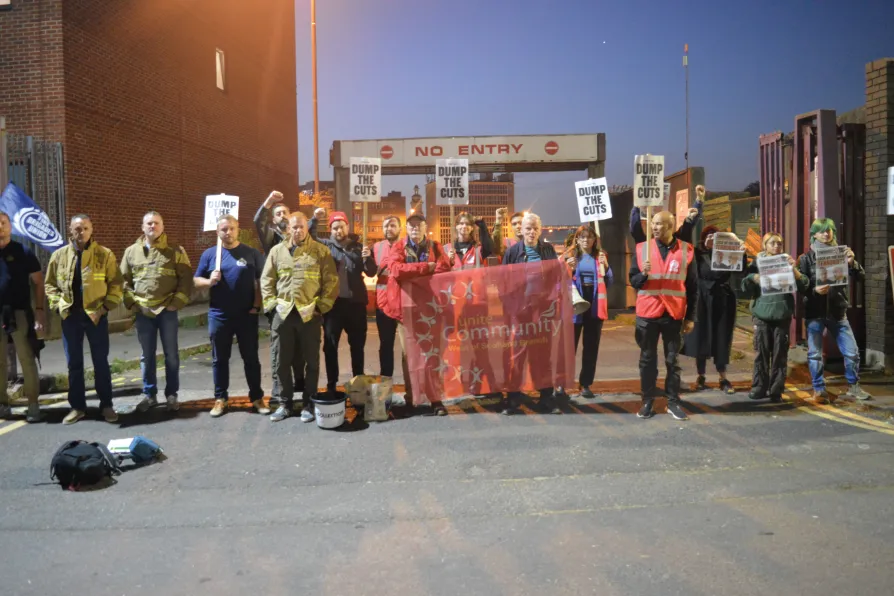
Since 2023, Strike Map has evolved from digital mapping at a national level to organising ‘mega pickets’ — we believe that mass solidarity with localised disputes prepares the ground for future national action, writes HENRY FOWLER
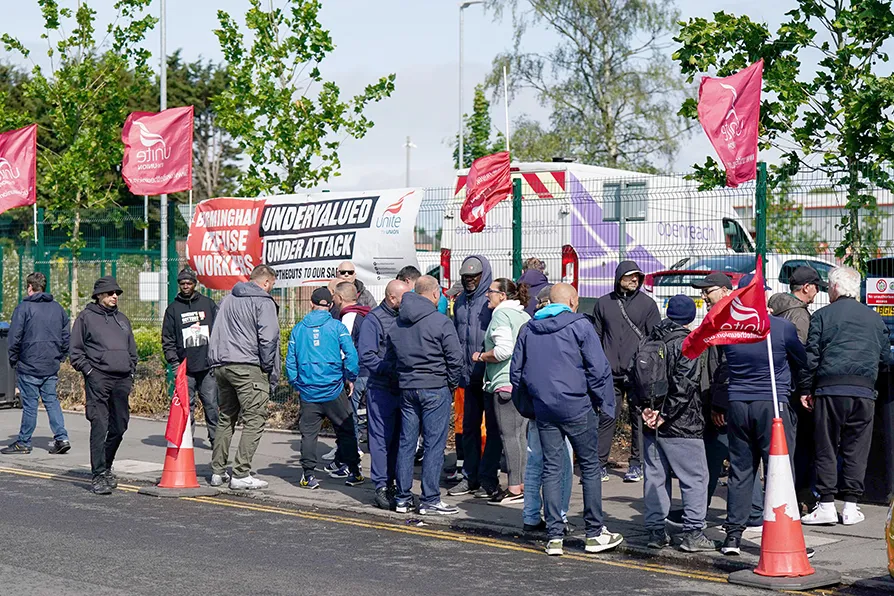
This ‘Big Meet’ our focus is building the next ‘Megapicket,’ say HENRY FOWLER and GAWAIN LITTLE of the General Federation of Trade Unions