All the evidence shows voters want Labour to shift to the left — but initial signs from Andy Burnham are worrying on that front, cautions DIANE ABBOTT


 Latest editorial
The winter of our discontent: the politics of Truss and turmoil
Don't look for the electoral logic in our new PM's ‘neoliberal jihad’ — there isn't any: she is on a suicide mission to do as much irreversible damage to our democracy and our environment as she can, warns ALAN SIMPSON


ANDY McDONALD MP says Labour must show it is capable of delivering real improvements in people’s lives — bold action is required
ANGUS REID and ANDREW JOHNSTONE report on an initiative that we must take this summer
ALLISON FEWTRELL on what Plaid Cymru's historic election victory means for the communities being failed by Wales’s housing crisis, and four things the new government can do right now
France Insoumise MP JEROME LEGAVRE speaks to Christophe Domec on building the Europe-wide peace movement that came together in the International Conference Against War last weekend
At last weekend’s International Conference Against War, LINDA PENTZ GUNTER talks to the Palestinian physician and politician about the struggles ahead to achieve a truly free Palestine





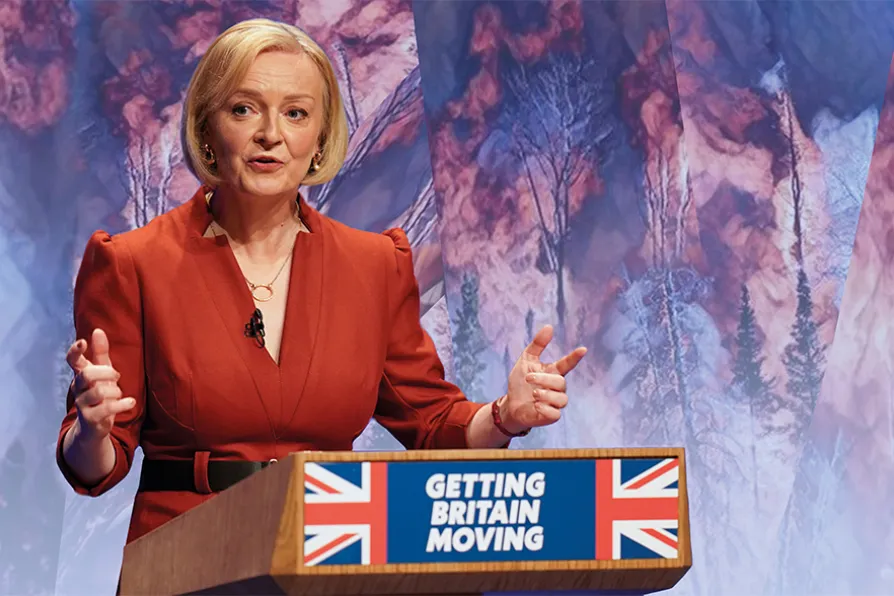
FORGET celebrating the government’s screeching U-turn over plans to cut the top rate of tax on high earners. The Liz Truss administration is already a car crash with few survivors.
Once Tory MPs found that even in their most loyal areas, they couldn’t go down the street without being abused, it was only a matter of time before the tax cut was ditched.
For the moment, attention turns to MPs who have made complete plonkers of themselves, trailing vacuous arguments in praise of the tax-cut from one TV interview to another. Serious politics, however, moves to a bigger stage.

Similar stories
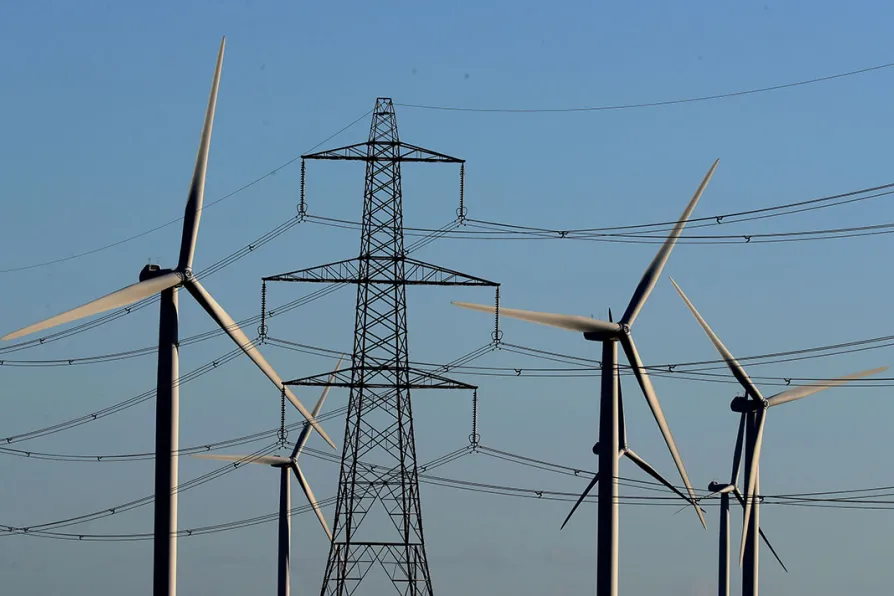

While politicians fixate on defence budgets, the real answers lie in peace-building and economic justice, says ALAN SIMPSON

Campaigners urge government to ignore profiteering oil lobbyists and help those hit hardest by rising energy prices
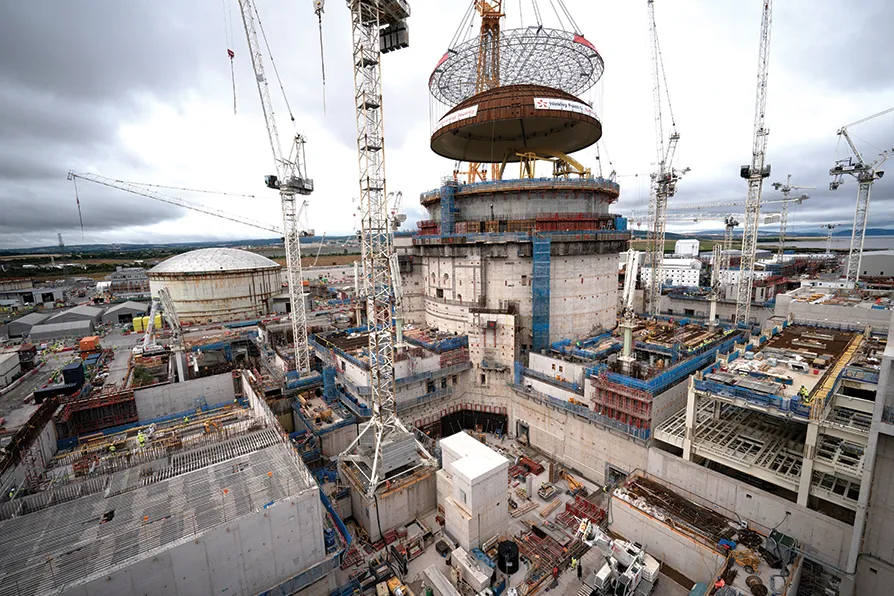
The Communist Party of Britain’s Congress last month debated a resolution on ending opposition to all nuclear power in light of technological advances and the climate crisis. RICHARD HEBBERT explains why