All the evidence shows voters want Labour to shift to the left — but initial signs from Andy Burnham are worrying on that front, cautions DIANE ABBOTT


 Latest editorial
We were pilloried for meeting Sinn Fein — but peace was the result
25 years after the Good Friday Agreement, KEN LIVINGSTONE writes about his unique, long-running role in the peace process that saw him vilified, then eventually vindicated — and salutes a future united Ireland
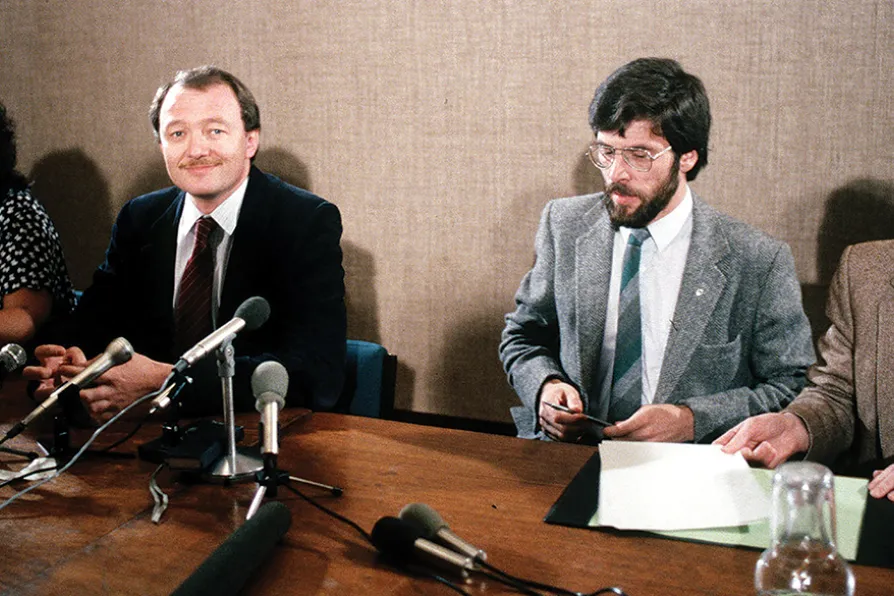 THE RIGHT CALL: Sinn Fein President Gerry Adams with Ken Livingstone and Labour councillors at County Hall, London on July 28 1983
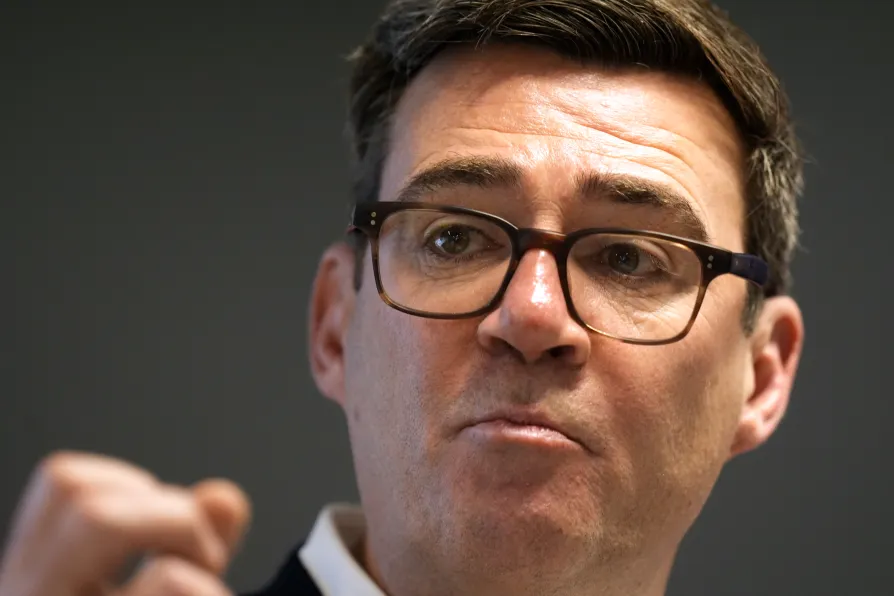
ANDY McDONALD MP says Labour must show it is capable of delivering real improvements in people’s lives — bold action is required
ANGUS REID and ANDREW JOHNSTONE report on an initiative that we must take this summer
ALLISON FEWTRELL on what Plaid Cymru's historic election victory means for the communities being failed by Wales’s housing crisis, and four things the new government can do right now
France Insoumise MP JEROME LEGAVRE speaks to Christophe Domec on building the Europe-wide peace movement that came together in the International Conference Against War last weekend
At last weekend’s International Conference Against War, LINDA PENTZ GUNTER talks to the Palestinian physician and politician about the struggles ahead to achieve a truly free Palestine





BACK in March this year, I met up in Camden Town with Francie Molloy. Today Molloy is the Sinn Fein MP for Mid Ulster, but when I first met him he was a councillor in Dungannon, Northern Ireland. Since the mid-1980s, Molloy has been a regular visitor to London and it was good to have a catch-up after so long.
During the course of our conversation, Molloy suggested that the initial conversations between Sinn Fein and the left of the Labour Party in the early 1980s could be considered the beginning of the Irish peace process.
Now, I will leave it to historians to judge that one. But I can say that I am proud of the role that I did play, alongside others on the British left, to encourage dialogue and peace between our two islands. Twenty-five years since the signing of the Good Friday Agreement it is evident that talking was the right thing to do.
Similar stories
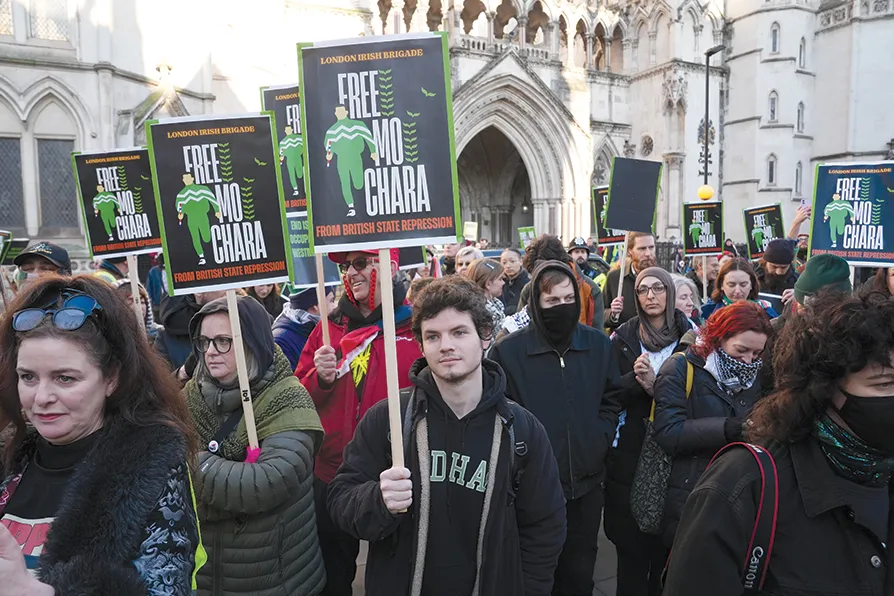
AARON SMITH discusses why the Protestant diaspora are still part of Yeats’s ‘Indomitable Irishry’, and an integral part of any future united Ireland.
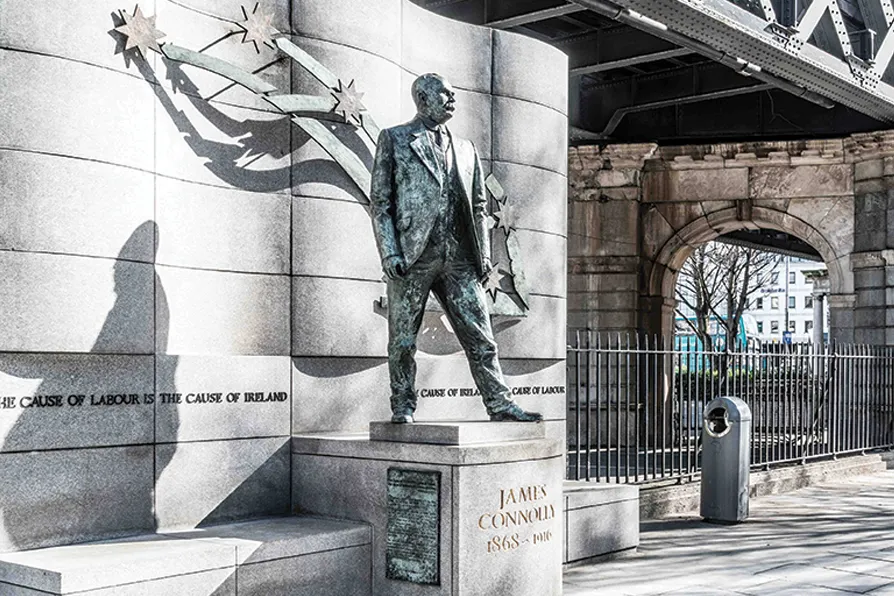
A new group within the NEU is preparing the labour movement for a conversation on Irish unity by arguing that true liberation must be rooted in working-class solidarity and anti-sectarianism, writes ROBERT POOLE
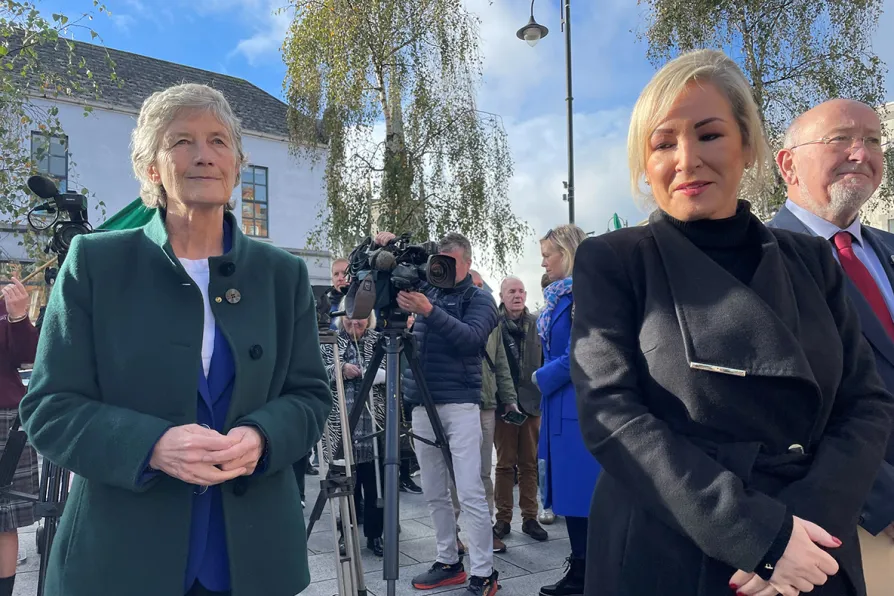
The independent TD’s campaign has put important issues like Irish reunification and military neutrality at the heart of the political conversation, argues SEAN MacBRADAIGH
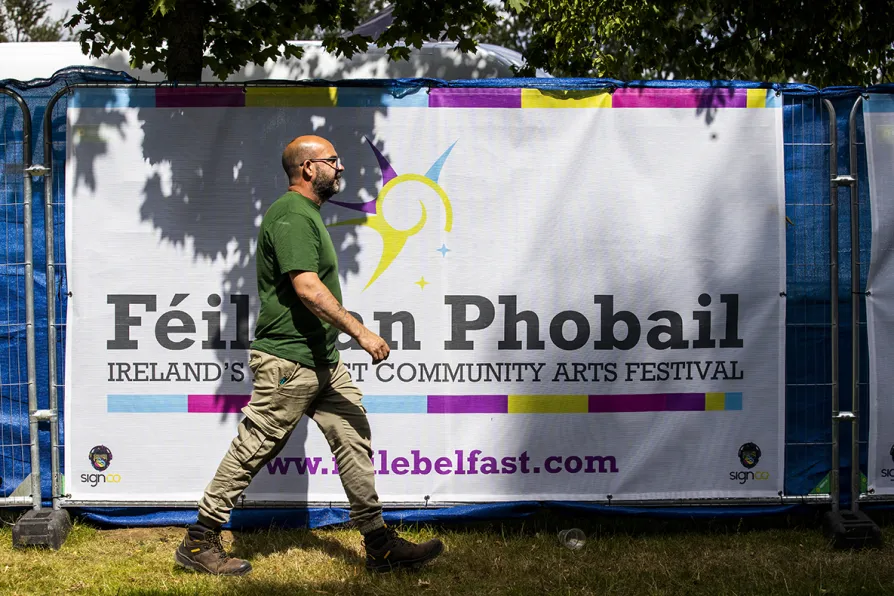
Why not pay a visit to Feile an Phobail, a people’s festival of community arts with roots in the days of internment without trial, and where the spirit of solidarity remains undimmed, says LYNDA WALKER