All the evidence shows voters want Labour to shift to the left — but initial signs from Andy Burnham are worrying on that front, cautions DIANE ABBOTT


 Latest editorial
Ukraine war shifts world order and makes socialism more necessary than ever
Some in the media still claim that the US leading a worldwide fight for democracy — they forget that it is the world's people who will have to lead that fight, writes VIJAY PRASHAD, as he presents six theses on US decline
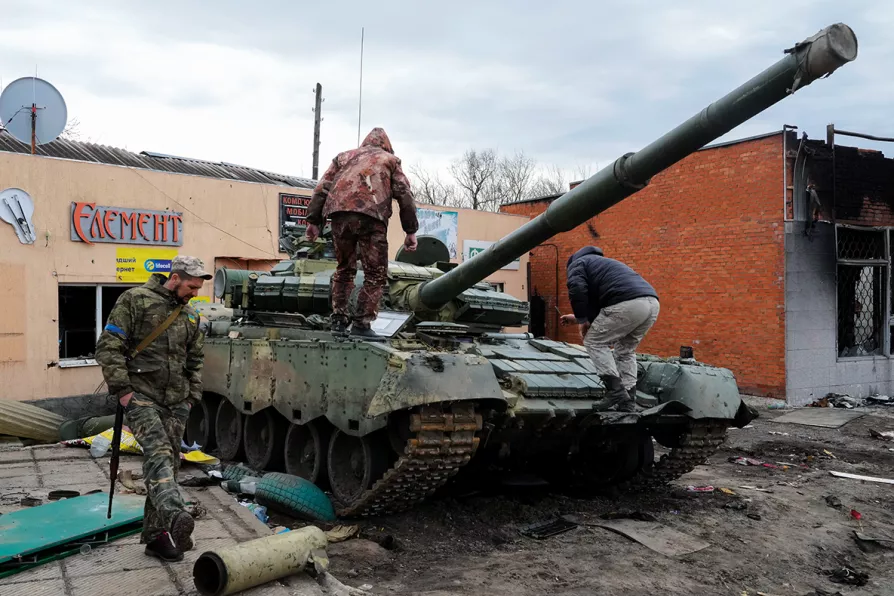 A Russian tank sits abandoned after fighting in the town of Trostsyanets, 250 miles east of Kiev
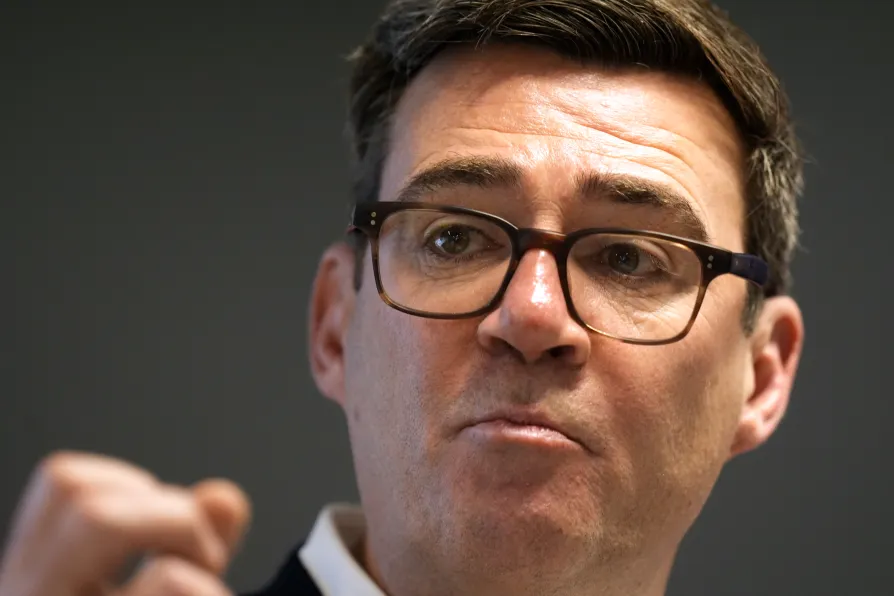
ANDY McDONALD MP says Labour must show it is capable of delivering real improvements in people’s lives — bold action is required
ANGUS REID and ANDREW JOHNSTONE report on an initiative that we must take this summer
ALLISON FEWTRELL on what Plaid Cymru's historic election victory means for the communities being failed by Wales’s housing crisis, and four things the new government can do right now
France Insoumise MP JEROME LEGAVRE speaks to Christophe Domec on building the Europe-wide peace movement that came together in the International Conference Against War last weekend
At last weekend’s International Conference Against War, LINDA PENTZ GUNTER talks to the Palestinian physician and politician about the struggles ahead to achieve a truly free Palestine





THE WAR in Ukraine has focused attention on the shifts taking place in the world order. Russia’s military intervention has been met with sanctions from the West as well as with the transport of arms and mercenaries to Ukraine. These sanctions will have a major impact on the Russian economy as well as the Central Asian states, but they will also negatively impact the European population who will see energy and food prices rise further.
Until now, the West has decided not to intervene with direct military force or to try to establish a no-fly zone. It is recognised, sanely, that such an intervention could escalate into a full-scale war between the US and Russia, the consequences of which are unthinkable given the nuclear weapons capacities of both countries. Short of any other kind of response, the West — as with the Russian intervention in Syria in 2015 — has had to accept Moscow’s actions.
To understand the current global situation, here are six theses about the establishment of the US-shaped world order from 1990 to the current fragility of that order in the face of growing Russian and Chinese power. These theses are drawn from our analysis in January 2021 Twilight: The Erosion of US Control and the Multipolar Future; they are intended for discussion and so feedback on them is very welcome.

Similar stories
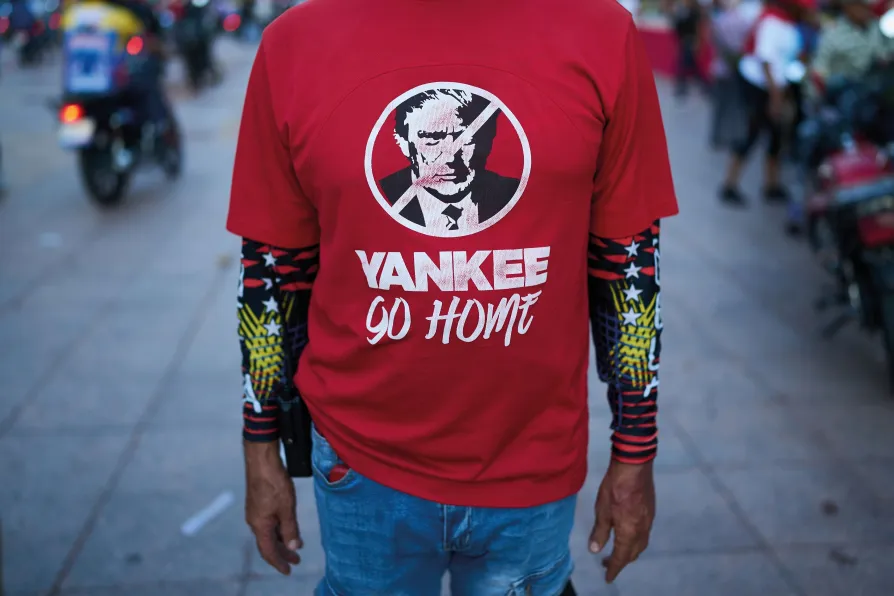
Western nations’ increasingly aggressive stance is not prompted by any increase in security threats against these countries — rather, it is caused by a desire to bring about regime changes against governments that pose a threat to the hegemony of imperialism, writes PRABHAT PATNAIK
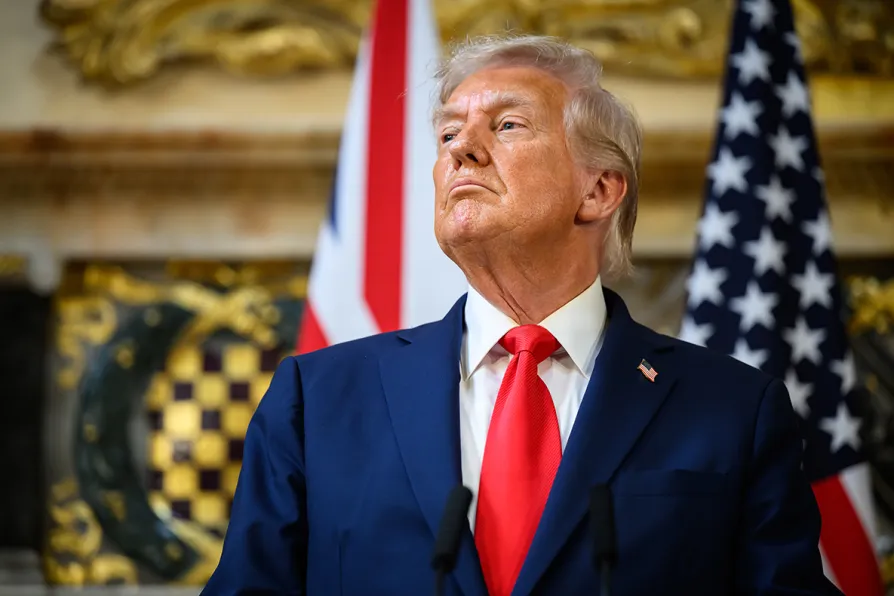
In Washington, the willingness to accept an open war with Russia is growing — at Europe’s expense. While Nato states are being drawn into confrontation, Europe risks becoming the battlefield of a potential world war, warns SEVIM DAGDELEN
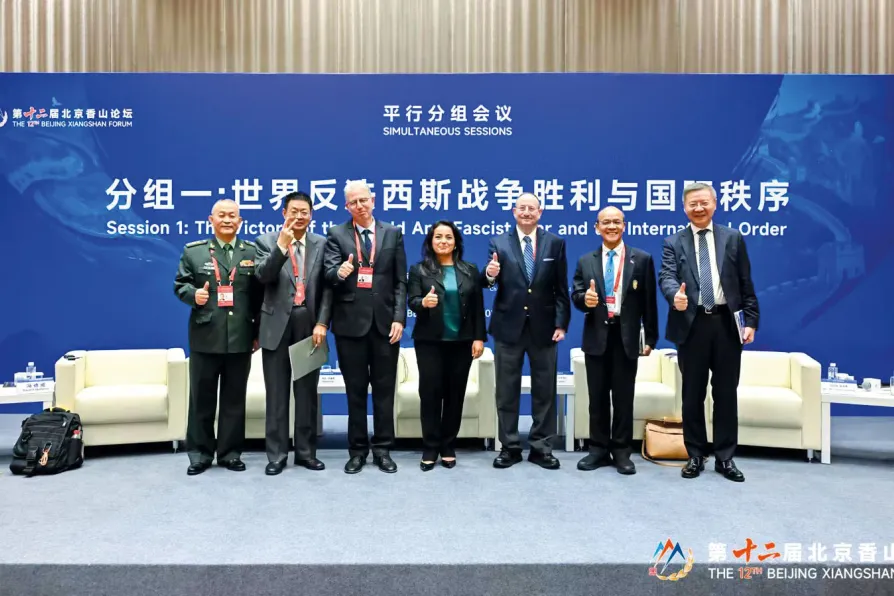
In a speech to the 12th Xiangshan Forum in Beijing, SEVIM DAGDELEN warns of a growing historical revisionism to whitewash Germany and Japan’s role in WWII as part of a return to a cold war strategy from the West — but multipolarity will win out
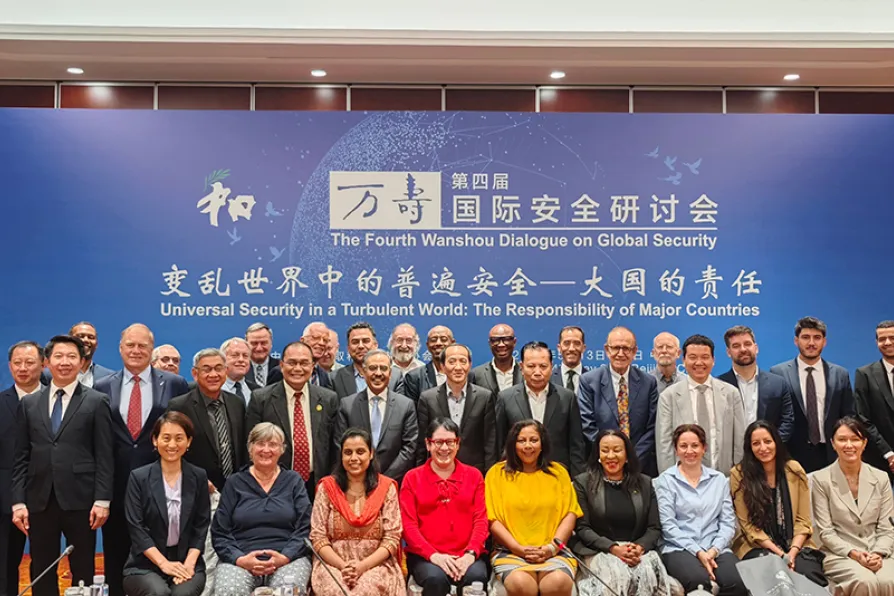
JENNY CLEGG reports from a Chinese peace conference bringing together defence ministers, US think tanks and global South leaders, where speakers warned that the erosion of multilateralism risks regional hotspots exploding into wider war