Newly revealed documents reveal that MI5 taught Brazilian secret police the techniques deployed by the 1964-85 military dictatorship in horrific prisons like Rio de Janeiro’s House of Death. SARA VIVACQUA reports


 Latest editorial

From Tolpuddle to today: the struggle for justice continues
Covid-19 has put food and agriculture workers at the heart of a national and international fight, says DIANA HOLLAND

CHRISTOPHE DOMEC speaks to the France Insoumise politician facing constant persecution from French authorities
It can be hard to discern conspiracy theory from reality and under the Trump regime the two might just be the same thing, writes Linda Pentz Gunter
ALAN SIMPSON says responses to the Golders Green attacks risk deepening divides across our country
Capturing the general strikes history is a vital part of our struggles today, posits HENRY FOWLER
On a tumultuous day in Welsh politics DAVID NICHOLSON looks at the key issues for progressives in Wales to grapple with the rise of the far right





THIS weekend we pay tribute to both the agricultural workers who became the Tolpuddle Martyrs, and today’s agriculture, food production, processing and retail workers, many of whom are Unite members and proud to be recognised as key workers.
The important Thursday applause is, however, seriously undercut by the bitter reality of many working lives.
Low pay, long hours, dangerous work and exploitative employers still dominate working Britain at this time of global pandemic.

Similar stories
The biggest strike in global history is a template for our future. The silence tells you all you need to know, writes CLAUDIA WEBBE
ANSELM ELDERGILL examines the legal case behind this weekend’s Tolpuddle Martyrs’ Festival and the lessons for today
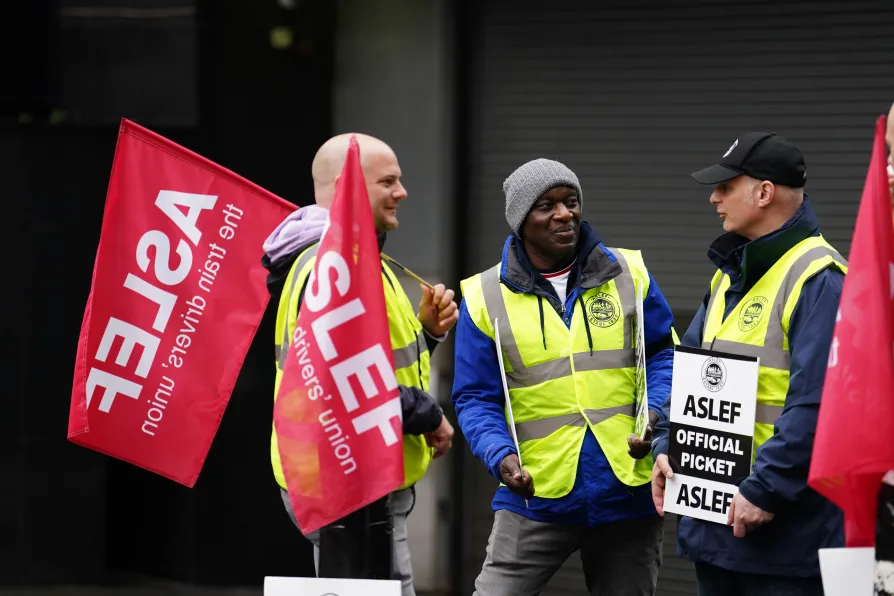
As the labour movement meets to remember the Tolpuddle Martyrs, MICK WHELAN, general secretary of train drivers’ union Aslef, says it’s an appropriate moment to remind the Labour government to listen to the trade unions a little more

It is only trade union power at work that will materially improve the lot of working people as a class but without sector-wide collective bargaining and a right to take sympathetic strike action, we are hamstrung in the fight to tilt back the balance of power, argues ADRIAN WEIR