All the evidence shows voters want Labour to shift to the left — but initial signs from Andy Burnham are worrying on that front, cautions DIANE ABBOTT


 Latest editorial
The popular uprising of the Iranian people goes on
The regime has already resorted to brutal, deadly violence to suppress protests, and is now indicating it will go even further – international solidarity is vital, writes PAYAM SOLHTALAB
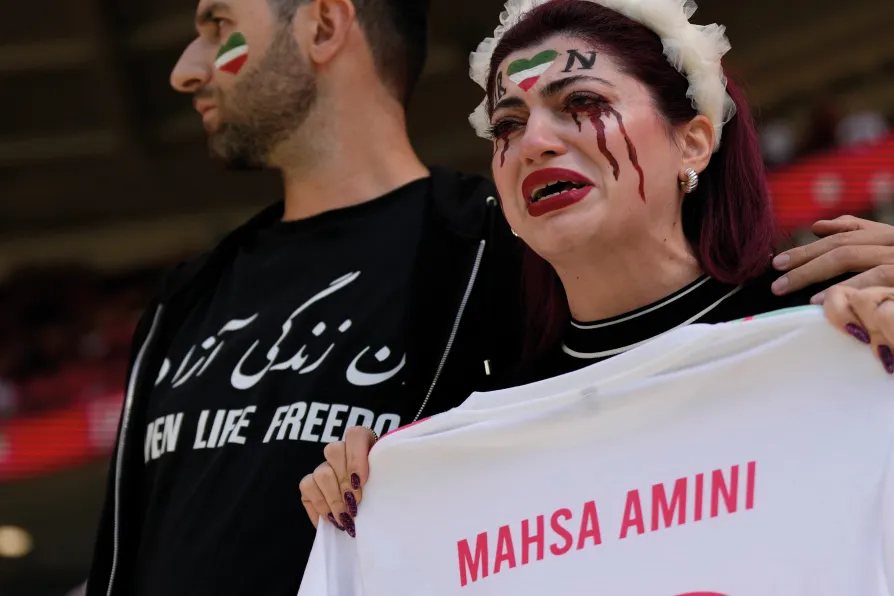 An Iranian holds up the name of the young woman who died at the hands of the 'morality police' while a male protester displays the ‘women, life, freedom’ slogan of the uprising, before the start of the World Cup match with Wales in Qatar, November 25.
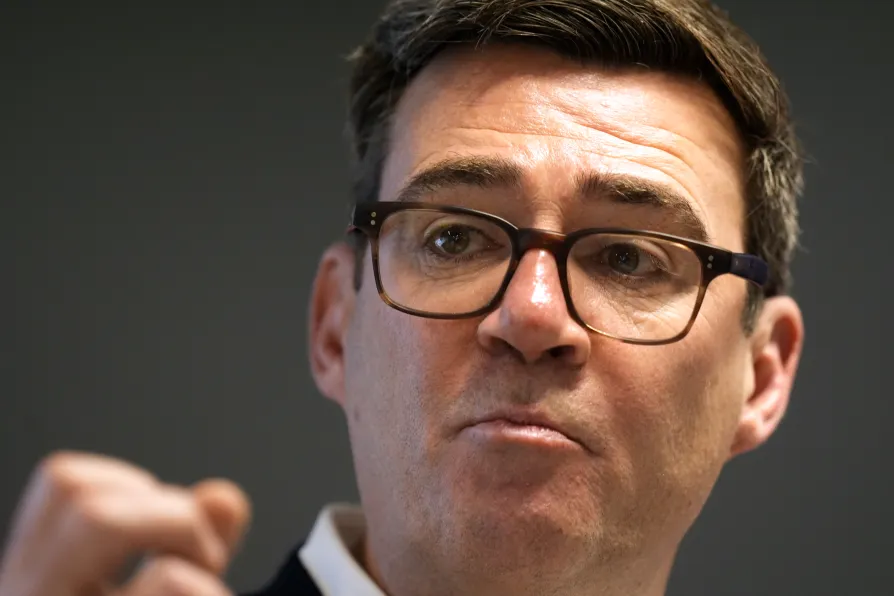
ANDY McDONALD MP says Labour must show it is capable of delivering real improvements in people’s lives — bold action is required
ANGUS REID and ANDREW JOHNSTONE report on an initiative that we must take this summer
ALLISON FEWTRELL on what Plaid Cymru's historic election victory means for the communities being failed by Wales’s housing crisis, and four things the new government can do right now
France Insoumise MP JEROME LEGAVRE speaks to Christophe Domec on building the Europe-wide peace movement that came together in the International Conference Against War last weekend
At last weekend’s International Conference Against War, LINDA PENTZ GUNTER talks to the Palestinian physician and politician about the struggles ahead to achieve a truly free Palestine





OVER recent weeks, Iran has been the scene of widespread protests following the death of 22-year-old Mahsa Amini in the custody of the so-called “morality police” in Tehran.
The country has seen popular protests in all of its 31 provinces, with protesters demanding basic human and democratic rights, as well as social justice. Protests are now into their ninth week, despite the dictatorship’s recourse to brutal violence.
The Iranian regime has been blindsided by the uprising. Despite its heavy-handed tactics and rhetoric casting all protesters as agents of the US, Britain and their regional allies, particularly Israel and Saudi Arabia, the protests rage on.

Similar stories
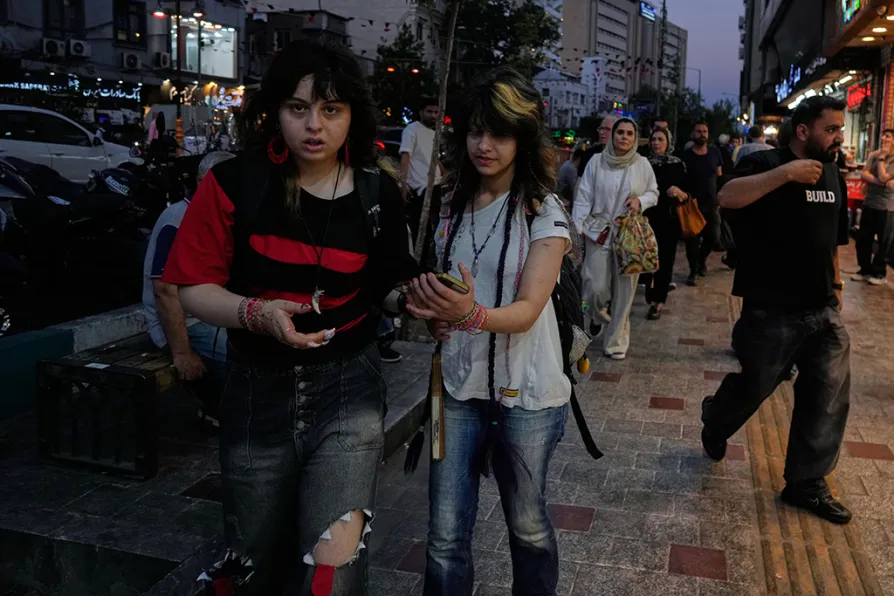
The ceasefire may have halted the fighting for now, but years of economic warfare and recent military attacks have left millions of Iranians facing hardship and uncertainty, says Codir’s RUBEN BRETT
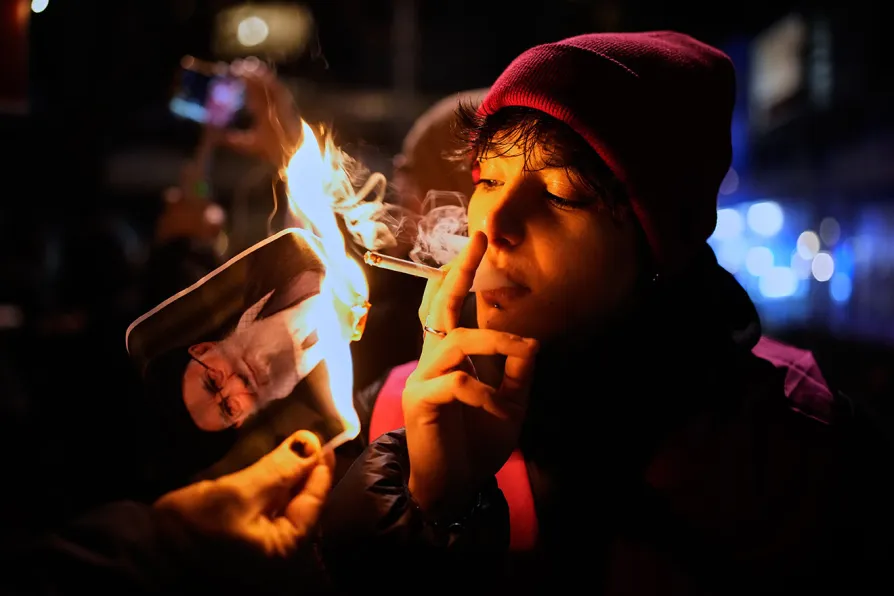
MOHAMMAD OMIDVAR, a senior figure in the Tudeh Party of Iran, tells the Morning Star that mass protests are rooted in poverty, corruption and neoliberal rule and warns against monarchist revival and US-engineered regime change
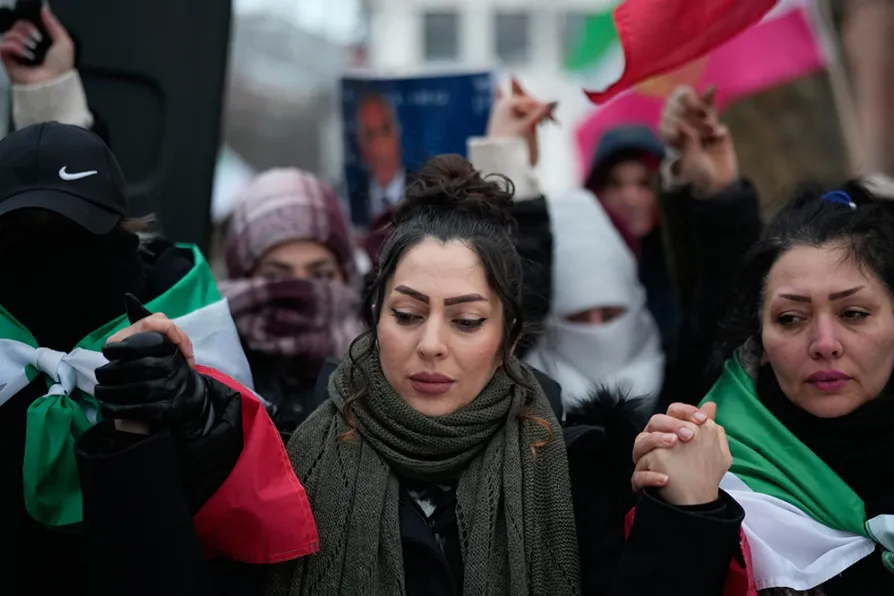
The Committee for the Defence of Iranian People’s Rights (Codir) welcomes demonstrations across Iran, which have put pressure upon the theocratic dictatorship, but warns against intervention by the United States to force Iran in a particular direction
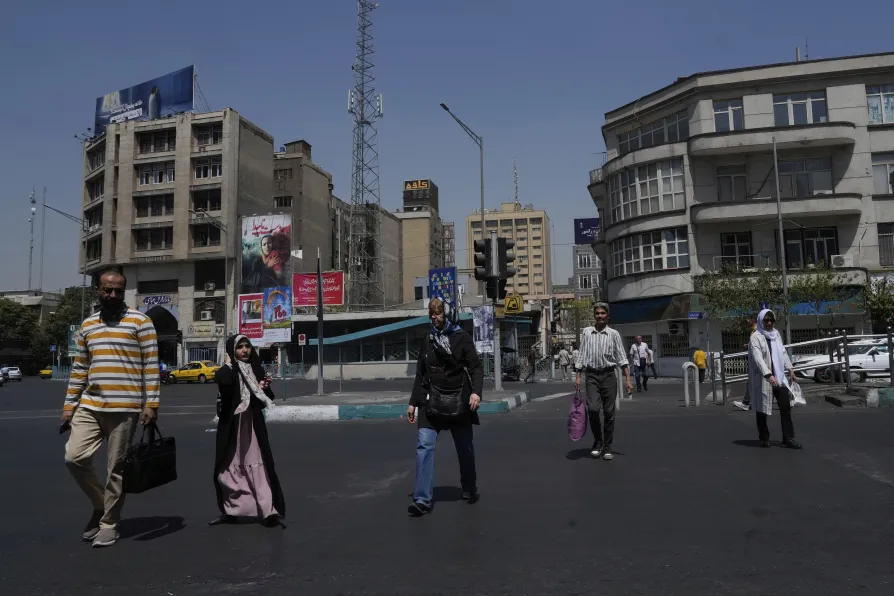
Payam Solhtalab talks to GAWAIN LITTLE, general secretary of Codir, about the connection between the struggle for peace, against banking and economic sanctions, and the threat of a further military attack by the US/Israel axis on Iran