All the evidence shows voters want Labour to shift to the left — but initial signs from Andy Burnham are worrying on that front, cautions DIANE ABBOTT


 Latest editorial
The strike that changed the nature of Labour politics
JOHN FOSTER looks at how the 1919 general strike which began in the Clydeside shipyards ignited a Britain-wide struggle
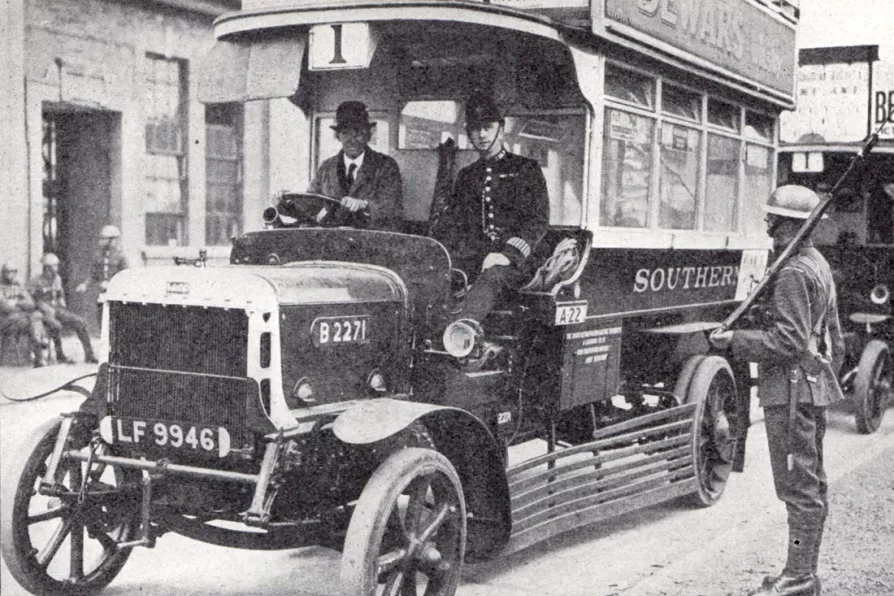 Troops on guard at a bus station; each bus had a police escort during the strike

ANDY McDONALD MP says Labour must show it is capable of delivering real improvements in people’s lives — bold action is required
ANGUS REID and ANDREW JOHNSTONE report on an initiative that we must take this summer
ALLISON FEWTRELL on what Plaid Cymru's historic election victory means for the communities being failed by Wales’s housing crisis, and four things the new government can do right now
France Insoumise MP JEROME LEGAVRE speaks to Christophe Domec on building the Europe-wide peace movement that came together in the International Conference Against War last weekend
At last weekend’s International Conference Against War, LINDA PENTZ GUNTER talks to the Palestinian physician and politician about the struggles ahead to achieve a truly free Palestine





ONE HUNDRED years ago, on January 27 1919, workers in Scotland struck work to secure a 40-hour week. The strike was called by the Scottish Trade Union Congress, Glasgow Trades and Labour Council — then one of the biggest in Britain with 200 delegates — and the Clyde Workers Committee representing the shop stewards’ movement.
It was a political strike. It demanded action by the government to limit hours of work — and thereby to create more jobs and halt the return of mass unemployment. Millions of men were being discharged from the army and tens of thousands of women from the munitions factories.
The longer-term objective was to protect the bargaining power which trade unionists had built up during the full employment of the war years and particularly the power of the shop stewards’ movement.

Similar stories
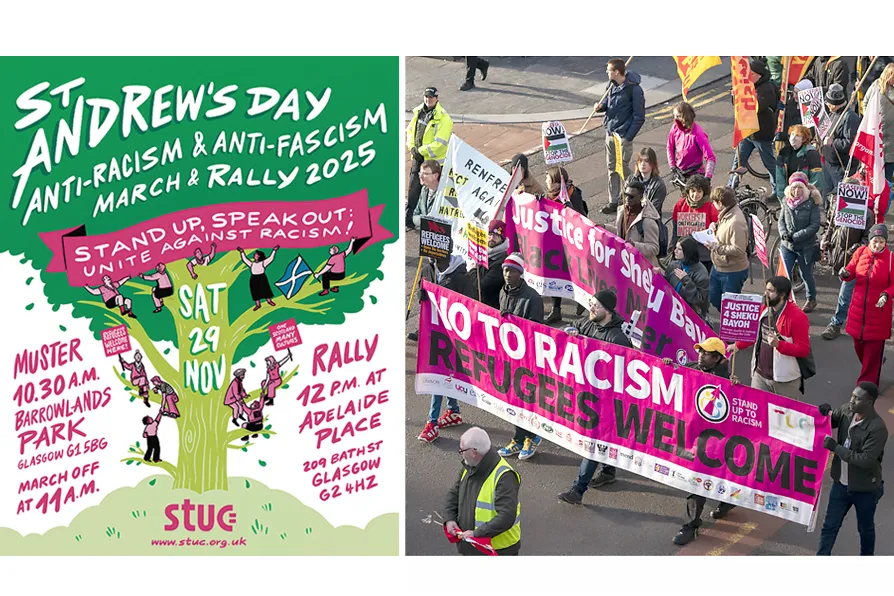
ROZ FOYER explains the significance and tradition of today’s St Andrew’s Day March and Rally
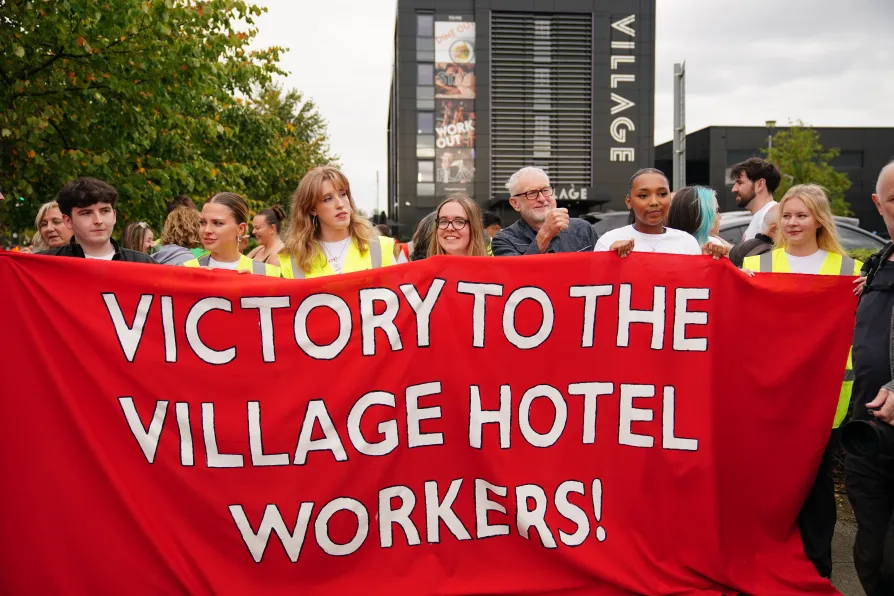
NICK TROY lauds the young staff at a hotel chain and cinema giant who are ready to take on the bosses for their rights

Corbyn and Sultana’s ‘Your Party’ represents the first attempt at mass socialist organisation since the CPGB’s formation in 1921, argues DYLAN MURPHY
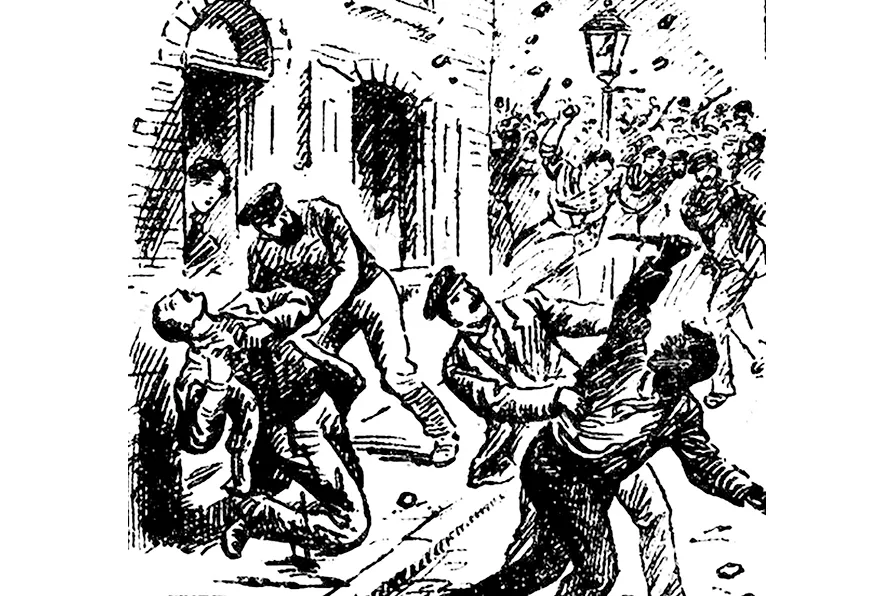
White racist rioting has many an infamous precedent in Britain, writes DAVID HORSLEY